
 By Word Whimsy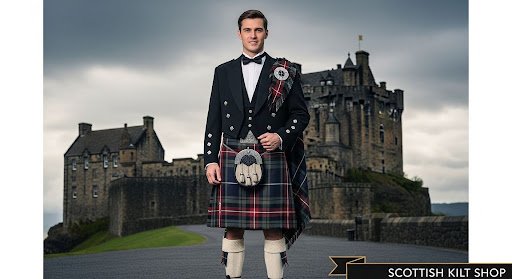
The very fabric of Scotland is woven with tales of ancient clans, fierce battles, and unwavering pride. Central to this rich tapestry are its tartans, each a vibrant chronicle of identity and heritage. Among the thousands of patterns that stir the Scottish soul, two stand out for their distinct histories, visual appeal, and enduring popularity: the enigmatic Black Watch plaid tartan and the proud Mackenzie clan plaid. While both are instantly recognisable symbols of the Highlands, their journeys from the battlefields and ancestral lands to modern-day wardrobes reveal fascinating differences and even an unexpected connection.
Here at Scottish Kilt Shop, where we proudly offer an unrivalled selection of over 1400 tartans for every conceivable piece of Scottish clothing, we delve deep into the essence of these two magnificent designs, exploring their unique origins, visual characteristics, and the profound stories they tell.
The Black Watch Plaid Tartan: A Universal Emblem of Discipline and Heritage
The black watch plaid tartan is arguably one of the most widely recognised tartans globally, transcending clan affiliations to become a universal symbol of Scottish heritage. Its origins are firmly rooted in military history, earning it the moniker “Government Tartan” or “Government Sett”.
In the early 18th century, following the tumultuous Jacobite risings, the British government sought to restore order in the Highlands. To achieve this, independent companies of local Highlanders were raised, tasked with patrolling the rugged terrain and enforcing authority. These vigilant forces, known colloquially as The Black Watch – a name believed to derive from their dark uniforms and their duty to “watch” over the land – adopted a distinctive tartan as their informal uniform. By 1739, when these companies were officially formed into the 42nd Royal Highland Regiment, the Black Watch, this tartan became their official regimental pattern.
The design of the Black Watch plaid tartan is characterised by its subdued yet striking palette of dark navy, deep forest green, and black over-checks. This deliberate choice of dark hues was not merely aesthetic; it served a practical purpose, offering a rudimentary form of camouflage amidst the dense forests and misty hills of the Scottish Highlands. The pattern speaks volumes of the discipline, unity, and resilience of the soldiers who wore it.
Over centuries, the Black Watch tartan shed its purely military confines to become a cherished emblem of broader Scottish identity. It is considered an “open tartan,” meaning anyone, regardless of their ancestral clan ties, is welcome to wear it. This universality has cemented its place in countless wardrobes, from formal attire at weddings and Highland games to everyday wear and even modern fashion collections. Its understated elegance and rich historical resonance make it a perennially popular choice for those wishing to honour Scottish heritage with pride and sophistication.
The Mackenzie Clan Plaid: A Clan’s Enduring Pride, Forged in History
In contrast to the universal appeal of the Black Watch, the mackenzie clan plaid is a beacon of specific clan identity, representing the proud and influential Clan Mackenzie. Hailing from the ancient lands of Kintail and Ross-shire, the Mackenzies were a formidable force in Scottish history, known for their strategic alliances and military prowess. Their motto, “Luceo Non Uro” (“I shine, not burn”), encapsulates their enduring spirit and resilience.
The Mackenzie tartan as we recognise it today is also deeply intertwined with military history, yet with a fascinating twist that connects it to the Black Watch. The current Mackenzie tartan originated as a regimental tartan for the Mackenzie Lord MacLeod’s 73rd Highland Regiment, and later the Seaforth Highlanders, which was raised by the Earl of Seaforth in 1778. Crucially, historical records indicate that this regimental pattern was “taken from an early version of the Black Watch (developed about 1729) and had Black, White and Red lines added.” This revelation provides a remarkable evolutionary link between these two iconic tartans, showcasing how a foundational military sett could be adapted to embody a powerful clan’s military identity.
Visually, the Mackenzie clan plaid features dashing blues and greens as its primary background, boldly accentuated by distinctive flashes of red and white over-checks. While sharing the dark blue and green base with the Black Watch, the addition of the vibrant red and crisp white lines gives the Mackenzie tartan a more pronounced and striking appearance, ensuring it stands out. These colours are imbued with deep symbolism for the clan: green often represents the land and growth, blue the seas and skies of their Highland territories, black signifies strength and resilience, while red speaks of the bold fighters and courage of the clan, and white of purity.
Wearing the Mackenzie tartan is a profound declaration of allegiance to Clan Mackenzie, a connection to a proud lineage, and a celebration of a rich family history. While primarily associated with clan members and septs, its striking beauty and historical significance mean that many admirers of Scottish heritage choose to wear it, appreciating its narrative and aesthetic appeal.
A Tale of Two Tartans: Comparison, Connection, and Character
Comparing the Black Watch and Mackenzie tartans allows us to appreciate the multifaceted nature of Scottish textile heritage.
Origins: The Black Watch emerged directly from government-sanctioned military necessity, a uniform for peacekeepers in the Highlands. The Mackenzie tartan, while deeply clan-identified, evolved from a military context as well, specifically by adapting an earlier version of the Black Watch for a clan-raised regiment. This evolutionary link is a captivating aspect, demonstrating how a powerful general-purpose tartan could be personalised for a specific lineage’s military unit.
Colour Palette and Visual Impact: Both tartans share a foundation of dark green and blue, evoking the natural grandeur of Scotland. However, the Black Watch is renowned for its subtlety and harmonious blend of these deep hues with black, making it universally adaptable and understated. The Mackenzie tartan, by incorporating vibrant red and crisp white lines, achieves a more distinctive and assertive presence. This difference in the accent colours fundamentally alters their visual character and how they are perceived.
Symbolism and Affiliation: The Black Watch symbolises universal Scottish virtues: discipline, resilience, and a shared heritage, open to all who admire Scotland. The Mackenzie tartan, while embodying these broader Scottish traits, layers upon them the specific pride, loyalty, and historical narrative of Clan Mackenzie, a direct link to a formidable ancestral line.
Versatility and Modern Application: Due to its “open” nature and subdued colours, the Black Watch is incredibly versatile, gracing everything from formal Highland dress to contemporary fashion, business attire, and even police and pipe band uniforms worldwide. The Mackenzie tartan, while equally appropriate for formal Highland wear and traditional events for clan members, also finds its place in modern casual and utility wear for those connected to or simply admiring the Mackenzie legacy. Its more pronounced colour scheme can make it a bolder statement piece.
Scottish Kilt Shop: Your Gateway to Heritage Woven Anew
The stories woven into the Black Watch and Mackenzie tartans are but two examples of the profound history and artistry encapsulated within Scottish plaids. At Scottish Kilt Shop, we understand that wearing a tartan is more than just donning a piece of fabric; it’s an act of connection, a declaration of identity, and a celebration of a rich cultural legacy.
We take immense pride in offering an unparalleled collection of over 1400 tartans, ensuring that whether your heart beats for the universal history of the black watch plaid tartan or resonates with the ancestral call of the mackenzie clan plaid, you will find your perfect match. Our commitment to authenticity and quality means that every garment is crafted with meticulous care, honouring centuries of tradition while embracing modern standards of comfort and durability.
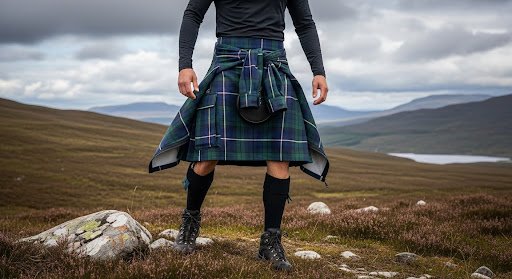
Furthermore, we want to make it unequivocally clear: at Scottish Kilt Shop, you are not limited in your choice of garment. Do you desire a traditional 8-yard kilt in the understated elegance of Black Watch for a formal event? Perhaps a contemporary utility kilt in the striking Mackenzie sett for everyday wear? Or even bespoke tartan trousers, vests, jackets, or accessories? Whatever your preference, we can custom-make *any* piece of Scottish clothing in *both* the Black Watch and Mackenzie tartans, as well as in all other 1400+ tartans we proudly carry. Our aim is to provide you with the freedom to express your unique connection to Scotland through high-quality, custom-made attire.
Conclusion: Enduring Legacies in Every Thread
The Black Watch plaid tartan and the Mackenzie clan plaid, while distinct in their primary affiliations, both share a common thread: they are enduring symbols of Scottish identity and history. One speaks to the collective military heritage and universal appeal, while the other proudly proclaims the legacy of a mighty clan, albeit with an intriguing genealogical link to its more generalised counterpart.
Whether you are drawn to the stoic, adaptable nature of the Black Watch, or the proud, distinctive statement of the Mackenzie, choosing your tartan is a personal journey. At Scottish Kilt Shop, we are honoured to be your guide and outfitter, providing you with authentic, high-quality Scottish clothing crafted in the tartan that resonates most deeply with you. Explore our collections today and wear your heritage with unparalleled pride.