
 By Word Whimsy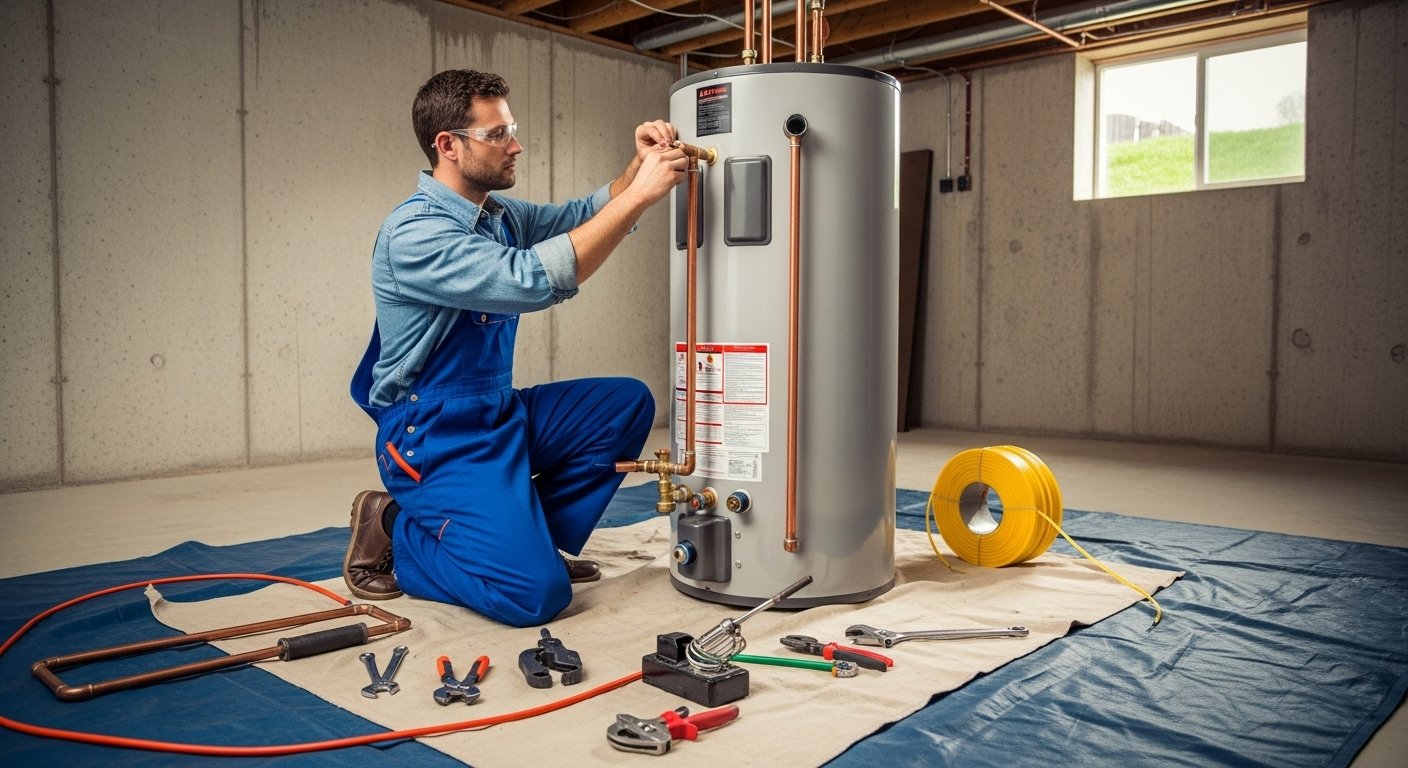
Hot water is an essential utility in modern living, serving critical functions in daily routines such as bathing, cooking, cleaning, and maintaining hygiene. The proper functioning of a water heating system directly affects comfort, convenience, and safety, whether in residential or commercial settings. Installing a new water heater is a process that requires careful planning, technical expertise, and strict adherence to safety and building standards. Proper installation ensures that the water heater operates efficiently, maintains optimal performance over its lifespan, and reduces the likelihood of costly repairs, energy waste, and potential hazards. This guide explores everything property owners need to know about water heater installation, including system types, pre-installation considerations, step-by-step installation procedures, post-installation maintenance practices, and the benefits of professional service, providing a comprehensive understanding of how to achieve reliable, long-lasting hot water.
Understanding the Different Types of Water Heater Systems
Water heaters are available in a variety of designs, capacities, and technologies, each engineered to meet specific household or commercial water usage requirements. The most common types include traditional storage tank water heaters, tankless on-demand systems, and hybrid models that combine features from both. Traditional tank water heaters store a predetermined volume of water and maintain its temperature continuously using either electric heating elements or gas burners. These systems often include insulation to minimize heat loss and ensure a consistent supply of hot water. Despite their widespread use and ability to supply large volumes of water, tank water heaters require regular maintenance to prevent sediment buildup, corrosion, and decreased efficiency, which can compromise performance over time. Tankless water heaters, on the other hand, operate by heating water only when it is required, eliminating the need for storage tanks and providing an essentially unlimited supply of hot water. These systems are compact, energy-efficient, and often more environmentally friendly, but their installation is more technically demanding because it must account for precise water flow rates, electrical load capacities, or gas line specifications. Hybrid water heaters incorporate both tank storage and on-demand heating technologies, delivering the energy efficiency benefits of modern systems while ensuring that a reserve of hot water is always available for periods of peak demand. Regardless of the system selected, proper water heater installation is essential to ensure that each unit functions safely, efficiently, and reliably over an extended period.
Key Considerations Before Installing a Water Heater
Before beginning the process of water heater installation, several critical factors must be evaluated to ensure that the system meets the property’s specific requirements and delivers long-term performance. One of the most important considerations is assessing water demand to determine the appropriate capacity and type of unit. A household or commercial facility with high water usage may require a larger storage tank, multiple units, or a combination of tank and tankless systems to ensure consistent availability. Another essential consideration is the selection of the energy source, as water heaters can operate using electricity, natural gas, propane, or solar power. The choice of energy source depends on factors such as cost efficiency, availability, environmental impact, and long-term sustainability. The physical location of the water heater is also critical, as the unit must be installed in a space that allows proper ventilation, easy access for routine maintenance, and compliance with local building codes. Compact units may be suitable for small or confined spaces, whereas larger systems require adequate clearance to accommodate plumbing connections and servicing requirements. Evaluating system efficiency is another key step, as modern water heaters vary in energy consumption and performance. High-efficiency units may have higher initial costs but offer substantial savings in utility bills over the life of the system. Finally, safety and compliance considerations must not be overlooked, as adherence to manufacturer guidelines and local building codes is essential for preventing hazards such as leaks, overpressure, electrical faults, or gas-related issues. Professional water heater installation ensures that all these factors are carefully considered and that the system is set up to function safely and effectively from the outset.
The Step-by-Step Process of Water Heater Installation
Water heater installation is a multi-step process that involves careful coordination of plumbing, electrical work, and, in certain cases, gas line connections. Professional technicians follow a systematic approach to ensure proper setup, reliability, and compliance with safety standards. The first step in the installation process is site preparation, which includes removing any old units, inspecting water and gas lines, leveling the installation surface, and confirming that the chosen location meets manufacturer and code requirements. Following this, cold and hot water supply lines are connected to the new unit, with the addition of essential components such as shut-off valves, pressure relief valves, and expansion tanks to protect the system from leaks or overpressure conditions. Once the plumbing connections are completed, the electrical or gas connections are established, with strict adherence to code requirements to prevent hazards such as electrical shocks, fires, or gas leaks. After the system is physically installed, calibration is performed to ensure that heating elements, thermostats, and, in the case of gas units, venting systems are correctly configured to maintain optimal temperature and flow. The final stage of installation involves rigorous testing and inspection, including checking for leaks, verifying that the water heats consistently, and confirming that all safety features operate correctly. Professional water heater installation performed according to these standards minimizes the likelihood of operational failures, ensures efficient performance, and provides peace of mind regarding safety and long-term reliability.
Common Installation Mistakes and How to Avoid Them
Errors during water heater installation can lead to serious operational, safety, and efficiency issues. One of the most frequent mistakes is incorrect sizing, where the installed unit either cannot meet the hot water demand or wastes energy by operating unnecessarily large volumes. Another common error involves poor ventilation in gas-powered units, which can lead to the accumulation of harmful gases such as carbon monoxide, posing significant health risks. Faulty plumbing connections are another source of trouble, as improperly fitted pipes or valves can result in leaks, corrosion, and decreased water pressure, all of which reduce the unit’s effectiveness and longevity. Ignoring local building codes and manufacturer guidelines is yet another critical mistake that can void warranties, create legal or insurance complications, and compromise safety. By engaging qualified professionals for water heater installation, property owners avoid these risks, ensuring that the system is correctly sized, safely connected, and fully compliant with all relevant regulations.
Post-Installation Maintenance Practices for Longevity and Efficiency
Water heater installation is only the first step in achieving consistent, reliable hot water. Regular maintenance is essential to extend the life of the system, maintain energy efficiency, and prevent costly breakdowns. One of the most important maintenance tasks is periodic flushing of the tank to remove sediment buildup, which can hinder heat transfer, reduce efficiency, and stress the heating elements. Inspecting and testing pressure relief valves is equally important, as these safety devices prevent dangerous overpressure conditions and potential tank failures. Monitoring the condition of anode rods, which attract corrosive minerals and protect the tank lining, is another key maintenance step, and replacement should occur when rods show signs of deterioration. Regular temperature adjustments ensure that the water heater operates at an optimal temperature, reducing energy waste and minimizing scalding risk. Additionally, routine inspections by professional technicians allow early detection of wear, leaks, or other issues before they escalate into significant problems. Proper post-installation maintenance complements professional installation, maximizing system efficiency, performance, and longevity.
Advantages of Choosing Professional Water Heater Installation
Engaging a professional for water heater installation provides significant benefits in terms of safety, efficiency, and long-term reliability. Professionals bring expertise in evaluating water demand, selecting appropriate systems, and implementing installation according to manufacturer specifications and local building codes. Skilled technicians reduce the risk of common installation errors, saving property owners time and money by avoiding premature system failure or costly repairs. Compliance with safety regulations is another critical advantage, as professionals ensure proper plumbing, electrical, and gas connections, protecting against hazards and potential legal complications. Many manufacturers also require professional installation to validate the product warranty, offering further assurance that the investment in the water heater is protected. By opting for professional water heater installation, property owners gain reliable performance, energy efficiency, and peace of mind, making the process both safe and cost-effective.
Considerations When Upgrading or Replacing a Water Heater
When replacing an aging or inefficient water heater, property owners must consider several factors to ensure that the new system delivers optimal performance and value. Energy efficiency is a primary concern, as modern water heaters, including tankless and hybrid units, reduce energy consumption and lower utility costs over time. System capacity must be carefully evaluated to meet both current and projected water demand, ensuring consistent hot water supply without overloading the system. Technological features such as smart thermostats, advanced heating mechanisms, or energy-saving modes can enhance convenience and operational efficiency. The complexity of installation must also be taken into account, as certain modern systems require specialized plumbing, electrical, or gas work, which should be evaluated and executed by professional technicians. Understanding ongoing maintenance requirements allows property owners to plan for long-term care and avoid unexpected system failures. Careful evaluation of these factors ensures that a new water heater installation addresses both immediate needs and long-term performance goals.
Conclusion:
Proper water heater installation is a critical component in achieving reliable, safe, and efficient hot water for any property. A professionally installed system enhances comfort, reduces energy consumption, prevents safety hazards, and maximizes the longevity of the unit. From evaluating water demand to selecting the appropriate system and performing skilled installation, each step contributes to consistent performance and peace of mind. Complementary post-installation maintenance, including tank flushing, valve testing, temperature monitoring, and routine inspections, ensures the water heater operates at peak efficiency for years. Investing in professional water heater installation provides a foundation for long-term reliability, energy savings, and uninterrupted access to hot water, making it an essential decision for any property owner seeking both safety and performance.