
 By Word Whimsy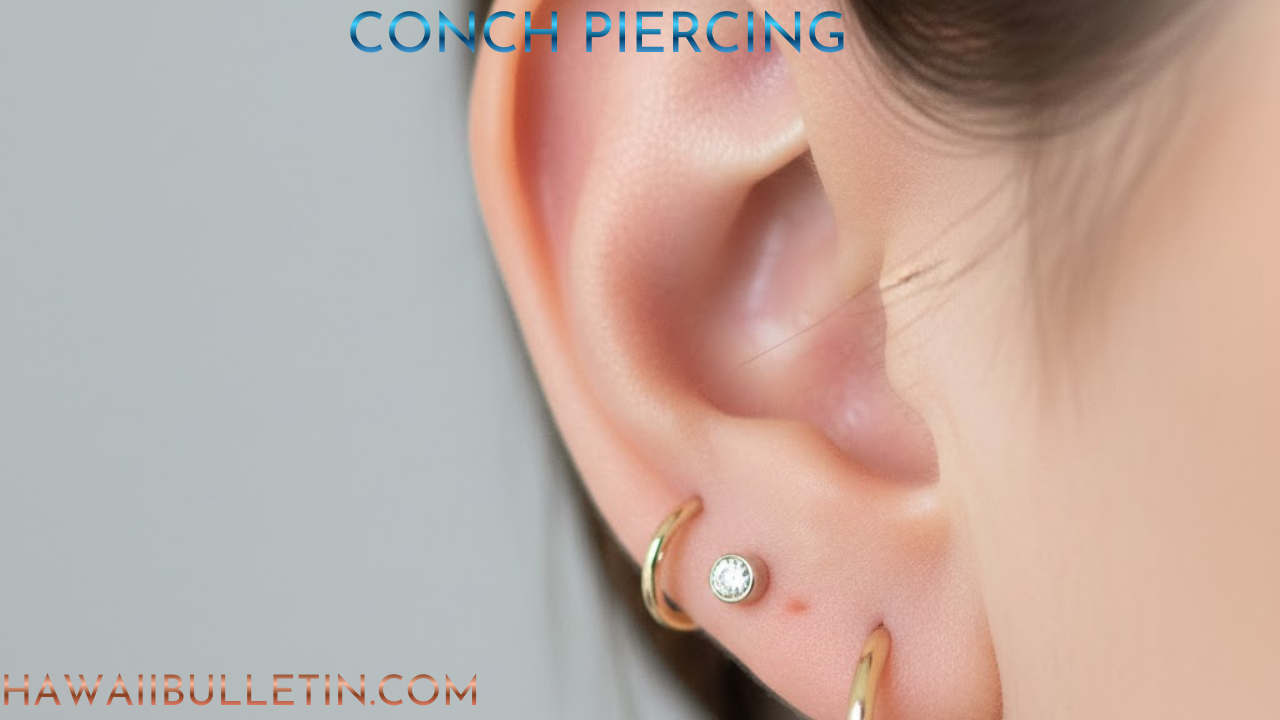
A conch piercing has quickly become one of the most stylish and versatile ear piercings today. Whether you prefer a bold statement piece or a subtle, elegant look, this piercing offers endless customization options. However, before committing, it’s important to understand what a conch piercing is, how painful it can be, how long it takes to heal, and how to care for it properly.
In this comprehensive guide, you’ll learn everything you need to know about conch piercing—from types and jewelry options to aftercare tips and common mistakes—so you can make an informed and confident decision.
What Is a Conch Piercing?
A conch piercing is placed in the middle portion of the ear cartilage, known as the concha. This area resembles a seashell, which is where the name originates. Unlike lobe piercings, conch piercings go through thicker cartilage, giving them a unique and eye-catching appearance.
This piercing is popular among people who want something edgy yet classy. It also works well as a standalone piercing or as part of a curated ear style with multiple piercings.
Types of Conch Piercing
There are two main types of conch piercing, each offering a distinct look.
Inner Conch Piercing
An inner conch piercing is placed in the center bowl of the ear. It’s often styled with:
-
Flat-back studs
-
Small gemstones
-
Minimalist jewelry
This option provides a clean and subtle aesthetic that complements everyday wear.
Outer Conch Piercing
An outer conch piercing sits closer to the outer edge of the ear. It’s commonly styled with:
-
Hoops or rings
-
Decorative clickers
-
Statement jewelry
Outer conch piercings are more visible and are often chosen for a bolder, trend-forward look.
Does a Conch Piercing Hurt?
Pain tolerance varies from person to person, but most people rate conch piercing pain between 6 and 7 out of 10. Since the conch goes through thick cartilage, it is more painful than a lobe piercing but generally less painful than industrial or rook piercings.
What to expect:
-
A sharp pressure during piercing
-
Mild throbbing afterward
-
Temporary soreness for a few days
Choosing an experienced professional piercer can significantly reduce discomfort and complications.
Conch Piercing Healing Time
Healing is a crucial factor to consider before getting a conch piercing. Because it involves cartilage, healing takes longer than soft tissue piercings.
Average healing time:
-
Initial healing: 6–8 weeks
-
Full healing: 6–12 months
During this period, consistent aftercare is essential to avoid infections or irritation.
Best Jewelry for Conch Piercing
Selecting the right jewelry plays a major role in comfort, healing, and overall appearance.
Recommended Jewelry Types
-
Flat-back labret studs
-
Hoops (after initial healing)
-
Small barbells
Best Materials
-
Implant-grade titanium
-
Surgical stainless steel
-
14k or 18k gold
These materials are hypoallergenic and safe for sensitive skin.
Jewelry Size Tips
-
Start with slightly longer posts to allow swelling
-
Avoid heavy or oversized jewelry during healing
Conch Piercing Aftercare Tips
Proper aftercare ensures smooth healing and prevents complications.
Daily Cleaning Routine
-
Clean twice daily with sterile saline solution
-
Gently remove crust buildup
-
Pat dry with a clean paper towel
What to Avoid
-
Touching with unwashed hands
-
Sleeping on the pierced ear
-
Swimming in pools or lakes during early healing
-
Using alcohol or hydrogen peroxide
Consistency is key. Skipping aftercare can slow healing or cause infections.
Common Conch Piercing Problems
Even with proper care, some issues may arise.
Infection
Signs include:
-
Redness and warmth
-
Yellow or green discharge
-
Persistent pain
If symptoms worsen, consult a professional piercer or healthcare provider.
Bumps and Irritation
These are often caused by:
-
Pressure from sleeping
-
Jewelry that’s too tight
-
Poor-quality metal
Switching to high-quality jewelry and reducing friction usually helps.
Conch Piercing vs Other Ear Piercings
If you’re deciding between ear piercings, understanding the differences can help.
| Piercing Type | Pain Level | Healing Time | Style |
|---|---|---|---|
| Lobe | Low | 6–8 weeks | Classic |
| Helix | Medium | 4–6 months | Trendy |
| Conch | Medium-High | 6–12 months | Bold & Elegant |
| Tragus | Medium | 4–8 months | Subtle |
A conch piercing stands out for its versatility and visual impact.
Styling Ideas for Conch Piercing
One of the biggest advantages of a is styling flexibility.
Minimalist Look
-
Small diamond or opal stud
-
Flat gold disc
Statement Style
-
Large hoop wrapping the ear
-
Decorative clicker with charms
Curated Ear Aesthetic
-
Pair with helix, tragus, or lobe piercings
-
Mix metals for a modern edge
This piercing adapts easily to both casual and formal looks.
How Much Does a Conch Piercing Cost?
The cost of a varies depending on location and studio quality.
Average price range:
-
Piercing service: $30–70
-
Jewelry: $20–100+
Always prioritize hygiene, experience, and quality over cheaper pricing.
Is a Conch Piercing Right for You?
A conch piercing is ideal if you:
-
Want a unique but versatile ear piercing
-
Are patient with longer healing times
-
Enjoy experimenting with jewelry styles
However, if you frequently sleep on your side or prefer low-maintenance piercings, you may want to consider alternatives.
Frequently Asked Questions About Conch Piercing
Can you sleep on a ?
It’s best to avoid sleeping on it for the first few months. A travel pillow can help.
Can I change my jewelry early?
No. Wait until your piercer confirms it’s safe—usually after 8–12 weeks.
Do conch piercings close quickly?
Yes, especially during early healing. Avoid removing jewelry for long periods.
Final Thoughts
A conch piercing is more than just a fashion trend—it’s a timeless ear piercing that offers individuality, elegance, and endless styling possibilities. With the right preparation, professional piercing, and consistent aftercare, it can be a stunning addition to your personal style.
If you’re considering a consult a reputable piercer, choose quality jewelry, and commit to proper care for the best results.