
 By Word Whimsy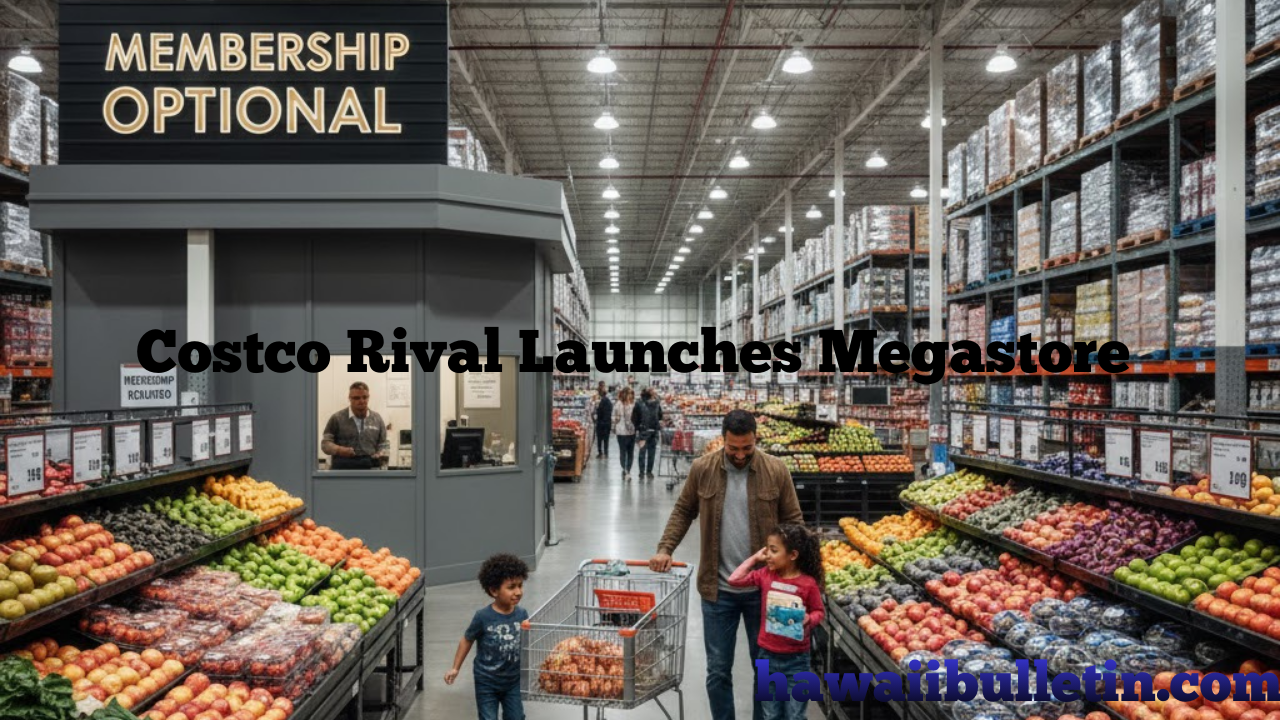
For decades, the warehouse club model has been dominated by a few key players, with Costco often seen as the undisputed king of bulk buying. The formula is familiar: pay an annual membership fee for access to cavernous aisles, limited product selections, and legendary savings. But what happens when a Costco rival launches a megastore that challenges every one of these core assumptions? The arrival of such a contender signals more than just new competition; it reveals shifting consumer loyalties and a retail landscape ripe for reinvention.
This isn’t merely about a new location opening its doors. It’s about a fundamental rethink of the relationship between retailer and shopper. As established giants like BJ’s Wholesale Club aggressively expand into new territories like Texas, and innovative new concepts emerge with radically different models, the very definition of value is being rewritten. This article delves into the strategic moves reshaping the warehouse sector, exploring what these launches mean for your wallet and the future of how we shop.
The Game Changer: A Megastore Built on Access, Not Exclusivity
The most disruptive concept recently making waves is a megastore that inverts the traditional warehouse club blueprint. Its most radical departure? Membership is entirely optional. Shoppers can walk in freely, browse thousands of items, and only later decide if they want to upgrade to a deeper-discount membership for an annual fee that is significantly lower than industry norms.
This “try before you buy” approach reframes the value proposition. Instead of membership being a gatekeeping fee, it becomes an optional upgrade—a shift that places power squarely in the hands of the consumer. This model directly taps into modern shopping behaviors characterized by subscription fatigue and a reluctance toward upfront, abstract costs. In an era of inflation anxiety, the ability to see and compare value before committing is a powerful draw.
Beyond membership, this new megastore challenges another warehouse tenet: limited selection. Where traditional clubs curate a narrow range of SKUs for efficiency, this store boasts a noticeably broader assortment. It blends mainstream bulk staples with culturally specific and specialty items, aiming to feel less like a standardized warehouse and more like a global market. This strategy intentionally targets customers who feel underserved by the uniform offerings of national chains, appealing to families, small businesses, and communities seeking both economy and identity in their shopping.
The Established Challenger: BJ’s Wholesale Club Doubles Down on Expansion
While new concepts test the model’s boundaries, established rivals are not standing still. BJ’s Wholesale Club, a long-time competitor to Costco and Sam’s Club, is executing a major geographic expansion, with Texas as its prime target. The company is building multiple new warehouses in the Dallas-Fort Worth area, with openings slated for spring 2026.
This move is a direct play for market share in a high-growth region. BJ’s is leveraging its unique club model, which it claims delivers savings of up to 25% off grocery store prices every day. The expansion also includes a strategic focus on fuel, with executives signaling an intent to “offer the lowest gas prices around,” a key perk for membership loyalty.
BJ’s membership pricing presents a clear, competitive alternative. It offers a standard Club membership for $60 per year and a Club+ membership for $120, which includes additional fuel discounts. This undercuts Costco’s Executive membership ($130/year) and positions BJ’s as a cost-conscious choice, especially when paired with its aggressive market entry.
Side-by-Side: How the New Models Compare to the Old Guard
The evolving competition creates a spectrum of choices for consumers. The table below highlights the key philosophical and practical differences between the traditional warehouse model and the emerging alternatives.
| Dimension | Traditional Warehouse Clubs (e.g., Costco, Sam’s Club) | Emerging Megastore Model | Established Challenger (e.g., BJ’s Wholesale) |
|---|---|---|---|
| Membership Approach | Mandatory fee for entry. | Optional. Shop first, decide on membership later. | Mandatory, but often at a lower price point. |
| Annual Fee (Standard) | ~$60 – $65. | Low fee (optional for full benefits). | $60. |
| Product Philosophy | Limited SKUs for efficiency. | Broad, diverse assortment including specialty items. | Wider selection than Costco, but more curated than megastore. |
| Access Barrier | High (paywall to enter). | Low (open access). | High (paywall to enter). |
| Loyalty Model | Subscription-based commitment. | Experience-based; membership as an earned upgrade. | Subscription-based, with strong fuel/perks incentive. |
| Expansion Style | National, methodical rollout. | Localized, experimental single locations. | Strategic regional expansion into new markets. |
Sources: Comparative analysis based on reported models.
Why Now? The Consumer Shift Fueling the Change
The success of these new launches hinges on profound shifts in consumer psychology and economic reality.
-
The Quest for Frictionless Value: Today’s shoppers resist friction. The optional membership model eliminates the biggest hurdle—the upfront fee—allowing trust and loyalty to be built through positive shopping experiences rather than contractual obligation.
-
Inflation and Bulk Buying: Economic pressures have made bulk buying a necessity for many families, not just a convenience. However, consumers are wary of large commitments. Retailers that offer bulk savings with lower barriers to entry are perfectly positioned for this moment.
-
Subscription Fatigue: From streaming services to meal kits, consumers are scrutinizing recurring fees. The warehouse membership is under the same microscope. Models that are more flexible or affordable resonate deeply in this climate.
-
Demand for Diversity: The one-size-fits-all national assortment no longer satisfies all consumers. Shoppers want to see products that reflect their community and culture, a demand the new megastore model explicitly aims to meet.
The Ripple Effect: What This Means for Costco and the Industry
The arrival of serious competition does not necessarily mean the downfall of giants. Costco’s brand loyalty, operational excellence, and cult-like following are formidable assets. However, competition is most effective when it forces incumbents to reconsider their assumptions.
We may not see Costco abandon its membership model, but it could innovate around the edges. This might include:
-
More Flexible Trial Memberships: Longer or more accessible trial periods to reduce upfront risk.
-
Tiered Access: Exploring lower-cost, digital-only, or perk-specific membership tiers.
-
Localized Assortments: Incorporating more regional and cultural products to better serve diverse communities.
-
Enhanced Perks: Doubling down on the unique benefits (like travel services or insurance) that justify the membership fee beyond just in-store savings.
The ultimate impact of a Costco rival launching a megastore may not be measured in direct market share taken, but in the subtle ways it prompts the entire industry to evolve. It proves that even the most durable retail models are not immune to question and adaptation.
Conclusion: Your Wallet Wins When Giants Have to Innovate
The warehouse club sector is no longer a static landscape. It is being reshaped by bold new concepts that challenge the mandatory membership orthodoxy and by established players embarking on aggressive growth campaigns. Whether it’s the optional-access megastore or BJ’s strategic push into Texas, these moves are a direct response to what you, the consumer, are demanding: more choice, less friction, and undeniable value.
This competition is a win for shoppers. It means more options for where to buy in bulk, more pressure on pricing and membership fees, and a greater likelihood that retailers will work harder to earn your loyalty. The next time you consider renewing your warehouse membership, the market may offer a compelling new alternative worth exploring.
 Saman Zahra