
 By Word Whimsy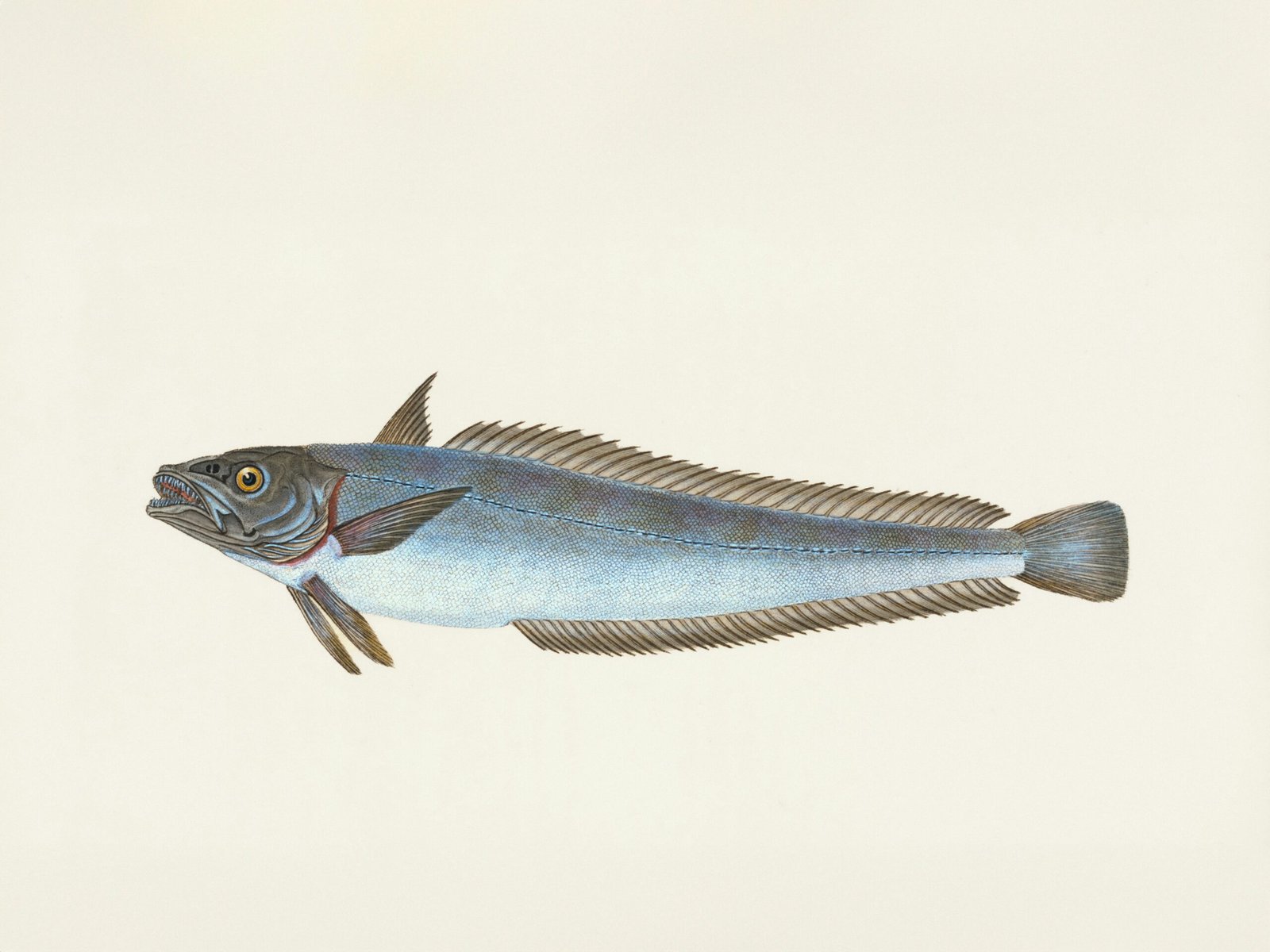
Albacore tuna, known for its rich flavor and meaty texture, is a favorite among seafood lovers. But have you ever wondered about the journey this delicious fish takes from ocean depths to your dinner plate? Understanding albacore tuna goes beyond simply enjoying it in sushi or grilled dishes. It’s a fascinating tale of migration, ecology, and human interaction that impacts both the fish and our oceans. Join us as we explore the intricate world of albacore tuna—from its biology to conservation efforts—unraveling why this species not only delights our palates but also plays an essential role in marine ecosystems.
From Ocean to Table: The Journey of Albacore Tuna
The journey of albacore tuna begins in the open ocean, where they migrate vast distances. Fishermen use various methods to catch them, ensuring sustainability through responsible practices. Once harvested, the fish are processed and packaged quickly to preserve freshness. From restaurants to home kitchens, albacore tuna travels a careful route before gracing our tables with its deliciousness.
Taxonomy and Phylogeny
Albacore tuna, known scientifically as Thunnus alalunga, belongs to the Scombridae family. This family includes other tunas and mackerels. Albacore is part of the order Perciformes, which encompasses a diverse range of fish species. Understanding its taxonomy helps in studying evolutionary relationships and ecological roles within marine environments.
Description
Albacore tuna, known scientifically as Thunnus alalunga, features a streamlined body with long pectoral fins. Its coloration is striking—deep blue on the top and silvery-white underneath. This species typically grows up to 90 inches in length and can weigh over 400 pounds. Albacore is recognized for its rich flavor and meaty texture, making it a popular choice in cuisine.
Distribution and Habitat
Albacore tuna are predominantly found in temperate and tropical oceans. They inhabit both coastal areas and open seas, often preferring waters with temperatures between 60°F to 75°F. These fish migrate extensively, traveling long distances to find food and suitable breeding grounds, making them adaptable to various marine environments across the globe.
Migration
Albacore tuna are known for their remarkable migratory patterns. They travel vast distances across oceans, typically moving between temperate and tropical waters. This migration is largely driven by changes in water temperature and availability of prey. Their journeys can span thousands of miles, showcasing their adaptability and resilience in the search for food and breeding grounds.
Biology and Ecology
Albacore tuna are fast-swimming fish, reaching speeds of up to 40 mph. They have streamlined bodies and a unique ability to regulate their body temperature, allowing them to thrive in various ocean conditions. Their diet primarily consists of smaller fish and squid, playing a crucial role in the marine food web as both predator and prey.
Human Interaction
Human interaction with albacore tuna primarily occurs through commercial and recreational fishing. These activities impact populations and ecosystems. Overfishing poses significant threats, leading to stricter regulations in many regions. Additionally, habitat degradation from pollution affects their survival rates. Sustainable practices are essential for balancing human needs while ensuring the future of this vital species remains secure.
Other Species Called Albacore
Several species are commonly referred to as albacore. The most notable include the Atlantic albacore (Thunnus alalunga) and the Pacific albacore. Each species has distinct habitats, behaviors, and size variations. While they share similarities in taste and texture, their ecological roles differ significantly within marine ecosystems across different oceans.
Feeding
Albacore tuna primarily feed on smaller fish, squid, and crustaceans. They are opportunistic feeders, often hunting in schools to maximize their advantages. Their keen sense of sight helps them locate prey in deep waters. This adaptability allows albacore tuna to thrive in various oceanic environments while maintaining a balanced diet essential for growth and reproduction.
Life History
Albacore tuna have a fascinating life history. They can grow up to 4 feet long and weigh over 100 pounds. These fish reach maturity around 5 years of age, often spawning in warmer waters during summer months. Their lifespan can extend up to 12 years, showcasing their adaptability and resilience in diverse marine environments.
Commercial Fishery
The commercial fishery for albacore tuna primarily targets younger, smaller fish. These fisheries employ various methods, including longlining and purse seining. Albacore is sought after due to its high market value and versatility in cuisine. Sustainable practices are crucial to ensure the population remains robust while meeting consumer demand for this beloved seafood choice.
Recreational Fishery
Recreational fishing for albacore tuna is a popular activity among anglers. Known for their fighting spirit and culinary value, these fish attract enthusiasts seeking adventure. Many fishermen target them in deeper ocean waters during summer months, employing techniques like trolling or chunking. Catch-and-release practices are encouraged to promote sustainable fishing while preserving populations for future generations.
Conservation
Conservation efforts for albacore tuna focus on sustainable fishing practices and habitat protection. Organizations work to minimize bycatch, promote responsible harvesting methods, and implement regulations. Additionally, educating consumers about choosing sustainably sourced fish helps ensure the future of this species while maintaining healthy ocean ecosystems crucial for its survival.
Mercury Levels
Albacore tuna, like many large fish, can accumulate mercury in their tissues. This occurs due to their position in the food chain and long lifespan. High mercury levels may pose health risks for consumers, particularly pregnant women and young children. Regular testing is crucial to ensure safety while enjoying this delicious seafood option.
Cuisine
Albacore tuna is a culinary favorite due to its rich flavor and firm texture. It’s often enjoyed grilled, seared, or canned. Sushi and sashimi featuring albacore are popular in Japanese cuisine. Its versatility allows it to be used in salads, pastas, and sandwiches, making it a staple for both home cooks and gourmet chefs alike.
Why Albacore Tuna Matter
Albacore tuna play a vital role in marine ecosystems as both predator and prey. They help maintain the balance of oceanic food webs. Additionally, their economic significance cannot be overlooked; albacore supports fisheries worldwide and is a popular choice among consumers for its rich flavor and nutritional benefits, making it essential for sustainable seafood practices.
Threats Albacore Tuna Face
Albacore tuna face numerous threats, including overfishing and habitat destruction. Climate change affects their migration patterns and breeding grounds. Pollution, particularly plastics and chemicals in the ocean, poses significant risks to their health. Additionally, bycatch from commercial fishing practices endangers juvenile populations. These factors collectively threaten the sustainability of albacore tuna stocks globally.
How WWF is Taking Action to Protect Albacore Tuna
The WWF is actively working to protect through sustainable fishing practices and policy advocacy. They collaborate with governments, fishers, and communities to promote responsible management of tuna fisheries. By supporting certification programs like MSC, WWF encourages consumers to choose sustainably sourced , helping ensure a healthier ocean ecosystem for future generations.
Innovative Incentive-Based Tools in Reform of Highly Migratory Fisheries
Innovative incentive-based tools are reshaping the management of highly migratory fisheries like albacore tuna. These strategies encourage sustainable practices by rewarding fishers for responsible fishing methods. By aligning economic benefits with conservation goals, these tools foster collaboration among stakeholders, ultimately enhancing fish populations and promoting long-term ecological balance in our oceans.
Principles for Fisheries Management in Areas Beyond National Jurisdiction—the Essential Role of Incentive-Based Approaches
Effective fisheries management in areas beyond national jurisdiction relies on incentive-based approaches. These strategies promote sustainable practices by aligning the interests of fishers with conservation goals. By rewarding responsible fishing and penalizing over-exploitation, such methods encourage compliance and foster cooperative management efforts vital for protecting and other marine species in international waters.
The WWF Gifts Catalog
The WWF Gifts Catalog offers a unique way to support conservation efforts while giving meaningful gifts. Buyers can choose items that contribute directly to wildlife protection, including initiatives for albacore tuna. Each purchase helps fund research and sustainable practices, making it an impactful choice for environmentally conscious consumers looking to make a difference through their gifting.
About MSC Canned Albacore Tuna Nothing Added
MSC Canned Albacore Tuna H3: Nothing Added is a premium product that adheres to strict sustainability standards. Sourced from well-managed fisheries, this tuna offers exceptional taste without preservatives or additives. It’s packed in water or its own juices, ensuring the natural flavor is intact while providing a healthy option for meals and snacks at any time.
Description
Albacore tuna, known scientifically as Thunnus alalunga, features a streamlined body and long pectoral fins. Its coloration includes a dark blue back with silver sides and a white underbelly. This species can grow up to 90 inches in length and weigh over 70 pounds. Albacore is prized for its rich flavor and firm texture in culinary dishes.
Physical Description
Albacore tuna are sleek and streamlined, featuring a metallic blue upper body with silver sides. They can grow up to 90 pounds and reach lengths of about 4 feet. Their unique fin structure includes a long dorsal fin that folds into the body, making them agile swimmers in the open ocean. Their distinct appearance sets them apart from other tunas.
Geographic Range
Albacore tuna are found in warm-temperate and tropical oceans worldwide. Their geographic range extends from the North Atlantic to the North Pacific, including areas like the Mediterranean Sea. In the Southern Hemisphere, they inhabit waters off South Africa and Australia. They thrive in deep offshore environments, often preferring temperatures between 18°C and 24°C.
Rules and Seasons
Rules governing the fishing of albacore tuna are designed to ensure sustainability and protect marine ecosystems. Regulations vary by region, with specific guidelines on catch limits, gear types, and protected seasons.
Fishermen must adhere to seasonal restrictions that typically align with the spawning cycles of albacore tuna. Understanding these rules helps maintain fish populations for future generations and supports responsible fishing practices.
Respecting these regulations is crucial for both commercial and recreational anglers who cherish this prized species. Awareness fosters a sustainable relationship between humans and the ocean’s resources. Supporting efforts to enforce these rules contributes significantly to the health of our oceans and preserves the legacy of albacore tuna for years to come.