
 By Word Whimsy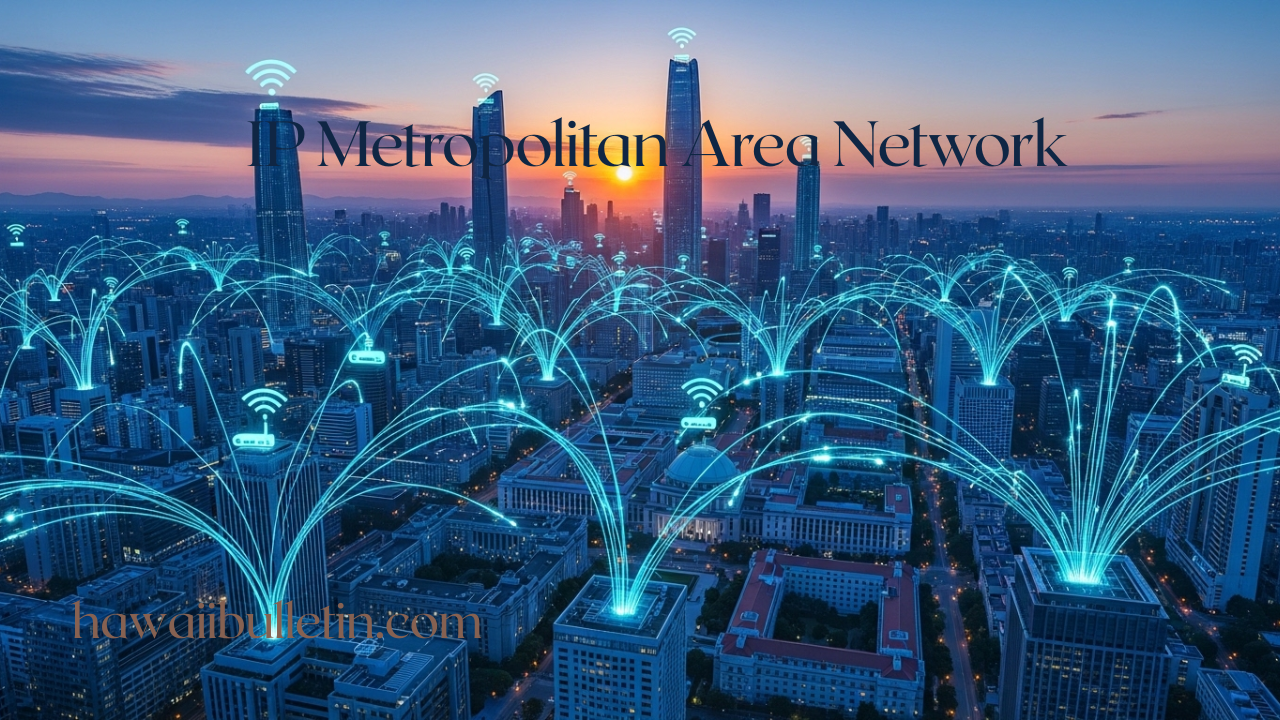
In today’s fast-paced digital world, staying connected is more important than ever. As cities expand and technology evolves, the need for efficient communication networks rises. Enter the IP Metropolitan Area Network (IP MAN), a powerful solution designed to bridge connectivity gaps across urban landscapes. Imagine a network that links multiple locations within a city seamlessly, enhancing both personal and professional interactions. Whether it’s supporting local businesses or enabling smart city initiatives, an IP MAN plays a pivotal role in shaping our urban experience. Let’s dive into what makes this innovative networking approach essential for modern metropolitan life!
What is an IP Metropolitan Area Network (MAN)?
An IP Metropolitan Area Network (IP MAN) is a communication network that spans a city or town, connecting various local area networks (LANs) and allowing for high-speed data transmission. Unlike local networks that serve individual buildings or homes, an IP MAN covers a broader geographic area.
Typically, an IP MAN operates over fiber optic cables and other advanced technologies to ensure fast and reliable connections. This setup allows organizations within the same metropolitan region—like schools, businesses, and government agencies—to share resources efficiently.
One key feature of an IP MAN is its ability to handle large amounts of traffic without significant delays. It supports multiple types of services such as internet access, voice communications, and video conferencing—all essential for modern urban living. By leveraging Internet Protocol standards, it provides flexibility in expanding connectivity options across cities while maintaining robust performance throughout the network.
Benefits of an IP MAN
An IP Metropolitan Area Network (MAN) offers numerous benefits that enhance connectivity and efficiency for urban areas.
One of the most significant advantages is improved bandwidth. With higher data transfer rates, users can enjoy seamless streaming and faster downloads.
Another key benefit is scalability. An IP MAN can easily expand as demand grows, accommodating more devices without a hitch.
Cost-effectiveness also plays a vital role. By utilizing existing infrastructure, cities can implement an IP MAN with reduced investment compared to other network types.
Moreover, enhanced reliability ensures consistent performance. This stability allows businesses and residents to depend on uninterrupted access to services.
An IP MAN fosters collaboration between various organizations within the metropolitan area, enabling better communication and resource sharing among institutions like schools, hospitals, and government bodies.
How does an IP MAN work?
An IP Metropolitan Area Network (MAN) operates by interconnecting various local area networks (LANs) across a city or metropolitan region. It utilizes high-speed fiber optic cables and wireless technologies to facilitate seamless communication.
Data packets are transmitted through routers, which direct the traffic efficiently. These routers manage connections between different devices, ensuring minimal latency and maximum bandwidth.
IP MANs leverage protocols such as Internet Protocol (IP) for data transfer. This standardization allows different types of equipment from various manufacturers to communicate without issues.
Moreover, encryption is often employed to enhance security during transmission. This ensures that sensitive data remains protected against unauthorized access while traveling across the network.
As users connect, they can share resources like databases or applications effortlessly. The result is a highly collaborative environment for businesses and public services alike.
Types of Connections in an IP MAN
An IP Metropolitan Area Network (MAN) offers various connection types to cater to different needs. Understanding these connections is crucial for optimizing network performance.
Ethernet over Fiber is a common choice. It provides high-speed data transfer and reliable connectivity between multiple sites within a city. Organizations prefer it for its efficiency and scalability.
Another option is Microwave Links, which use radio waves to transmit data over long distances without physical cables. This method can be particularly useful in urban areas where laying fiber might be impractical.
Wireless Connections also play an essential role in an IP MAN. They offer flexibility and mobility, allowing users to connect on-the-go while still accessing the broader network.
DSL or Cable Internet connections can bridge smaller locations with larger networks seamlessly. Each type of connection has unique advantages that fit specific requirements and circumstances within metropolitan contexts.
Sample Applications of IP MANs
IP Metropolitan Area Networks (MANs) serve a variety of purposes across different sectors. They excel in connecting multiple local area networks within a city, facilitating seamless communication between businesses and government entities.
In education, universities leverage IP MANs to link campuses. This ensures that resources like databases and online learning platforms are accessible from any location within the metropolitan area.
Healthcare institutions also benefit significantly. Hospitals can share patient records instantly with nearby clinics, enhancing coordination and improving patient care.
Public safety departments utilize these networks for real-time data sharing among police stations and emergency services. This capability aids in quicker response times during emergencies.
Moreover, smart city initiatives rely on IP MANs to connect various IoT devices throughout urban areas. Traffic management systems, environmental monitoring sensors, and public transport information can all operate cohesively through this network structure.
Challenges and Solutions for Implementing an IP MAN
Implementing an IP Metropolitan Area Network (MAN) comes with its share of challenges. One significant hurdle is the intricate network design needed to cover vast urban areas efficiently. As cities expand, ensuring seamless connectivity while minimizing latency can be daunting.
Additionally, financial constraints can limit the deployment of necessary infrastructure. High setup and maintenance costs often deter investment in robust networking solutions.
Another challenge arises from regulatory requirements and obtaining permits for laying down cables or setting up towers. Navigating local laws adds complexity to the process.
However, innovative technologies like software-defined networking (SDN) offer promising solutions by allowing more flexible management of resources. Collaborative initiatives between public and private sectors can also foster investment and streamline development efforts.
Comprehensive training for staff ensures smooth operations post-implementation, addressing issues before they escalate into larger problems.
Conclusion
The evolution of the IP metropolitan area network is a game-changer for urban connectivity. Cities are becoming more integrated, making communication seamless and efficient.
Businesses benefit from improved bandwidth and reduced latency. This lays the groundwork for innovations in various sectors, including education, healthcare, and public services.
As technology continues to advance, so too will the capabilities of IP MANs. The possibilities are exciting as cities embrace digital transformation.
Investing in an IP metropolitan area network paves the way for smarter living. Enhanced connectivity leads to better experiences for residents and visitors alike.
FAQs
When exploring the concept of an IP metropolitan area network, several questions often arise.
What exactly is a metropolitan area network? It’s a type of network that connects users in a specific geographical region. This can include cities or large campuses.
The main use of MANs typically revolves around providing high-speed internet access within urban areas. They bridge the gap between local networks and wide-area networks (WANs).
For those seeking brevity, MAN simply refers to a networking solution that covers larger distances than LAN but smaller ones compared to WAN.
You might wonder where these networks find their primary applications. They are mostly utilized in business districts, educational institutions and municipal services to ensure seamless connectivity across various locations.
What is a metropolitan area network?
A metropolitan area network (MAN) is a high-speed connection that spans a specific geographical area. This typically covers cities and large campuses, linking multiple local networks.
Unlike wide-area networks (WANs), which connect broader distances, MANs serve as an intermediary. They bridge the gap between local area networks (LANs) and WANs.
This type of network allows for faster data transfer speeds than traditional internet connections. It’s ideal for organizations needing to share resources efficiently across urban environments.
In essence, a MAN enhances communication within city limits while ensuring reliable connectivity across various sites. Its design accommodates both residential users and businesses alike.
What is the main use of MAN?
The main use of a Metropolitan Area Network (MAN) is to connect multiple local area networks (LANs) within a specific geographical region. This enables various organizations, such as businesses and educational institutions, to communicate effectively over larger distances without relying on the public internet.
A MAN typically spans several kilometers, allowing users in different locations to share resources and data seamlessly. It plays an essential role in facilitating high-speed broadband connections for urban areas.
Additionally, a MAN supports numerous applications like video conferencing, VoIP services, and cloud computing solutions. By providing higher bandwidth than traditional WANs while remaining more cost-effective than building individual network infrastructures, it serves as an ideal solution for cities looking to enhance connectivity between their communities.
What is MAN in very short answer?
A metropolitan area network (MAN) is a type of computer network designed to connect multiple local area networks (LANs) within a specific geographic region.
Typically, this spans cities or large campuses. It serves as a bridge for communication between these LANs.
With higher bandwidth than traditional wide area networks (WANs), MANs allow for faster data transmission over larger distances.
They play a crucial role in facilitating connectivity among various institutions like schools, businesses, and government offices within urban areas.
By integrating different networks into one cohesive system, MANs enhance collaboration and resource sharing across organizations.
Where is MAN mainly used?
The IP metropolitan area network can be found in various settings. Major cities utilize it to interconnect local businesses, educational institutions, and government agencies. This technology enhances communication among different branches of a city’s infrastructure.
Public safety services also rely heavily on MANs for rapid information sharing during emergencies. Additionally, utility companies use these networks for real-time monitoring and management of resources like water or electricity.
Suburban areas are increasingly adopting this technology too. As more communities seek better connectivity options, the demand for robust IP MAN solutions continues to grow across regions.
By providing a scalable solution that meets diverse urban needs, the IP metropolitan area network plays a crucial role in shaping modern connectivity landscapes across cities today.