
 By Word Whimsy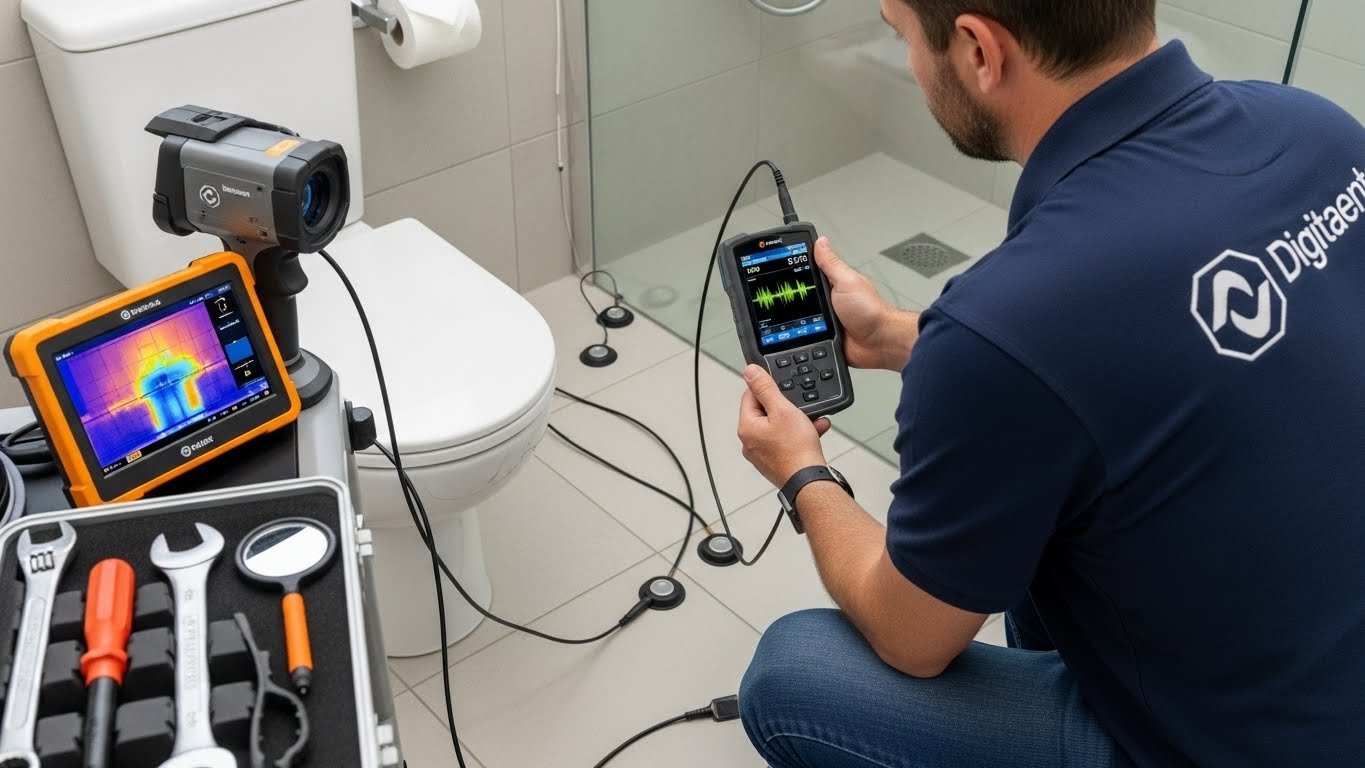
Water leaks in residential and commercial properties are often hidden and can go unnoticed until significant damage occurs. Undetected leaks not only waste water but can also compromise structural integrity, promote mold growth, and increase utility costs. Traditional methods of leak detection, which relied heavily on visual inspection or disruptive excavation, are often ineffective and time-consuming. Modern plumbing leak detection techniques, however, use advanced technology to pinpoint leaks quickly and accurately, minimizing property damage and reducing repair costs. From acoustic sensors and thermal imaging to tracer gas detection and professional repairs, these methods provide comprehensive solutions for leak identification and remediation.
Acoustic Leak Detection: Listening to the Sounds of Water
Acoustic leak detection is one of the most widely used modern techniques. This method relies on specialized listening devices that detect the sound of water escaping from pipes. Even small leaks in pressurized water lines produce distinctive sounds, which trained technicians can amplify and analyze. Acoustic detection is particularly effective for leaks in copper, PVC, or PEX piping and allows professionals to locate the exact source without the need for extensive excavation.
By using electronic sensors placed along walls, floors, or directly on pipe surfaces, acoustic leak detection identifies the vibration and sound patterns associated with water leaks. This method is non-invasive, cost-effective, and highly accurate, making it a standard practice for both residential and commercial properties.
Thermal Imaging: Visualizing Hidden Leaks Through Heat
Thermal imaging, also known as infrared leak detection, identifies leaks based on temperature differences caused by escaping water. Warm water lines beneath floors or walls create subtle temperature anomalies that can be visualized using infrared cameras. This technology is especially useful for detecting leaks in hot water lines or radiant heating systems, where temperature variations are more pronounced.
Thermal imaging provides a visual map of potential problem areas, helping technicians target repairs precisely. It is non-invasive, allows for quick inspections of large areas, and can reveal leaks that may not yet have caused visible damage to floors, ceilings, or walls.
Tracer Gas Detection: Pinpointing Hard-to-Find Leaks
Tracer gas detection is a highly specialized method used for locating leaks in closed plumbing systems. A safe, inert gas, such as nitrogen mixed with a small amount of hydrogen or helium, is introduced into the plumbing system. Specialized detectors then identify where the gas escapes, indicating the exact location of the leak.
This method is extremely accurate and can detect leaks that other methods may miss. It is particularly effective for pressurized water lines beneath concrete slabs or in areas that are otherwise inaccessible. Tracer gas detection is often combined with acoustic or thermal methods for comprehensive leak analysis.
Pressure Testing and Isolation: Narrowing Down the Problem
Pressure testing and isolation are essential components of modern leak detection. By isolating sections of the plumbing system and monitoring pressure drops, technicians can identify which portion of the system contains a leak. This method helps reduce guesswork, allowing repairs to be focused on the affected area.
Pressure testing is particularly useful for detecting small leaks in newly installed plumbing systems or in systems with fluctuating water pressure. When combined with acoustic or thermal detection, it ensures accurate results and minimizes unnecessary excavation or disruption.
Professional Repairs: From Spot Fixes to Pipe Rerouting
Once a leak is accurately located using modern detection methods, professional repairs are critical to prevent further damage. Depending on the severity and location of the leak, repair strategies may include:
- Spot Repairs: Accessing a small section of pipe to replace or repair damaged areas. Ideal for minor leaks, this approach minimizes disruption and cost.
- Pipe Rerouting: For multiple leaks or aged pipes, rerouting the plumbing lines above ground through walls or ceilings provides a long-term solution.
- Epoxy Pipe Lining: This innovative method seals the interior of the pipe with a durable epoxy coating, restoring integrity without excavation.
Professional plumbers ensure that repairs are conducted safely, efficiently, and in compliance with local building codes. Combining modern detection with expert repair minimizes the risk of recurring leaks and protects both the property and its occupants.
Preventive Measures and Maintenance
Modern plumbing leak detection also emphasizes prevention. Routine maintenance, including periodic inspections, water pressure monitoring, and the use of high-quality piping materials, reduces the risk of leaks. Homeowners and property managers can also implement:
- Water Softening Systems: Prevents corrosion in pipes caused by hard water.
- Regular Plumbing Inspections: Detects early signs of wear, corrosion, or minor leaks.
- Proper Installation and Support of Pipes: Ensures long-term durability and reduces stress points.
By combining detection technology with preventive maintenance, property owners can avoid costly repairs and ensure the longevity of their plumbing systems.
Conclusion
Modern plumbing leak detection technologies, including acoustic amplification, thermal imaging, tracer gas, and pressure testing, provide accurate, non-invasive, and efficient solutions for identifying hidden leaks. Coupled with professional repairs and preventive maintenance, these methods protect properties from structural damage, mold growth, and water waste. Property owners who invest in modern leak detection not only save money in the long run but also safeguard the health, safety, and value of their homes or commercial buildings.
Timely detection and professional intervention are key to managing plumbing leaks effectively. By embracing these modern technologies and strategies, homeowners and property managers can prevent minor leaks from escalating into major problems and maintain a safe, efficient, and reliable plumbing system.