
 By Word Whimsy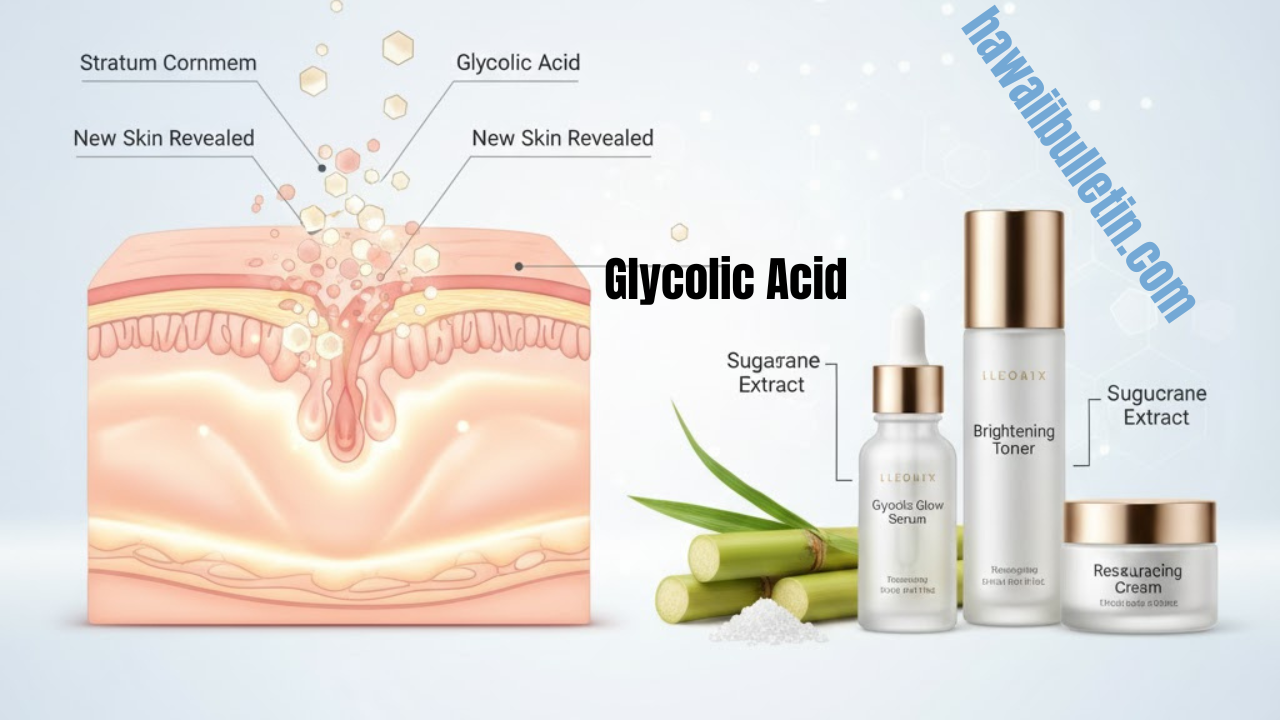
For decades, dermatologists and skincare enthusiasts have guarded a powerful secret for radiant, youthful skin. Today, that secret is out of the cabinet and into the mainstream, thanks to one potent ingredient: glycolic acid. As the most popular member of the Alpha Hydroxy Acid (AHA) family, glycolic acid has revolutionized at-home skincare, offering a clinic-grade solution for a multitude of skin concerns. But with great power comes the need for great understanding. This comprehensive guide will demystify glycolic acid, exploring its science, benefits, and how to harness its power safely and effectively for your most luminous skin yet.
What Exactly is Glycolic Acid?
Let’s start with the basics. Glycolic acid is a naturally occurring acid derived from sugar cane. It belongs to the Alpha Hydroxy Acid family, a group of water-soluble acids celebrated for their exfoliating properties. What makes glycolic acid particularly special is its small molecular size. As the smallest AHA molecule, it can penetrate the skin’s surface more easily and deeply than its cousins (like lactic or mandelic acid). This efficient penetration is the key to its impressive effectiveness.
At its core, glycolic acid is a chemical exfoliant. Unlike physical scrubs that use granular particles to manually slough off dead skin, glycolic acid works by dissolving the “glue” (desmosomes) that holds dead skin cells together on the stratum corneum, the skin’s outermost layer. This process is called corneocyte desquamation, and it’s a gentler, more uniform way to reveal the fresh, new cells lying beneath.
The Science of Skin Transformation: How Glycolic Acid Works
Understanding the mechanism helps us appreciate the results. When you apply a product containing glycolic acid, it gets to work on two primary levels:
-
Surface Exfoliation: It breaks the bonds between dead, dulling skin cells, prompting rapid cell turnover. This immediate effect uncovers smoother, brighter skin and helps prevent pores from becoming clogged.
-
Dermal Communication: As it penetrates, glycolic acid sends signals to the deeper dermis. This stimulates fibroblasts, the cells responsible for producing collagen and elastin—the essential proteins that keep skin plump, firm, and youthful. This is why consistent use doesn’t just clear the surface; it can actually improve skin structure over time.
The Multitude of Glycolic Acid Benefits
The reason for glycolic acid’s superstar status is its impressive range of benefits. It’s truly a multi-tasking ingredient.
-
Brighter, More Even Skin Tone: By removing the layer of dead cells that can make skin look dull and by inhibiting melanin production, glycolic acid is exceptional at fading dark spots, sun damage, and post-inflammatory hyperpigmentation (PIH), leading to a more uniform complexion.
-
Smoother Texture & Refined Pores: Regular exfoliation prevents the buildup of dead cells and sebum inside pores, making them appear smaller and less noticeable. It also smooths rough patches and can improve the look of fine surface wrinkles.
-
Acne Prevention and Treatment: By keeping pores clear, it prevents one of the root causes of acne. Its exfoliating action also helps penetrate and clear existing comedones (blackheads and whiteheads). For mild acne, it can be a very effective part of a treatment regimen.
-
Boosted Hydration (Yes, Really!): While an exfoliant might sound drying, properly formulated glycolic acid products can enhance the skin’s ability to retain moisture. By removing the barrier of dead cells, hydrating ingredients in your moisturizers can penetrate more effectively. Furthermore, glycolic acid itself can increase the skin’s production of hyaluronic acid.
-
Enhanced Product Absorption: This is a critical, often overlooked benefit. A clear, freshly exfoliated canvas allows all subsequent skincare products—serums, moisturizers, treatments—to absorb more deeply and work more effectively.
How to Incorporate Glycolic Acid into Your Skincare Routine
Introducing any active ingredient requires a strategic approach. Here is a safe and effective integration plan.
1. Choosing the Right Product & Concentration:
-
For Beginners (2-5%): Start with a low-concentration toner, cleanser, or serum. These formulations offer a gentle introduction with minimal risk of irritation.
-
For Intermediate Users (5-10%): Once your skin has built tolerance, serums and treatment pads in this range offer more potent resurfacing effects.
-
For Experienced Users (10%+): Higher concentrations, often found in professional-grade peels or targeted treatments, should be used with caution and less frequency. Always follow product instructions.
2. The Golden Rule: Patch Test & Start Slow.
Before applying any new product to your face, do a patch test on a small area of your neck or behind your ear. Wait 24 hours to check for adverse reactions. When starting, use your glycolic acid product only 1-2 times per week, gradually increasing frequency as your skin tolerates it.
3. Application Steps:
-
Cleanse: Start with a gentle, non-drying cleanser.
-
Apply Glycolic Acid: Apply your chosen product to dry skin. For toners, use a cotton pad; for serums, use your hands. Avoid the delicate eye area.
-
Wait Time: Allow the acid to fully absorb and work for 5-10 minutes before moving to the next step.
-
Moisturize: This is non-negotiable. Follow with a nourishing, barrier-supporting moisturizer.
-
Sunscreen (DAYTIME MANDATORY STEP): Glycolic acid increases sun sensitivity. Applying a broad-spectrum SPF 30 or higher every morning is absolutely critical to protect your newly revealed skin and prevent damage.
4. Frequency Guidance:
-
Oily/Resilient Skin: May tolerate use every other day or even daily.
-
Normal/Combination Skin: 3-4 times per week is often a sweet spot.
-
Dry/Sensitive Skin: 1-2 times per week, monitoring closely for any signs of over-exfoliation.
Crucial Safety & Side Effects: What to Watch For
Glycolic acid is powerful, and misuse can compromise your skin barrier. Be vigilant for signs of over-exfoliation:
-
Excessive dryness, tightness, or flaking
-
Redness, burning, or stinging that persists
-
Increased sensitivity
-
Unusual breakouts or irritation
If you experience these, stop use immediately. Focus on a simple, reparative routine with a gentle cleanser, a soothing moisturizer with ceramides, and sunscreen until your skin fully recovers—this can take 1-2 weeks.
Who Should Avoid Glycolic Acid? Those with active eczema, rosacea flares, broken skin, or a known allergy to AHAs should avoid it. Always consult a dermatologist before use if you are pregnant, breastfeeding, or using prescription acne medications like retinoids.
Glycolic Acid vs. Other Power Players
How does it stack up against other acids?
-
Glycolic Acid vs. Salicylic Acid (BHA): Glycolic is water-soluble and works on the skin’s surface and upper layers. Salicylic is oil-soluble, making it better for diving deep into oil-filled pores. They are excellent partners for addressing both surface and deep congestion.
-
Glycolic Acid vs. Lactic Acid: Both are AHAs. Lactic acid has a larger molecule, so it works more gently on the surface, making it a great alternative for sensitive skin. It also has superior natural moisturizing properties.
-
Glycolic Acid vs. Retinol: This is the ultimate “power couple,” not a direct comparison. Glycolic acid works on the surface via exfoliation. Retinol works in the deeper dermis to boost collagen and accelerate cell turnover. They can be used in the same routine but on alternate nights to minimize irritation.
Your Journey to Glowing Skin Starts Here
Glycolic acid is more than just a trend; it’s a time-tested, scientifically-backed tool for achieving healthier, more radiant skin. Its ability to tackle everything from dullness and texture to signs of aging makes it a worthy addition to most skincare arsenals. The path to success lies in respectful use: start low, go slow, moisturize diligently, and never, ever skip sunscreen.
Ready to experience the transformative power of this ingredient? Begin your glycolic acid journey today. Browse our curated selection of dermatologist-recommended glycolic acid products, tailored for every skin type and concern. Find your perfect match and unveil the brighter, smoother skin you’ve been waiting for. Have questions? Share them in the comments below or consult with a skincare professional to personalize your approach. Your glow awaits.