
 By Word Whimsy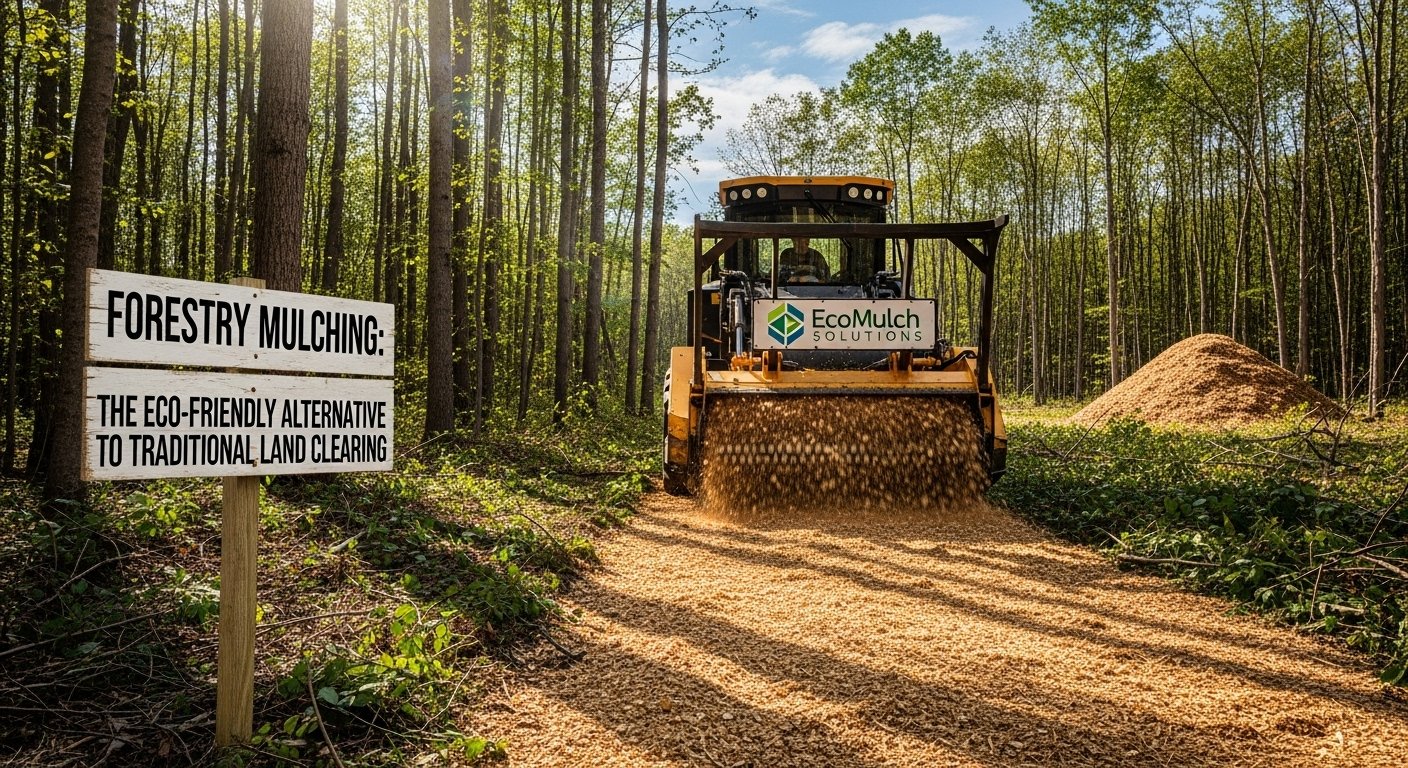
Land clearing is an essential part of property development, land management, and environmental restoration, but the methods used can have long-lasting effects on soil health, ecosystems, and surrounding environments. Traditional land clearing techniques often involve heavy excavation, burning, or hauling debris off-site, which can disturb natural systems and create environmental challenges. Forestry mulching has emerged as an eco-friendly alternative that balances land improvement with environmental responsibility. Understanding why forestry mulching is a sustainable solution helps landowners make informed choices that protect their property and the natural landscape.
Understanding Forestry Mulching
Forestry mulching is a land clearing method that uses specialized machinery to cut, grind, and mulch trees, brush, and vegetation directly on site. Instead of uprooting plants or removing debris, the equipment converts organic material into mulch that remains on the ground. This process allows vegetation to be cleared efficiently while returning nutrients to the soil. Forestry mulching can be used for residential, commercial, agricultural, and conservation projects, making it a versatile and environmentally conscious approach to land management.
Comparing Traditional Land Clearing Methods
Traditional land clearing often involves bulldozers, chainsaws, and excavation equipment to remove trees and vegetation entirely. These methods typically require hauling debris away or burning it, both of which can contribute to soil degradation, air pollution, and increased project costs. Heavy machinery can compact soil, disrupt drainage patterns, and damage nearby ecosystems. While traditional clearing may be necessary in some situations, it frequently results in long-term environmental impacts that forestry mulching helps avoid.
Soil Preservation and Improved Soil Health
One of the most significant environmental benefits of forestry mulching is its ability to preserve and improve soil health. The layer of mulch left behind protects the soil from erosion caused by wind and rain. It also helps retain moisture, regulate soil temperature, and encourage the growth of beneficial microorganisms. Unlike traditional clearing, which exposes bare soil to the elements, forestry mulching maintains ground cover that supports long-term soil stability and fertility.
Reduced Erosion and Runoff
Erosion is a major concern in land clearing projects, particularly on sloped or environmentally sensitive properties. Forestry mulching minimizes erosion by keeping roots intact and covering the soil surface with organic material. This natural mulch slows water runoff, allowing moisture to absorb into the soil rather than washing it away. Reduced runoff helps protect nearby waterways from sediment pollution and supports healthier watersheds.
Environmental Benefits for Ecosystems and Wildlife
Forestry mulching supports ecosystem balance by selectively clearing vegetation while preserving beneficial plants and habitats. This method allows land managers to remove invasive species, overgrown brush, or fire-prone vegetation without completely disrupting wildlife habitats. Many animals can continue to live in mulched areas, and the remaining vegetation provides shelter and food sources. By maintaining ecological balance, forestry mulching contributes to healthier, more resilient ecosystems.
Eliminating Burning and Air Pollution
Traditional land clearing often relies on burning cleared vegetation, which releases smoke, carbon emissions, and harmful pollutants into the air. Forestry mulching eliminates the need for burning, significantly reducing air pollution and carbon footprint. The organic material remains on site, decomposing naturally and returning nutrients to the soil. This environmentally responsible approach aligns with sustainability goals and helps protect air quality for surrounding communities.
Cost-Effective and Efficient Land Clearing
Forestry mulching is often more cost-effective than traditional clearing methods because it combines cutting, grinding, and debris management into a single process. There is no need for hauling debris, burning piles, or extensive cleanup. The efficiency of the process reduces labor costs, fuel usage, and project timelines. Landowners benefit from faster completion while maintaining environmentally friendly practices.
Supporting Sustainable Land Management
Forestry mulching is an excellent tool for sustainable land management because it allows for selective clearing and long-term vegetation control. Property owners can manage regrowth, reduce invasive species, and maintain open land without repeated intensive clearing. The mulch layer helps suppress weeds and promotes healthier regrowth of native plants, supporting sustainable land use over time.
Applications in Fire Prevention and Property Safety
In wildfire-prone areas, forestry mulching is widely used to reduce fuel loads and create defensible space around structures. By clearing dense underbrush and converting it into mulch, this method reduces the risk of fire spread while preserving soil stability. Unlike traditional clearing, which may leave exposed soil and debris piles, mulching creates safer, more manageable landscapes that support fire prevention efforts.
Minimal Impact on Surrounding Property
Forestry mulching equipment is designed to operate efficiently within confined or sensitive areas. This allows clearing to be performed with minimal disturbance to surrounding trees, structures, and landscapes. Reduced ground disturbance means fewer repairs, less environmental damage, and improved results for property owners who want controlled clearing without drastic landscape alteration.
Compliance With Environmental Regulations
Many environmental regulations prioritize erosion control, habitat preservation, and sustainable land management practices. Forestry mulching aligns well with these requirements, making it easier for landowners and developers to meet compliance standards. Using an eco-friendly clearing method can streamline permitting processes and demonstrate a commitment to environmental responsibility.
Long-Term Benefits of Forestry Mulching
The long-term benefits of forestry mulching extend beyond immediate land clearing. Improved soil health, reduced maintenance needs, enhanced ecosystem balance, and lower environmental impact make it a sustainable investment. Over time, properties managed with forestry mulching require fewer corrective measures and support healthier, more resilient landscapes.
Choosing Professional Forestry Mulching Services
While forestry mulching offers many advantages, professional expertise is essential for achieving the best results. Experienced providers assess vegetation, soil conditions, and project goals before selecting appropriate equipment and techniques. Professional forestry mulching ensures efficient clearing, environmental protection, and long-lasting outcomes tailored to the property’s needs.
Conclusion
Forestry mulching is an eco-friendly alternative to traditional land clearing that prioritizes soil health, environmental protection, and sustainable land management. By reducing erosion, eliminating burning, supporting wildlife habitats, and improving efficiency, forestry mulching offers a responsible solution for modern land clearing needs. Whether for development, conservation, or fire prevention, forestry mulching provides landowners with a practical, environmentally conscious approach that protects both property value and natural ecosystems.
 Saman Zahra