A roof is more than just a shelter over your head; it is a critical component of any home that protects its occupants from the elements, enhances energy efficiency, and adds value to the property. Over time, roofs are exposed to harsh weather, wear and tear, and natural aging. These factors can lead to damage that, if left unaddressed, can result in costly repairs or structural issues. Understanding the importance of roof maintenance and timely roof repair is essential for homeowners who want to protect their investment and ensure a safe living environment. This guide explores the necessity of roof repair, common types of damage, repair methods, preventive maintenance, and tips for choosing the right contractor.
Why Roof Repair is Important
Roofs endure constant exposure to rain, snow, hail, strong winds, and sunlight. Even the most durable roofs can degrade over time. Roof repair is not just a cosmetic task; it is a preventive measure that protects the entire structure of a home. Addressing issues early can extend the lifespan of a roof, prevent leaks, improve energy efficiency, and ensure the safety of occupants. Regular inspections and maintenance allow homeowners to identify problems before they become serious, saving both time and money. Signs that indicate a roof may require repair include visible cracks or holes, missing shingles, water stains, sagging areas, and unusual wear around vents, chimneys, and skylights.
Common Types of Roof Damage
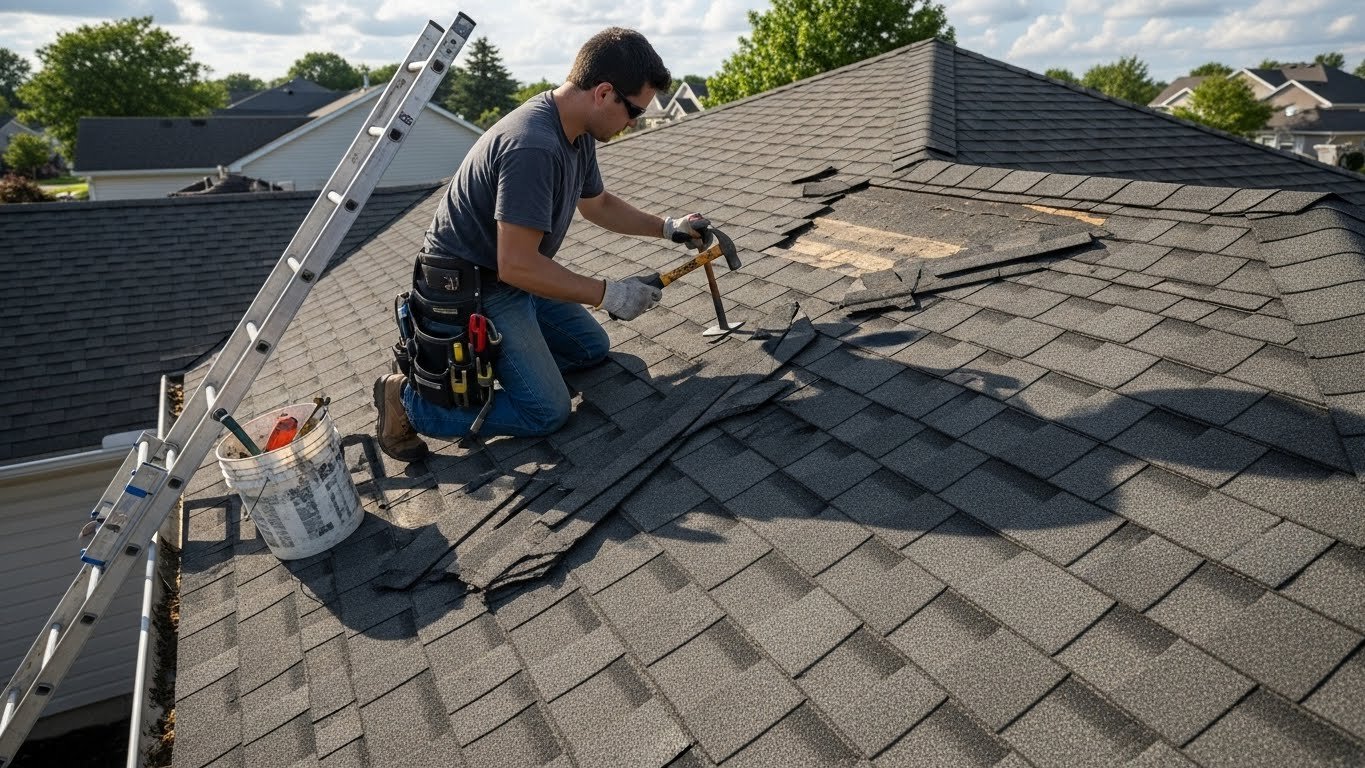
Roofs can suffer from various issues depending on materials, age, and environmental exposure. Shingle damage is one of the most common problems, especially with asphalt shingles that can crack, curl, or break over time. Damaged shingles compromise the protective barrier of a roof, allowing water to penetrate and causing leaks. Leaks and water damage can spread quickly, leading to mold, mildew, and rot. Flashing, the metal components around chimneys, vents, and valleys, can corrode or loosen, letting water seep into vulnerable areas. Flat roofs may experience ponding water, which weakens roofing materials and causes leaks. In extreme cases, roofs can develop structural issues such as sagging or weakened support beams, requiring immediate attention to prevent further damage.
Signs You Need Roof Repair
Homeowners should watch for signs that indicate roof repair is necessary. Visible damage such as missing, cracked, or curled shingles suggests the roof is no longer fully protective. Water stains on ceilings, walls, or in the attic indicate leaks. Unexpected increases in energy bills may suggest gaps that allow heat or cool air to escape. Moss or algae growth, though sometimes cosmetic, traps moisture and accelerates deterioration. Excessive shedding of shingle granules signals aging and reduced effectiveness. Addressing these issues promptly through roof repair can prevent more serious problems in the future.
Methods of Roof Repair
The approach to roof repair depends on the type of damage and the roofing materials involved. Minor shingle damage can often be fixed by replacing individual shingles. Small cracks or leaks can be treated with roofing sealants to prevent water intrusion. Damaged flashing must be repaired or replaced to maintain a watertight seal around chimneys, vents, and other roof penetrations. Flat roofs or areas with leaks may require patching with roofing membrane materials. In cases of sagging or structural weakening, reinforcing the roof’s structure ensures safety. Choosing the right repair method is critical for the longevity of the roof, and professional assessment is often recommended.
DIY Roof Repair Versus Professional Services
While minor repairs may be attempted by experienced homeowners, professional roof repair services are often necessary for more complex issues. Working on a roof is hazardous, and incorrect repairs can worsen damage, leading to higher costs. Professionals provide thorough inspections, specialized knowledge, high-quality materials, safety measures, and warranties on labor and materials. DIY repairs may be suitable for minor tasks such as debris removal or shingle replacement, but homeowners must recognize their limits and prioritize safety.
Preventive Maintenance for a Long-Lasting Roof
Preventive maintenance is essential to minimize the need for extensive roof repair. Seasonal inspections help detect minor issues early. Cleaning gutters and downspouts prevents water from backing up, which can cause leaks and structural damage. Overhanging tree branches should be trimmed to avoid damaging shingles or providing access for pests. Moss and debris should be removed to prevent trapped moisture from accelerating deterioration. Proper attic ventilation prevents condensation that may damage roofing materials from the inside. By following preventive practices, homeowners can extend the life of their roof and reduce the frequency and cost of repairs.
Cost Considerations for Roof Repair
The cost of roof repair varies depending on the severity of damage, the roofing materials used, and labor requirements. Minor repairs such as shingle replacement or sealing small leaks are generally affordable. Major repairs involving structural reinforcement or extensive damage can be more expensive. Addressing problems early is more cost-effective than waiting for damage to worsen, highlighting the financial advantage of timely roof repair. Investing in repairs preserves the roof’s integrity and safeguards the value of the property.
Choosing the Right Contractor
Selecting a reliable contractor is crucial to ensure high-quality roof repair. Experience and reputation are key factors, as contractors with proven track records deliver reliable results. Licensing and insurance protect homeowners from liability and ensure compliance with safety regulations. Written estimates detailing the scope of work and materials used provide transparency. Checking references and reviews from previous clients helps evaluate reliability. Warranties on labor and materials provide peace of mind. Choosing a trustworthy contractor ensures roof repair is carried out efficiently, effectively, and safely.
Conclusion
Roof repair is a vital part of home maintenance that protects your property, prevents costly damage, and ensures the safety of your family. Understanding signs of damage, knowing available repair methods, implementing preventive maintenance, and working with experienced professionals all contribute to a long-lasting roof. Timely roof repair not only maintains functionality but also preserves the home’s value and safety. Homeowners who take a proactive approach to roof care are better equipped to handle unexpected damage and enjoy a durable, reliable roof for years to come. Roof repair is an investment in the security, comfort, and longevity of any home.