
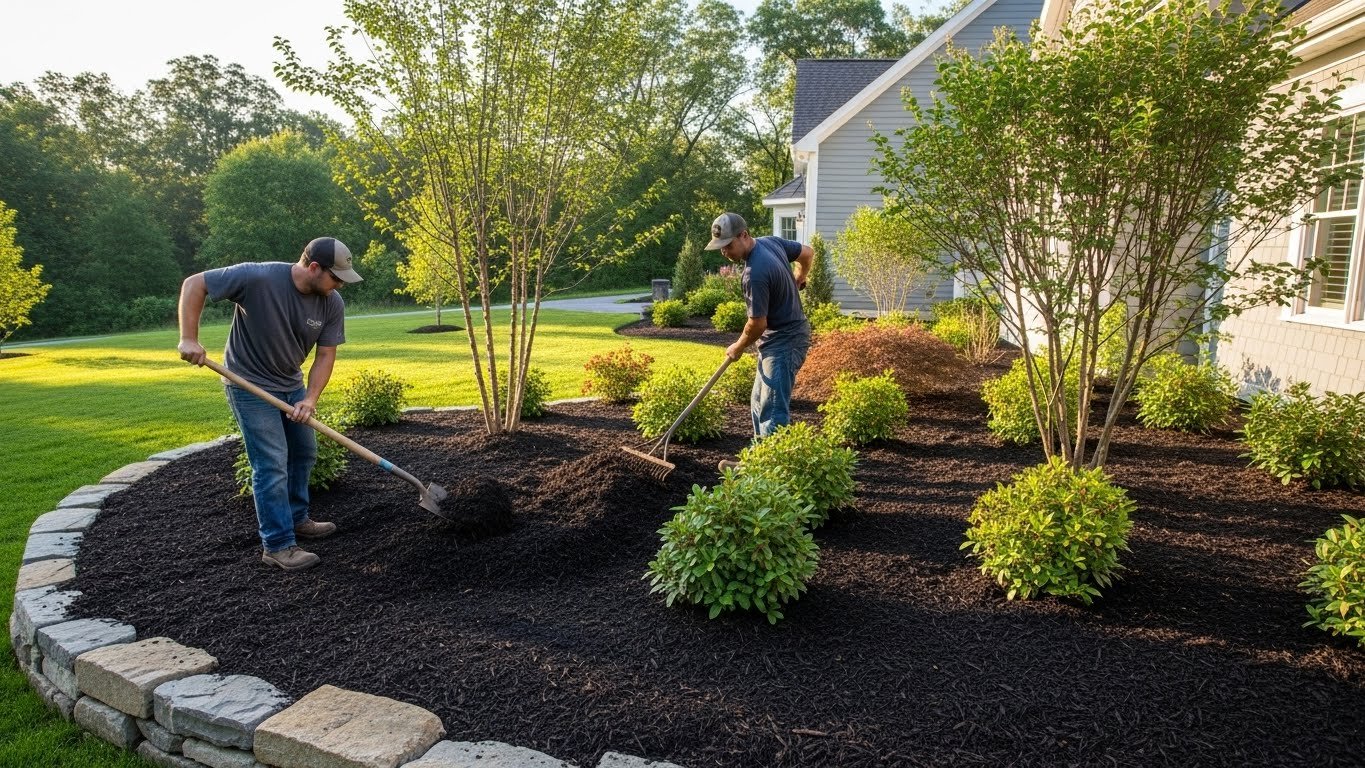
Mulch installation is one of the most effective and aesthetically pleasing ways to enhance gardens, yards, and landscaped areas. While many homeowners and property managers view mulch primarily as a decorative element, its benefits extend far beyond appearance. Proper mulch installation improves soil health, conserves moisture, regulates temperature, reduces weed growth, and protects plant roots. Understanding the importance of mulch, proper installation techniques, and ongoing maintenance is essential for anyone looking to create a thriving, sustainable landscape.
Mulch comes in a variety of materials, including organic options such as wood chips, bark, straw, leaves, and compost, as well as inorganic alternatives like gravel, stones, rubber, and landscape fabrics. Each type of mulch offers unique advantages depending on the intended purpose, climate, and design goals. Organic mulches enhance soil fertility as they decompose, providing essential nutrients for plants, while inorganic mulches are long-lasting, low-maintenance options that are particularly suitable for areas where soil enrichment is not a primary goal.
Benefits of Mulch Install
The benefits of mulch installation are numerous and impact multiple aspects of plant growth and landscape management. One of the primary advantages is moisture retention. Mulch acts as a protective layer over the soil, reducing evaporation and ensuring that plants receive consistent hydration. This is particularly important in hot or dry climates, where water conservation is critical for both environmental and economic reasons.
Mulch also moderates soil temperature. During the summer, it keeps soil cool and prevents heat stress on plant roots, while in winter, it provides insulation against freezing temperatures. This temperature regulation supports healthier root systems, improves plant resilience, and reduces stress caused by extreme weather fluctuations.
Weed suppression is another key benefit. By creating a physical barrier that limits sunlight exposure to weed seeds, mulch installation significantly reduces the need for chemical herbicides or manual weeding. This not only saves labor but also supports environmentally friendly landscaping practices.
Mulch contributes to soil health as well. Organic mulches gradually decompose, adding organic matter that improves soil structure, fertility, and microbial activity. Healthy soil promotes stronger root development, better nutrient absorption, and increased plant growth, resulting in a more vibrant and sustainable landscape.
Planning for Mulch Installation
Effective mulch installation begins with careful planning. The first step is to determine the areas that require mulching, such as flower beds, garden pathways, trees, shrubs, or vegetable gardens. Proper assessment of sunlight, drainage, and soil type ensures that the mulch selected will perform effectively in each location.
Next, selecting the right type of mulch is crucial. Organic mulches like shredded bark or composted wood are ideal for flower beds and garden beds where soil improvement is desired. Straw or leaf mulch works well for vegetable gardens, while decorative bark or colored wood chips provide aesthetic appeal for landscaping features. Inorganic options, such as gravel or rubber mulch, are suitable for pathways, playgrounds, or high-traffic areas where longevity and low maintenance are priorities.
Measuring the area accurately is essential to calculate the amount of mulch needed. Over-application can smother plants and create conditions for pests or mold, while under-application reduces effectiveness. A consistent depth of 2–4 inches is generally recommended for most mulch types to balance moisture retention, temperature regulation, and weed suppression.
Preparing the Area
Before installing mulch, the area must be properly prepared. This typically involves clearing weeds, debris, rocks, and old mulch to create a clean surface. In some cases, a weed barrier or landscape fabric may be laid down to further prevent weed growth, especially in high-maintenance or decorative areas. Proper preparation ensures that the mulch performs optimally and lasts longer.
Edges and borders should also be defined to contain the mulch and prevent it from spreading into unwanted areas. Curved or straight edges, stone borders, or metal edging can help maintain a clean, professional appearance while keeping mulch in place. Proper preparation minimizes maintenance and ensures that the landscape looks neat and organized over time.
Mulch Installation Techniques
Installing mulch effectively requires attention to detail and consistent techniques. For organic mulch, spreading evenly over the soil surface while avoiding direct contact with plant stems or tree trunks prevents rot and pest issues. Mulch should be kept a few inches away from trunks to allow airflow and reduce the risk of disease.
Layering mulch to the recommended depth ensures that its benefits are maximized. A depth of 2–4 inches is ideal for most organic materials, while heavier materials like gravel may require slightly more to achieve the desired effect. Spreading mulch uniformly avoids gaps or thin areas that may reduce moisture retention and weed suppression.
For large-scale installations, machinery or bulk delivery systems may be used to distribute mulch efficiently. This approach is particularly useful for commercial landscaping projects or large gardens, reducing labor time while maintaining consistent coverage. Smaller gardens or residential projects can benefit from manual spreading, ensuring careful placement around plants and features.
Maintenance and Longevity
Proper maintenance extends the benefits of mulch and ensures that landscapes remain healthy and attractive. Organic mulches decompose over time, so periodic replenishment is necessary to maintain the optimal depth. This may be done annually or as needed based on soil and plant conditions.
Regular inspection is important to identify areas where mulch has shifted, eroded, or become compacted. Raking and redistributing mulch restores even coverage and prevents soil exposure. Additionally, removing any debris, leaves, or weeds from the mulch surface helps maintain its effectiveness and appearance.
For inorganic mulches, maintenance typically involves periodic cleaning and occasional replenishment to maintain visual appeal. Gravel or rubber mulch may require occasional raking or adjustment, but generally, these materials are longer-lasting and lower maintenance than organic options.
Environmental and Aesthetic Considerations
Mulch installation in Maypearl offers both environmental and aesthetic benefits. Environmentally, mulch supports water conservation, reduces soil erosion, and enhances soil fertility. It contributes to a healthier ecosystem by improving plant growth and reducing chemical herbicide use. Aesthetically, mulch adds color, texture, and uniformity to landscapes, creating visually appealing gardens and yards.
Mulch can be selected to complement plants, hardscape features, and overall design themes. For example, dark-colored mulch contrasts beautifully with green foliage, while lighter mulch shades can brighten shaded areas. This versatility allows property owners to achieve both functional and decorative goals simultaneously.
Challenges in Mulch Installation
While mulch installation provides numerous benefits, there are challenges that should be considered. Over-mulching can lead to root suffocation, excessive moisture retention, and fungal growth. Using improper mulch types, such as untreated wood with chemicals, may harm plants or soil. Temperature extremes can also affect mulch performance, particularly for organic materials that decompose quickly in hot, wet climates.
Choosing the right mulch and applying it properly mitigates these challenges. Consulting with landscaping professionals or following manufacturer recommendations ensures that mulch installation supports plant health, environmental sustainability, and aesthetic goals.
Conclusion
Mulch installation in Maypearl is a vital practice for creating healthy, beautiful, and sustainable landscapes. From moisture retention and temperature regulation to weed suppression and soil enrichment, mulch provides numerous functional benefits while enhancing visual appeal. By carefully selecting mulch types, preparing the area, applying proper installation techniques, and maintaining the mulch over time, property owners can maximize the benefits of this simple yet powerful landscaping tool.
Whether for residential gardens, commercial landscapes, or public green spaces, a well-executed mulch install contributes to healthier plants, reduced maintenance, and a more attractive environment. By combining practical functionality with aesthetic enhancement, mulch continues to be an indispensable component of modern landscaping, supporting both environmental sustainability and the enjoyment of outdoor spaces for years to come.