Renovating a home is more than just a trend; it is an investment in your lifestyle, comfort, and the long-term value of your property. Whether it involves minor upgrades or major structural changes, home renovation is a journey that requires careful planning, budgeting, and an understanding of both design and functionality. This comprehensive guide explores everything you need to know about transforming your living space, from initial planning to final touches, ensuring that your renovation is efficient, effective, and rewarding.
Understanding the Purpose of Home Renovation
The primary reason people undertake a home renovation is to improve the quality of their living space. Over time, homes naturally wear down or may no longer meet the needs of their occupants. Families grow, lifestyles change, and the aesthetic tastes of homeowners evolve. Home renovation addresses these needs by modernizing interiors, increasing space, improving energy efficiency, and enhancing overall comfort.
Beyond comfort, renovations also have financial incentives. A well-executed renovation can significantly increase the resale value of a property. Upgrades such as modern kitchens, renovated bathrooms, and open-concept layouts are highly attractive to potential buyers. Additionally, smart renovations can reduce maintenance costs and utility bills, creating long-term financial benefits.
Planning Your Home Renovation
Planning is the cornerstone of any successful renovation. Before swinging a hammer or picking paint colors, homeowners must outline their goals, budget, and timeline. Start by evaluating your current living conditions: what works, what doesn’t, and what improvements are essential. Create a list of priorities to distinguish between necessary structural changes and aesthetic upgrades.
Budgeting is equally crucial. Renovations can quickly become costly if not managed carefully. Allocate funds not only for construction and materials but also for professional services, permits, and unexpected contingencies. Experts recommend setting aside 10–15% of your total budget for unforeseen expenses, as this buffer can prevent stress and compromise in the later stages of your project.
Once the goals and budget are defined, research design trends and materials that align with your vision. Collecting inspiration from magazines, online platforms, and home improvement shows can help you clarify your style preferences. This step also allows you to identify practical solutions, such as energy-efficient appliances, space-saving layouts, or durable flooring options.
Choosing the Right Professionals
Hiring the right professionals can make or break a renovation project. While DIY efforts are tempting, large-scale renovations often require the expertise of architects, interior designers, and contractors. These experts bring technical knowledge, creative solutions, and project management skills, ensuring that the renovation is safe, structurally sound, and aesthetically pleasing.
When selecting a contractor, it’s essential to check credentials, experience, and reviews. Ask for references and visit past project sites if possible. Clear communication is critical; ensure that your expectations regarding timeline, budget, and design are understood and agreed upon. Establishing a detailed contract protects both parties and reduces the likelihood of disputes during the renovation.
Common Types of Home Renovation Projects
Home renovation can take many forms, depending on the goals and scope of the project. Some common types include:
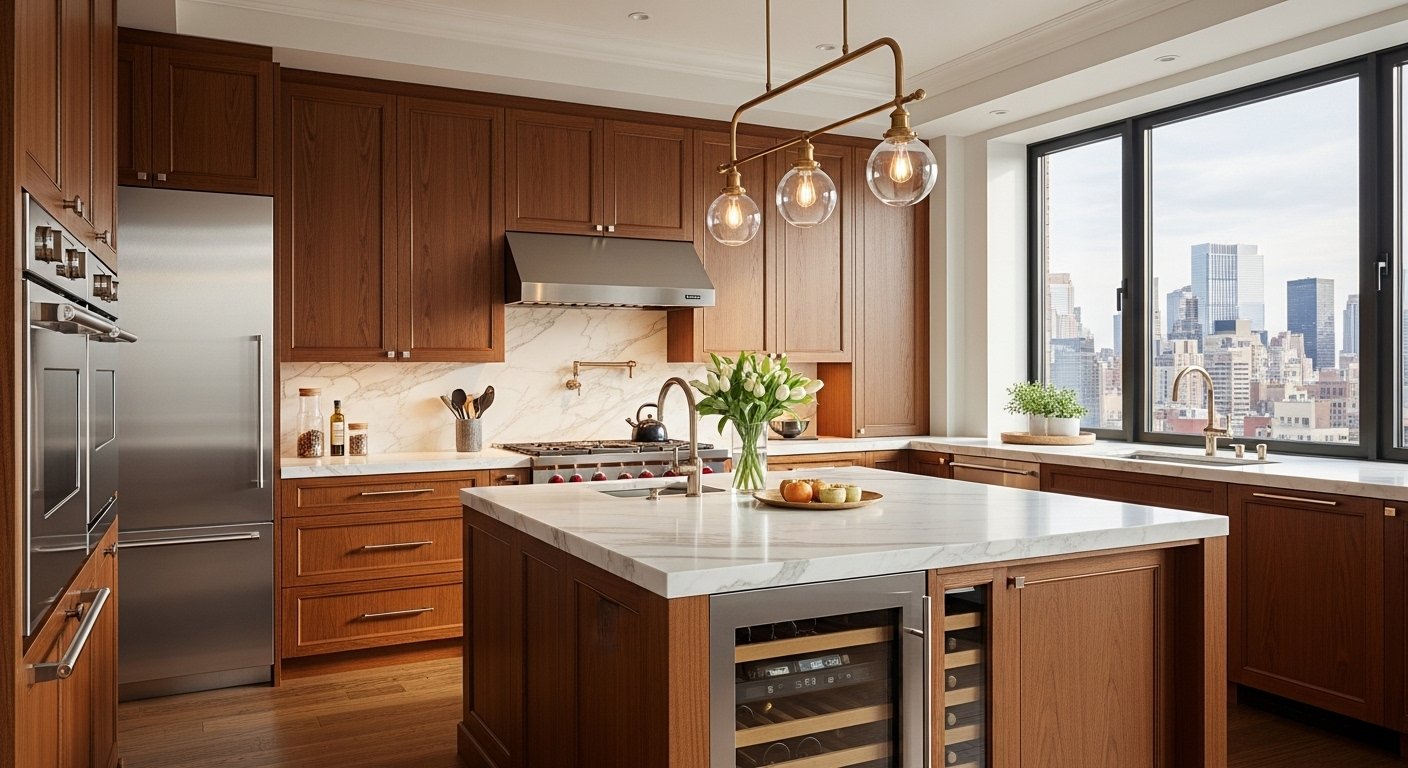
- Kitchen Remodeling: The kitchen is often considered the heart of the home. Renovating this space can involve updating countertops, cabinets, appliances, and lighting. Open-concept designs are popular, creating a more spacious and inviting environment.
- Bathroom Renovation: Bathrooms are high-traffic areas that benefit from modern fixtures, improved ventilation, and enhanced storage. Upgrades such as double sinks, walk-in showers, or freestanding bathtubs can transform the space into a relaxing retreat.
- Basement or Attic Conversion: Converting underutilized spaces adds functional square footage to a home. Finished basements or attics can serve as home offices, gyms, guest rooms, or entertainment areas, maximizing the utility of your property.
- Exterior Improvements: Renovations are not limited to interior spaces. Exterior enhancements, such as landscaping, roofing, siding replacement, or deck installation, improve curb appeal and protect the home from weather-related damage.
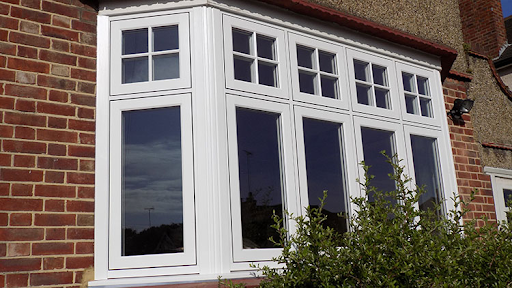
- Energy Efficiency Upgrades: Modern renovations often prioritize sustainability. Installing solar panels, energy-efficient windows, or smart home systems reduces utility costs and environmental impact.
Design Considerations
Design is where functionality meets creativity. Successful home renovation blends practical layouts with visually appealing aesthetics. Start with a cohesive theme that reflects your personal style while complementing the home’s architecture. Popular trends include minimalist designs, farmhouse styles, contemporary modern aesthetics, and eco-friendly interiors.
Lighting plays a critical role in both aesthetics and functionality. Proper lighting can highlight architectural features, improve mood, and create a sense of spaciousness. Combining natural light, ambient lighting, task lighting, and accent lighting ensures a balanced and dynamic environment.
Storage is another essential consideration. Thoughtful storage solutions reduce clutter and enhance organization. Built-in shelving, multifunctional furniture, and under-stair storage are practical ways to maintain a tidy home without compromising on style.
Materials and Sustainability
The choice of materials significantly impacts the durability, cost, and appearance of your renovation. High-quality materials may require a higher upfront investment but offer better longevity and fewer maintenance issues. For example, hardwood flooring, quartz countertops, and ceramic tiles are durable options that withstand daily wear and tear.
Sustainable materials are increasingly popular in modern renovations. Bamboo flooring, reclaimed wood, recycled glass, and low-VOC paints are environmentally friendly choices that also contribute to healthier indoor air quality. Combining sustainability with functionality ensures that your renovation is responsible and future-proof.
Managing the Renovation Process
Once planning and design are complete, executing a home renovation requires careful management. Establish a timeline with milestones and deadlines, allowing for realistic pacing of tasks. Effective project management ensures that contractors, suppliers, and designers work cohesively.
Communication is key during this stage. Regular updates, site visits, and progress reviews prevent misunderstandings and allow for timely adjustments. While minor disruptions and delays are common, maintaining flexibility and a problem-solving mindset reduces stress and keeps the project on track.
Cost Management and Financing
Renovation costs can vary significantly based on project size, materials, and labor. Homeowners should research pricing trends and obtain multiple quotes before committing. Detailed cost breakdowns for materials, labor, permits, and contingencies provide transparency and control over spending.
For those with limited upfront funds, financing options such as personal loans, home equity lines of credit, or renovation-specific mortgages can help distribute costs over time. Prioritizing essential upgrades first and phasing optional improvements ensures that renovations remain financially manageable.
Safety and Compliance
Safety is a non-negotiable aspect of any home renovation. Contractors must adhere to building codes, safety regulations, and permit requirements to ensure structural integrity and prevent accidents. Homeowners should verify that licenses and insurance are valid and that construction practices follow local regulations.
Proper planning also includes addressing potential hazards within the home. Asbestos, lead paint, and mold may be present in older buildings. Identifying and safely managing these risks protects both workers and residents during the renovation process.
Maximizing Value Through Renovation
A strategic home renovation not only enhances comfort but also maximizes property value. Focus on improvements that appeal to future buyers or renters, such as updated kitchens and bathrooms, energy-efficient features, and aesthetically pleasing exteriors.
Curb appeal is often the first impression a home makes. Landscaping, exterior paint, and entryway improvements significantly impact market perception. Similarly, interior renovations that optimize space, functionality, and natural light attract potential buyers and increase resale potential.
Post-Renovation Tips
Once the renovation is complete, it is essential to conduct a thorough inspection to ensure all work meets expectations. Address minor issues promptly to prevent long-term damage. Documenting the process, including receipts, warranties, and before-and-after photos, is valuable for future maintenance or resale purposes.
Maintaining a renovated home is just as important as the renovation itself. Regular cleaning, timely repairs, and seasonal upkeep preserve the beauty and functionality of your improvements. A well-maintained home continues to provide comfort, efficiency, and value for years to come.
Conclusion
Embarking on a home renovation is a transformative experience that enhances both the aesthetics and functionality of your living space. By carefully planning, budgeting, and selecting the right professionals, homeowners can create a personalized environment that reflects their style, meets their needs, and increases property value.
From design and material selection to project management and post-renovation maintenance, each step of the process requires thoughtful consideration and attention to detail. With a strategic approach, your home renovation can be a rewarding journey that not only improves your immediate living conditions but also secures long-term financial and lifestyle benefits.
Whether you are remodeling a single room or undertaking a comprehensive overhaul, the key to success lies in preparation, communication, and the thoughtful execution of your vision. Investing in a home renovation is ultimately an investment in your comfort, happiness, and future, a decision that will enrich your daily life for years to come.
In today’s evolving housing landscape, there is no better time to embrace the possibilities of renovation. From energy-efficient upgrades to luxurious interior designs, every improvement adds value, functionality, and style. Thoughtful planning and execution ensure that your home becomes a true reflection of who you are while offering lasting benefits. A well-executed home renovation is not just a project, it is the foundation of a more comfortable, efficient, and beautiful home.