
Introduction
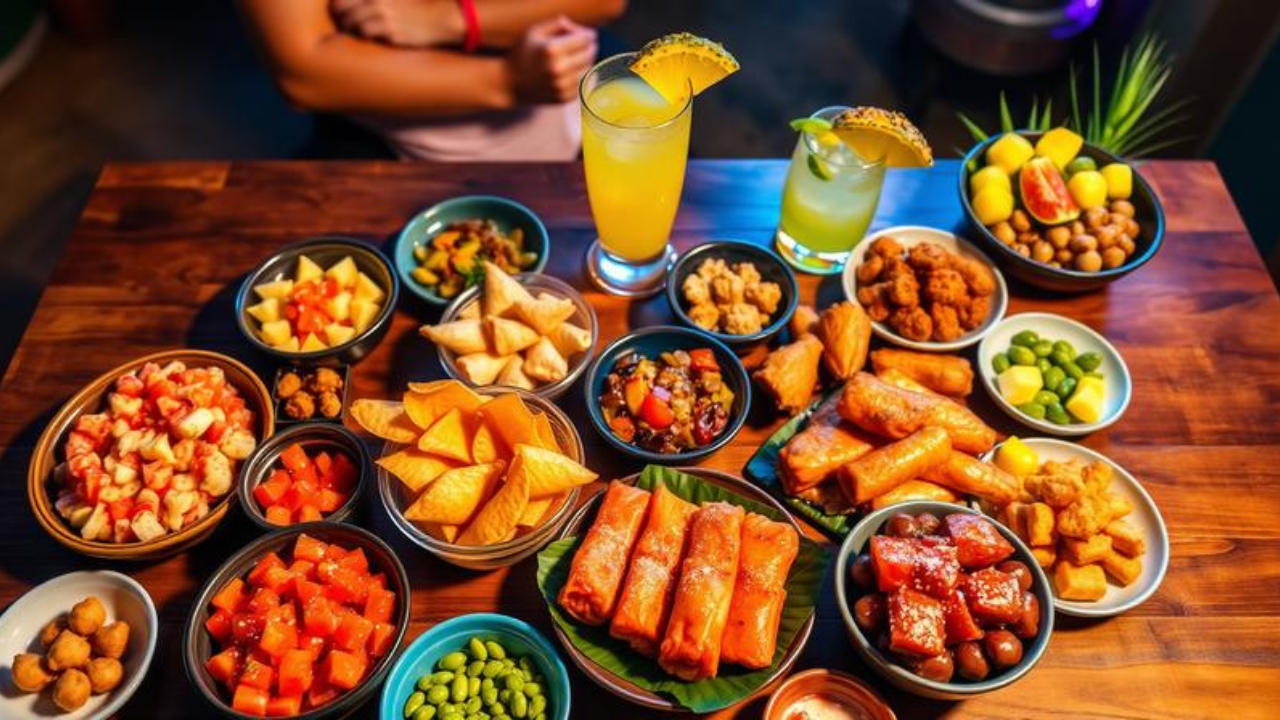
Picture this: you walk into a Hawaiian party, and the first thing that hits you isn’t the music or the conversation—it’s the table. A sprawling, chaotic, impossibly generous spread of small bites that appears the moment the first guest walks through the door. That’s the magic of pupus.
For anyone hosting a gathering—whether it’s a backyard barbecue, a game day party, or a festive luau—the biggest challenge is figuring out what to serve. You want something that feels authentically Hawaiian, feeds a crowd without breaking the bank, and keeps guests hovering around the table long after they’ve arrived. Get it right, and the party practically runs itself. Get it wrong, and people remember. Locals don’t forget a weak pupu spread.
This guide delivers everything you need to know about pupus: what they are, why they matter, how to build the perfect spread, and the common mistakes that can derail your party. By the end, you’ll have the knowledge to create a pupu table that people will talk about long after the last bite is gone.
What Are Pupus?
The Hawaiian Word Explained
Pupu (pronounced “POO-poo,” written pūpū with macrons in Hawaiian) is the Hawaiian term for appetizer, snack, or hors d’oeuvre—any small bite of food served before or alongside a meal. But the word’s roots go much deeper than a simple translation.
In the Hawaiian language, pūpū originally referred to shells and shellfish—the small ocean treasures gathered along the shoreline. Think about it: the earliest “appetizers” in Hawaii were literally what you picked up from the reef while walking the coast—small poke-style bites of raw fish and shellfish, eaten casually before the main meal was prepared. Over time, the word expanded from the food itself to the concept: any small bite meant for grazing and sharing.
Today, pupus encompass both hot and cold appetizers. They can include everything from macadamia nuts and fresh pineapple to wontons, barbecued meats, and the legendary poke. The plural in casual English is pupus—you’ll hear both versions across the islands, and nobody corrects anyone. What matters isn’t the grammar. What matters is that when someone says “come, we get pupus,” you show up.
A Pu Pu Platter
You’ve probably encountered the term pu pu platter at American Chinese or Polynesian-themed restaurants. A pu pu platter is a tray of assorted small meat and seafood appetizers. The Thrillist called it “an amalgam of Americanized Chinese food, Hawaiian tradition and bar food”.
The pupu platter was likely first introduced to restaurants on the U.S. mainland by Donn Beach in 1934 and has since become a standard at most tiki culture restaurants like Trader Vic’s. A typical pu pu platter found in American Chinese cuisine includes egg rolls, spare ribs, chicken wings, chicken fingers, beef teriyaki, fried wontons, fried shrimp, or crab rangoons.
But in Hawaii itself, pupus are so much more than a restaurant appetizer platter. They are a way of life—a party culture built around generosity, variety, and feeding people early.
Why Pupus Matter: The Benefits of This Hawaiian Tradition
1. They Change How People Gather
Pupus aren’t just food—they’re social architecture. They come out before dinner, stretch a party longer, and turn one tray of food into a whole table of grazing, talking, and going back for more. Once you understand that social role, the word carries a lot more weight.
In Hawaii, nobody throws a party and then figures out the food. The food is the party. And the food starts with pupus. Get the pupu table right, and everything else—the drinks, the music, the conversation—falls into place.
2. They Showcase Hawaii’s Multicultural Heritage
A real pupu table pulls from Hawaiian, Japanese, Filipino, Chinese, Korean, and local party food all at once. Walk up to any pupu table in Hawaii, and you’re looking at an edible history lesson:
-
Mochiko chicken → Japanese
-
Lumpia → Filipino
-
Poke → Native Hawaiian, going back centuries
Every type of pupu on the table traces back to a specific community that brought it to the islands—and over time, all of it became local. This mix isn’t confusion. It is the point.
3. They’re Budget-Friendly and Flexible
Pupus are inherently portable, shareable, and scalable. You can serve them hot or cold, make them ahead of time, and adapt them to any budget. Many classic pupus—like Spam musubi, edamame with Hawaiian salt, or furikake chex mix—are inexpensive to make in bulk.
4. They Pair Perfectly with Drinks
Pupus are usually enjoyed with a cold beer or glass of wine. They’re the ideal accompaniment to Hawaii’s famous cocktail hour—especially during pau hana, the Hawaiian happy hour when locals unwind after work.
5. They’re Incredibly Versatile
Pupus can be as simple or as elaborate as you want. From fresh poke with crackers to fried wontons, from lomi salmon on taro chips to kalua pig nachos, the possibilities are endless. There’s a pupu for every palate and every occasion.
Step-by-Step Guide: How to Build the Perfect Pupu Spread
Step 1: Understand Your Audience and Occasion
Before you plan anything, ask yourself:
-
Is this a full meal or just appetizers? If pupus are before a main meal, plan for about 8-10 individual pupu pieces per person. If pupus are the meal (a pupu-style party with no sit-down dinner), double it to 15-18 pieces per person.
-
What’s the vibe? Casual backyard hangout? Full-blown luau? Game day with the crew? Your menu should match the energy.
Step 2: Build Your Spread with the Five Categories
A balanced pupu table isn’t just a pile of appetizers. It has hot things, cold things, salty things, one or two filling bites, and enough variety that people keep circling back. The best pupu spreads feel casual, but they are never accidental.
Here are the five categories every pupu spread needs:
Category 1: Something Fried (Non-Negotiable)
Every pupu spread needs something golden and crispy that people cluster around.
| Option | Best For |
|---|---|
| Fried wontons | Crowds—cheap to make in bulk, universally loved, disappear fast |
| Mochiko chicken | Impressing—that mochiko flour batter creates a crunch regular fried chicken can’t touch |
| Korean fried chicken wings | Both—double-fried, sticky-sweet glaze, the reason nobody leaves early |
Category 2: Something Fresh
You need something cool and bright to balance all the fried and grilled items. Fresh pupus are also the easiest to prep ahead.
| Option | Description |
|---|---|
| Hawaiian-style ahi poke with crackers | The centerpiece of any serious pupu table |
| Two styles of poke | Set out both shoyu poke and spicy ahi poke—let people choose |
| Lomi salmon on taro chips | Refreshing, colorful, bridges traditional Hawaiian food with modern presentation |
Category 3: Something Savory or Grilled
If you’ve got a grill going, this category is your chance to shine. Think shoyu chicken wings, beef teriyaki skewers, or pipikaula—Hawaiian dried beef from the paniolo (cowboy) tradition, salt-cured, sun-dried, then pan-fried or grilled until the edges crisp.
Category 4: Something Portable and Snackable
Keep the small stuff useful. Spam musubi, manapua (steamed buns filled with pork), popcorn, and taro-chip bites make the spread feel local without turning it into a project.
Category 5: Something That Disappears First
Every spread needs one or two dishes that people can’t stop eating. These are often the crowd-pleasers that combine multiple categories—like kalua pig nachos made with crispy wonton pi, tender kalua pork, lomi salmon, and creamy sriracha mayo, or poke nachos with crispy wonton chips loaded with fresh ahi poke, shoyu, and spicy mayo.
Step 3: Include Variety Across Traditions
The best pupu tables draw from multiple traditions. A good rule of thumb: include at least one item from each tradition—something Japanese, something Chinese or Filipino, something native Hawaiian, and something for casual munching.
| Tradition | Classic Pupu Examples |
|---|---|
| Native Hawaiian | Poke, pipikaula, lomilomi salmon |
| Japanese-Hawaiian | Mochiko chicken, edamame with Hawaiian salt |
| Chinese-Hawaiian | Fried wontons, manapua |
| Filipino-Hawaiian | Lumpia |
| Local inventions | Spam musubi, furikake chex mix |
Step 4: Prep Ahead Whenever Possible
Most cold pupus and baked items can be made the morning of and held in the fridge. Fried items are better cooked the same day, but you can prep them, refrigerate, and fry right before guests arrive.
Timing tip: Build the table before guests arrive. The best pupu spreads are ready to go the second people walk in.
Step 5: Presentation Matters
Don’t just pile food on plates. Arrange your pupus so they’re easy to grab and visually appealing. Use platters, bowls, and trays at different heights. Label dishes if you have guests with dietary restrictions. And always provide plenty of napkins and toothpicks—pupus are finger food.
Common Mistakes to Avoid
Mistake #1: Serving Only One Type of Pupu
A spread with nothing but fried food gets heavy fast. A spread with nothing but cold food feels incomplete.
How to avoid it: Use the five-category system. Balance fried, fresh, grilled, snackable, and crowd-favorite items.
Mistake #2: Making Too Little Food
Running out of pupus is a party killer—especially in Hawaii, where generosity is expected.
How to avoid it: For a pupu-only party, plan 6-8 bites per person across 3-5 different items. If pupus are before a full meal, cut that in half and lean on lighter, saltier items so appetites stay open.
Mistake #3: Making Everything Last-Minute
Frying food while guests are arriving means you miss the party.
How to avoid it: Prep everything you can ahead of time. Cold items and baked goods can be made the morning of. For fried items, prep the ingredients, refrigerate, and fry just before guests arrive.
Mistake #4: Forgetting the Drinks
Pupus are meant to be paired with drinks. A great spread without something to wash it down feels incomplete.
How to avoid it: Have cold beer, wine, or tropical cocktails ready. In Hawaii, pau hana (happy hour) and pupus go hand in hand.
Mistake #5: Overcomplicating the Menu
You don’t need twenty dishes. Trying to make everything from scratch can overwhelm you and leave you stuck in the kitchen.
How to avoid it: Pick one strong pick from each of the five categories. Focus on doing those few dishes really well rather than making a dozen mediocre ones.
Mistake #6: Ignoring Dietary Restrictions
Not everyone eats meat, seafood, or gluten. A spread that excludes guests is a spread that fails.
How to avoid it: Include at least one vegetarian or vegan option—edamame with Hawaiian salt, fresh fruit, or taro chips with dip are easy choices. Label dishes clearly.
Mistake #7: Serving Food That’s Hard to Eat
Pupus are finger food—you shouldn’t need a knife, fork, or spoon to enjoy them. If guests need utensils, it’s not really a pupu.
How to avoid it: Stick to bite-sized, grab-and-go items. Skewers, wraps, and handheld bites are your friends.
Frequently Asked Questions
1. What’s the difference between a pupu and an appetizer?
Pupu is the Hawaiian word for appetizer, but locally it leans more social and graze-friendly than plated. Pupus are expected to be shared, picked at slowly, and paired with drinks rather than announced as a formal course. An appetizer might be served individually on a plate; pupus are meant to be passed around and grazed on.
2. How do you pronounce “pupu”?
It’s pronounced “POO-poo”. And yes, mainland visitors laugh when they hear it. Every single time. Locals have heard the joke a thousand times. But once you actually taste what pupus are, you’ll never think of the word the same way again.
3. What are the easiest pupus to make for a party?
The reliable ones that hold well, scale easily, and don’t need last-minute frying are:
-
Spam musubi — the iconic Hawaiian snack
-
Furikake chex mix — salty, crunchy, addictive
-
Edamame with Hawaiian salt — simple and satisfying
-
Shoyu chicken wings — can be made in advance
-
Fresh poke — just buy it pre-made and serve with crackers
4. Can I make pupus ahead of time?
Yes—most of them. Cold pupus and baked items can be made the morning of and held in the fridge. Fried items are better cooked the same day, but you can prep them, refrigerate, and fry right before guests arrive.
5. What’s the history behind pupus?
The word pūpū originally meant shells and shellfish in Hawaiian—the small ocean treasures gathered along the shoreline. The earliest “appetizers” in Hawaii were literally what you picked up from the reef. Over time, the word expanded to mean any small bite for grazing. After European contact and the plantation era, immigrant groups brought their own finger foods—Japanese, Chinese, Filipino, Korean—and all of it became local. Today, pupus are a multicultural food tradition that showcases Hawaii’s incredible diversity.
6. What belongs on a Hawaiian pupu platter?
A useful platter usually mixes:
-
Fried bites (wontons, mochiko chicken)
-
Musubi (Spam musubi is a classic)
-
Seafood or poke-style bites
-
Something meaty (shoyu chicken wings, beef skewers)
-
One or two lighter cold items (lomi salmon, edamame)
The tray should have range—different textures, temperatures, and flavors that keep people coming back for more.
Conclusion
Pupus are far more than just Hawaiian appetizers. They are a celebration of community, culture, and generosity—a tradition that turns any gathering into a party. From the ancient Hawaiian practice of sharing small bites from the reef to the multicultural explosion of flavors that defines modern pupu spreads, these small bites carry a big story.
The key to a great pupu spread is balance and variety. Fry something, chill something, grill something, and always leave room for the crowd favorites. Prep what you can ahead of time. Don’t overcomplicate it. And above all, remember that the food is the party.
Whether you’re hosting a backyard hangout or a full-blown luau, use this guide to build a pupu table that people will remember—and come back to, again and again.
Hungry for more Hawaiian food wisdom? Check out our guide to traditional Hawaiian foods explained, or dive deeper into the history of poke—the most famous Hawaiian food in the world. Subscribe to our newsletter for more island-inspired recipes, party tips, and cultural deep dives delivered straight to your inbox.