On this page
A responsible tourist in Hawaii is a guest who practices mālama — caring for the land, ocean, and community hosting the trip. In practice: respect sacred places and closures, leave beaches untouched, keep distance from protected wildlife, spend with locally owned businesses, and give back through programs like the Hawaiʻi Tourism Authority’s Mālama Hawaiʻi.
Hawaii does not need fewer visitors so much as it needs better ones — that is the consistent message from the state’s residents, its tourism authority, and its cultural practitioners. This guide explains what residents are actually asking for, and how to do it on a real trip.
Why are Hawaii residents ambivalent about tourism?
Residents are ambivalent because tourism is both Hawaii’s economic engine and a daily source of strain. When the pandemic shut the industry down, as many as a quarter of local businesses closed and one of the nation’s lowest unemployment rates flipped into one of its worst — proof of how completely the islands depend on visitors.
Yet dependence has not produced gratitude. The Hawaiʻi Tourism Authority’s 2021 Resident Sentiment Survey found that just over half of residents said tourism brings more benefits than problems — the lowest reading since the survey began in 1998. Residents blamed overcrowding, traffic, environmental damage, and rising living costs. Crucially, the same survey named the remedy: 88 percent of residents said it is important to “educate visitors and residents to mālama (care for, protect) the islands and each other.” The demand is not “stay away.” It is “show up differently.”
What is the paradox at the heart of a Hawaii trip?
The paradox is that the things making Hawaii special — its reefs, quiet beaches, and living Native Hawaiian culture — are the very things most threatened by the crowds flying in to experience them. Tourism researchers have documented this tension since mass tourism reached Hawaii nearly a century ago.
The encouraging shift is that the response is now structural, not just rhetorical. The Hawaiʻi Tourism Authority’s 2020–2025 Strategic Plan pivoted the state from marketing volume to destination management. Its Mālama Hawaiʻi initiative pairs visitors with volunteer work statewide. The Aloha+ Challenge aligns Hawaii’s goals with the United Nations Sustainable Development Goals, and the ʻĀina Aloha Economic Futures Declaration commits businesses to an economy that puts land and people first. Even Hawaiian Airlines joined in: its “Travel Pono” in-flight video, launched in 2021, asks millions of passengers to protect Hawaii’s natural and cultural resources. Traveling responsibly in Hawaii is no longer a niche style — it is the official direction of the industry.
What does traveling pono look like in practice?
Traveling pono — pono means right, proper, in balance — comes down to four habits: respect restricted places, leave nature untouched, spend locally, and give back a few hours. Each one is simple on its own.
How should you treat sacred places and closures?
Treat closures, fences, and kapu signs as absolute, and book managed sites in advance. Hawaii now runs reservation systems at its most pressured places — entry to Diamond Head State Monument, for example, is by advance booking only — because unmanaged crowds were damaging the sites themselves. Heiau (temples) and other cultural sites are living places of worship and history, not photo backdrops: stay on marked trails, never climb on rock walls or structures, and if a place is closed, the correct response is to admire it from where you are allowed to stand.
What should you never take from a Hawaii beach?
Take nothing: no sand, no lava rocks, no coral, no shells that might house creatures. Removing sand and rocks is illegal in Hawaii, depletes beaches grain by grain, and lava rock in particular carries deep cultural significance in Native Hawaiian tradition. Wildlife has legal protection too — NOAA Fisheries advises viewing honu (green sea turtles) from at least 10 feet away and Hawaiian monk seals from at least 50 feet, and approaching either is a federal offense. In the water, float above reef rather than standing on coral, and use reef-safe sunscreen: Hawaii law bans the sale of sunscreens containing oxybenzone and octinoxate because those chemicals damage coral reefs.
How does where you spend money make a difference?
Money spent with locally owned businesses stays in Hawaii; money spent with mainland chains mostly leaves. The practical version is painless: eat where residents eat — start with our guide to Hawaiian food and must-try dishes — hire local guides, buy from Hawaii makers and farmers markets, and choose cultural experiences run by Native Hawaiian practitioners. A lūʻau led by a Hawaiian cultural team, or a fishpond tour run by the community stewarding it, pays the people whose culture you came to experience.
How can you give back during your trip?
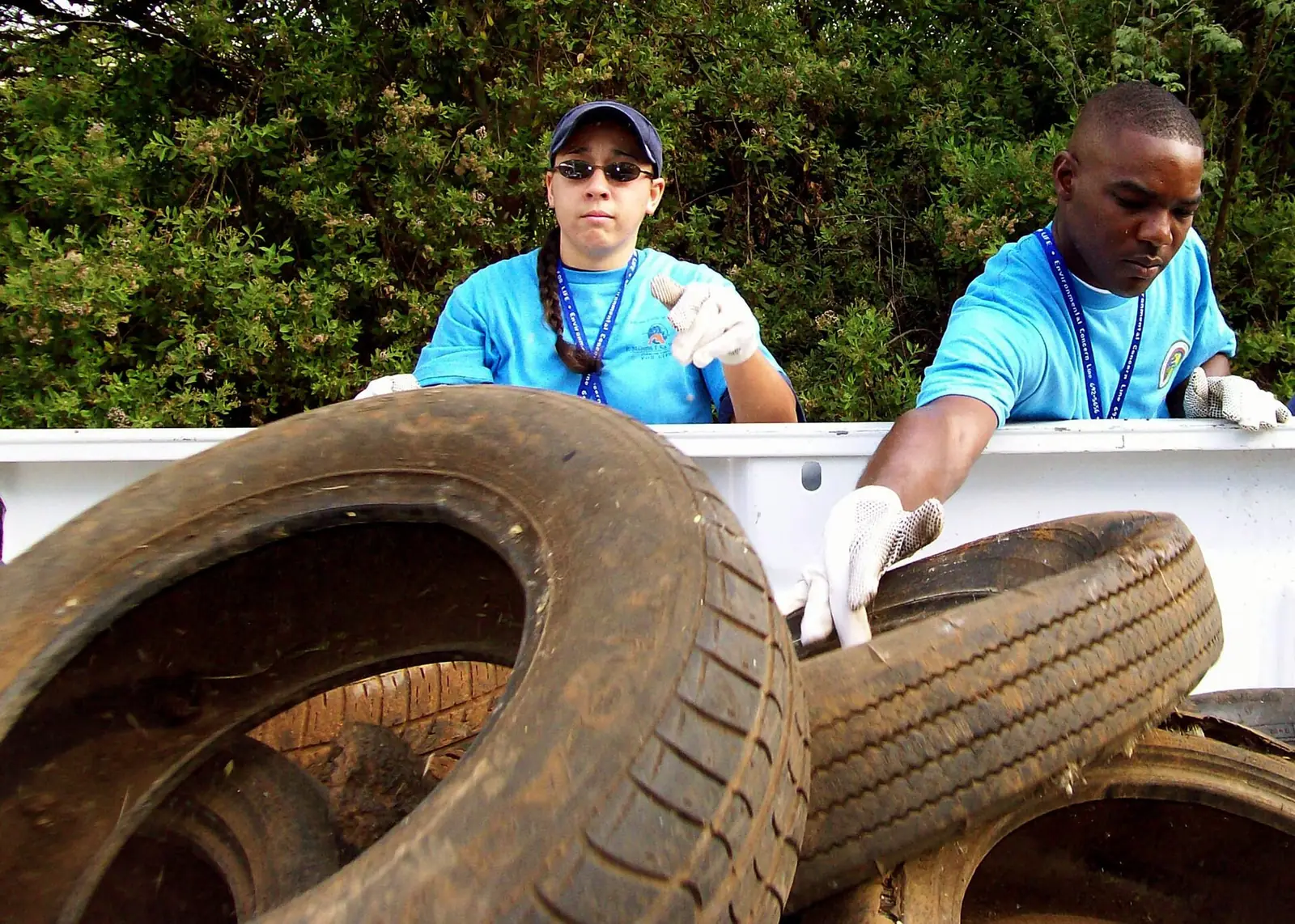
The most direct route is one volunteer morning through the Mālama Hawaiʻi program. Run by the Hawaiʻi Tourism Authority with Kanu Hawaiʻi, the program’s dashboard at GoHawaii.com/malama lists opportunities on every major island — beach cleanups, native tree planting, loʻi kalo (taro patch) work, fishpond restoration, food bank shifts — and many participating hotels thank volunteers with a discounted rate or a free night. Visitors consistently rate that morning among the most memorable parts of their trip.
Which island — and which season — should you choose?
Choosing a less-crowded island or a shoulder season is itself a responsible-travel decision. Each of the Hawaiian Islands has a different character and carrying capacity: Oʻahu absorbs crowds that would overwhelm Molokaʻi or Lānaʻi, and visiting outside peak weeks takes pressure off trails, reefs, and residents alike. Staying longer in one place instead of island-hopping every two days also cuts your footprint while giving one community more of your business. Our Hawaii travel guide walks through the trade-offs island by island.
What is a quick checklist for visiting Hawaii responsibly?
- Learn before you land: read the history, learn a few words of ʻōlelo Hawaiʻi, know why each place matters.
- Book reservations for managed sites (Diamond Head, Hāʻena, Pearl Harbor) before you go.
- Never take sand, rocks, or coral; never touch or approach turtles and monk seals.
- Wear reef-safe sunscreen and stay off the coral.
- Spend with locally owned restaurants, guides, and makers first.
- Give one morning to a Mālama Hawaiʻi volunteer activity.
- Obey every closure, trail sign, and kapu marker — no exceptions for photos.
Frequently Asked Questions
What does mālama mean?
Mālama is a Hawaiian word meaning to care for, protect, and nurture. In the phrase mālama ʻāina — care for the land — it describes the reciprocal relationship at the heart of Native Hawaiian culture: the land feeds the people, so the people protect the land in return.
What is the Pono Pledge?
The Pono Pledge is a visitor commitment created on Hawaii Island in 2018 by the island’s visitor bureau and community partners. Visitors who take the pledge promise to respect Hawaii’s land, ocean, wildlife, and culture during their stay — to be pono, meaning righteous and balanced in conduct, while guests on the island.
Is it okay to visit Hawaii at all?
Yes. Hawaii’s economy depends on visitors, and the Hawaiʻi Tourism Authority’s own Resident Sentiment Survey shows the issue is management, not existence: 88 percent of residents said educating visitors to mālama is important. A visitor who learns the culture, respects closures, spends locally, and volunteers is the kind residents say they want.
What is voluntourism in Hawaii?
Voluntourism means building a volunteer activity into a Hawaii vacation — a beach cleanup, native tree planting, fishpond restoration, or a food bank shift. The Mālama Hawaiʻi program, run by the Hawaiʻi Tourism Authority with Kanu Hawaiʻi, lists searchable opportunities on every major island through GoHawaii.com, and many hotels reward participation with discounts.
What is the single easiest responsible thing a visitor can do?
Learn before you land. Reading Hawaii’s history, learning a few words of ʻōlelo Hawaiʻi, and understanding why a place is sacred or closed does most of the work automatically — informed visitors book the right reservations, obey the signs, spend with local businesses, and leave places exactly as they found them.