
 By Word Whimsy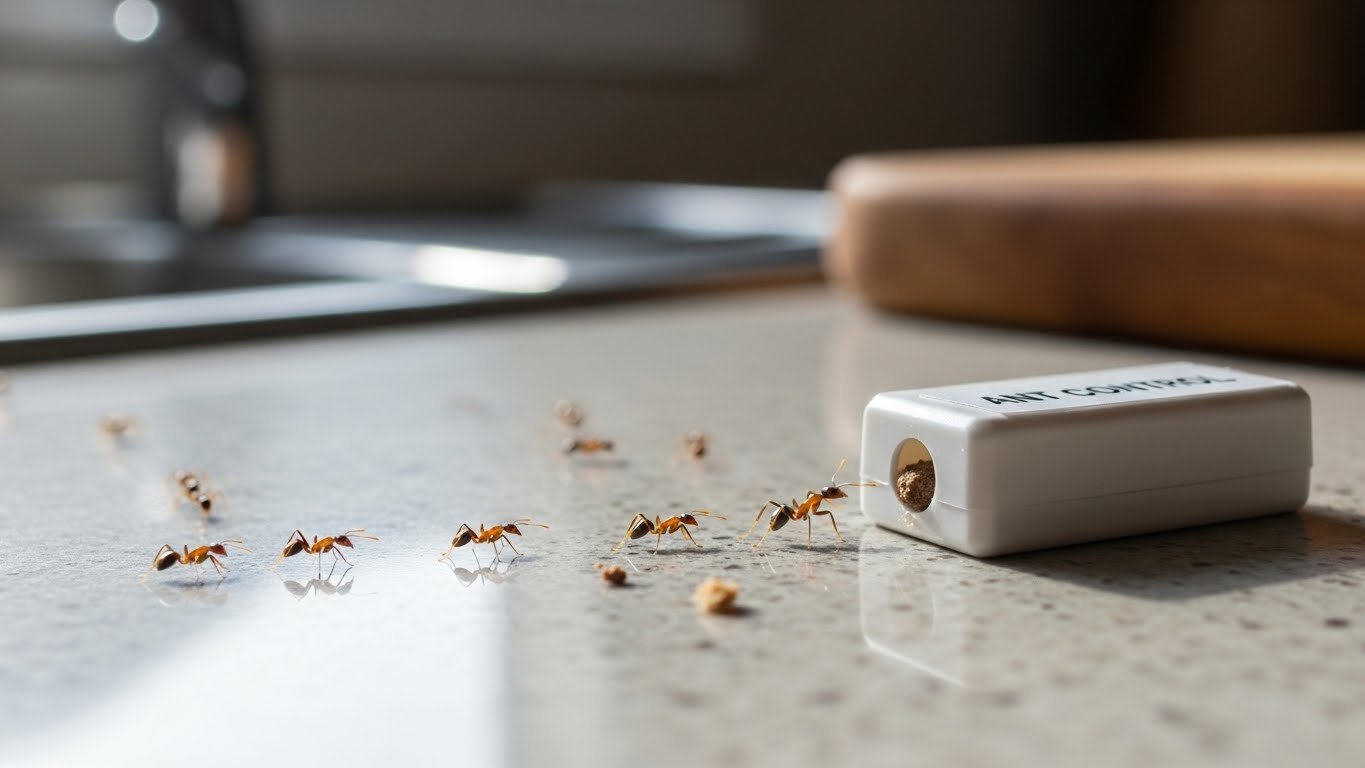
Ants are among the most common household pests, invading kitchens, gardens, and even office spaces. While small, these insects can quickly become a nuisance, contaminate food, and, in some cases, cause structural damage. Managing an ant infestation requires knowledge, preparation, and effective strategies. Implementing proper ant control measures not only helps eliminate existing colonies but also prevents future invasions. Ants are social insects that live in colonies, sometimes numbering in the thousands. They are highly organized and resourceful, which makes eradication a challenge if infestations are left unchecked. While some ants are harmless, others can bite, sting, or spread bacteria, posing health risks. Infestations can damage property, contaminate food, and even affect landscaping. Early detection and proactive management ensure the problem does not escalate, protecting both your home and family.
Common Types of Ants
Not all ants behave the same way. Understanding the species is crucial for effective control. House ants are small and often found indoors searching for food, typically invading kitchens and pantries. Carpenter ants are larger and can damage wooden structures by hollowing them out for nesting. Fire ants are aggressive and deliver painful stings. They are usually outdoors but may enter buildings in search of food. Odorous house ants release a distinct odor when crushed and often infest sugary food sources. Identifying the type of ant helps determine the best control methods and prevent recurring infestations.
Signs of an Infestation
Early detection is key to effective ant control. Homeowners should be vigilant for visible trails of ants, which they often leave to lead others to food sources. Groups of ants around pantry items, pet food, or trash indicate an active infestation. Nests may be located indoors in walls, under floors, or in insulation. Outdoors, ants may build mounds or nest under stones and garden debris. Some ants, particularly reproductive forms, shed their wings during mating seasons, and finding these wings indoors is a sign of potential colonies nearby. Recognizing these warning signs early allows for timely intervention before the infestation spreads.
Methods of Ant Control
Effective ant control requires a combination of methods tailored to the type of ants and the extent of the infestation. Chemical treatments often provide the fastest and most reliable solution. Ant baits attract ants, which carry poisoned food back to their colonies, eventually eliminating the entire colony. Insecticide sprays can target visible ants and nests, offering immediate relief, while granular treatments applied to soil or garden areas help prevent ants from entering buildings. Chemical treatments should always be used carefully, especially in homes with children or pets, to ensure safety.
For homeowners who prefer non-chemical approaches, several natural methods can also be effective. A mixture of vinegar and water sprayed along ant trails disrupts their pheromone paths. Diatomaceous earth is a fine powder that damages ants’ exoskeletons, leading to dehydration over time. Essential oils, such as peppermint, tea tree, and citrus oils, can repel ants when applied near entry points. While these natural remedies can reduce ant activity, they are generally more effective as preventive measures rather than complete solutions for large infestations.
Physical control methods are another important aspect of ant control. Sealing gaps around doors, windows, and pipes prevents ants from entering the home. Proper food storage in sealed containers and cleaning up spills promptly removes attractants. Maintaining overall cleanliness, including sweeping, vacuuming, and wiping surfaces regularly, eliminates crumbs and residues that attract ants. These measures are simple but essential for long-term prevention and complement chemical or natural treatments effectively.
Preventing Future Infestations
Once an ant problem has been resolved, it is important to implement strategies that prevent re-infestation. Regular home inspections, particularly in kitchens, bathrooms, and basements, help detect early signs of ants. Outdoor maintenance, such as trimming vegetation near buildings and removing debris, reduces potential nesting areas. Proper waste management with sealed garbage bins and timely disposal of waste minimizes food sources for ants. Moisture control, including repairing leaks, maintaining gutters, and ensuring proper drainage, eliminates damp areas that attract ants. Preventive practices are critical for maintaining a pest-free environment and reducing the need for repeated chemical treatments.
The Role of Professional Services
While DIY methods can be effective for minor infestations, professional pest control services provide a more comprehensive solution. Experts can accurately identify the ant species and locate hidden nests. They can apply targeted treatments safely and provide long-term prevention plans tailored to the property. Professional services are particularly valuable for severe infestations or infestations involving destructive ants like carpenter ants, which can damage wooden structures.
Homeowners often make errors that reduce the effectiveness of ant control measures. Treating visible ants without addressing the colony only provides temporary relief. Overusing chemicals can be unsafe for humans, pets, and the environment. Failing to monitor for signs of reinfestation allows colonies to reestablish themselves. Neglecting preventive measures, even after eradication, invites ants back into the property. Awareness of these mistakes ensures that ant control in Deluz strategies are both safe and effective.
Conclusion
Ants may seem harmless due to their small size, but their ability to invade homes, contaminate food, and damage property makes them a serious concern. Implementing effective ant control measures, whether through chemical treatments, natural remedies, or preventive strategies, is essential for maintaining a clean and safe living environment. Regular monitoring, early detection, and proactive prevention are the keys to managing ant populations successfully. For persistent or severe infestations, consulting professional pest control services ensures a thorough and lasting solution. By combining proper treatment, vigilant monitoring, and preventive practices, homeowners can protect their properties from the nuisance and damage caused by ants.
Investing time and resources in ant control not only resolves immediate issues but also safeguards the long-term comfort, safety, and value of your home. Taking proactive steps today ensures that these persistent pests do not disrupt your daily life or compromise your property.