Introduction
Imagine standing on a stretch of golden sand where the crowds of Waikiki feel like a distant memory, the water is calm enough for even the smallest children to splash safely, and the legendary Diamond Head volcano rises majestically in the background. The sun paints the sky in brilliant shades of orange and pink as you watch a free fireworks display light up the night. This isn’t a fantasy—it’s Kahanamoku Beach, one of Oahu’s most underrated coastal treasures.
If you’ve ever visited Waikiki and felt overwhelmed by the shoulder-to-shoulder crowds, the relentless noise of busy streets, or the struggle to find a peaceful spot to simply relax, you’re not alone. Many travelers leave Oahu having experienced only the chaos of Honolulu’s most famous beach, missing out on the serene, family-friendly alternative that sits just minutes away.
This comprehensive guide delivers everything you need to know about Kahanamoku Beach—from its fascinating history as the childhood swimming spot of a surfing legend to the best times to visit, the top activities to enjoy, and insider tips that will make your trip unforgettable. Whether you’re planning a family vacation, a romantic sunset date, or simply a day of relaxation away from the masses, this article will equip you with all the knowledge you need to experience this coastal paradise like a true local.
What is Kahanamoku Beach?
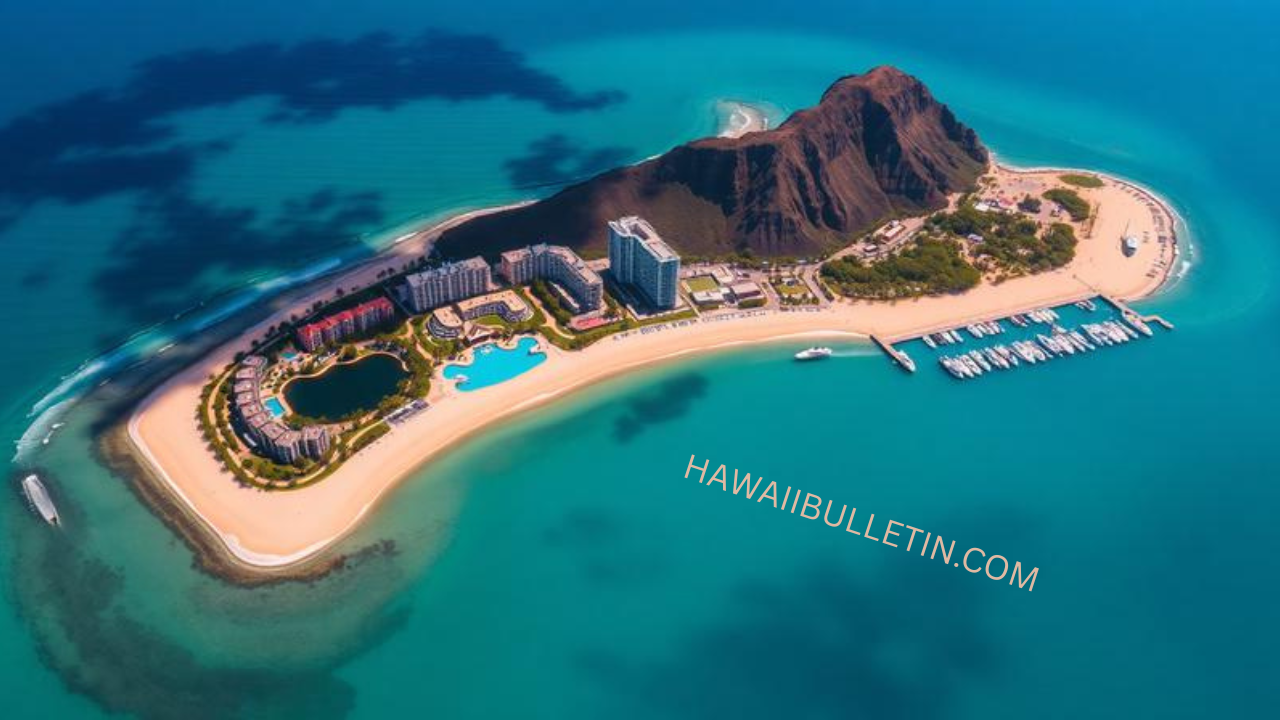
Kahanamoku Beach is a stunning sandy oasis located on the western edge of Waikiki, just 3.2 miles from downtown Honolulu. It fronts the Hilton Hawaiian Village Waikiki Beach Resort and is considered the westernmost beach of the famous Waikiki stretch. What sets this beach apart from its more famous neighbors is its unique combination of natural beauty, historical significance, and family-friendly design.
The Name and Its Legend
The beach takes its name from Duke Paoa Kahanamoku (1890–1968), the legendary Hawaiian surfer, Olympic swimmer, and cultural ambassador. Duke was a master of swimming, surfing, and outrigger canoe paddling. He invented the freestyle (crawl) in swimming and won his first gold medal at the Olympic Games in 1912. His family once owned the land where the Hilton Hawaiian Village now stands, and the beach holds deep personal significance—it’s where Hawaii’s champion surfer and Olympic gold medal winner learned to swim.
On May 29, 1956, the newly created crescent beach adjacent to the Ala Wai Boat Harbor was officially named “Duke Kahanamoku Beach” by resolution. Today, a 9-foot (2.7-meter) bronze statue of Duke stands in the center of Waikiki, often draped in colorful lei and serving as a popular photo stop for visitors.
The Beach Itself
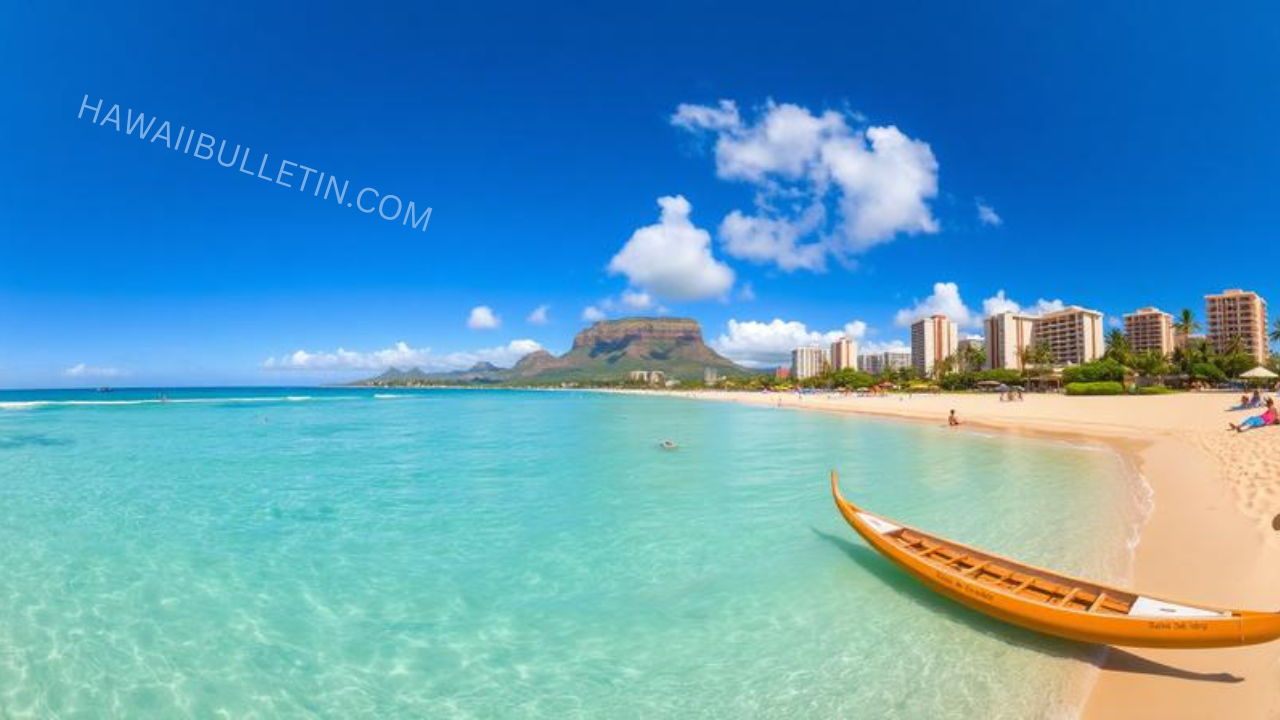
Kahanamoku Beach is the widest part of Waikiki Beach, providing plenty of space to soak up the sun. The beach features a gently sloping, if rocky, bottom, and is protected by an offshore coral reef that keeps waves minimal. This natural protection, combined with a sea wall, creates calm swimming conditions that are perfect for families.
The beach is also home to the Duke Kahanamoku Lagoon, a 5-acre man-made saltwater lagoon that offers even more sheltered swimming opportunities. This lagoon is particularly popular with families with young children.
Location and Access
Kahanamoku Beach is located at the western end of Waikiki, near the Ala Wai Boat Harbor. Public access points are available from Kalia Road, Pahoa Place, and the end of Paoa Place. There’s also access from Holomoana Street, where easy parking is available. The beach operates daily from 6:00 AM to 10:00 PM.
Why Kahanamoku Beach Matters: The Benefits
A Less Crowded Alternative to Waikiki
One of the most compelling reasons to visit Kahanamoku Beach is its relative tranquility compared to the bustling heart of Waikiki. While Waikiki Beach draws millions of tourists each year, Kahanamoku Beach offers a more laid-back alternative. Visitors consistently note that it’s “crowded but not as much as some beaches” and provides a “less crowded and more laid-back alternative to that bustling beach”. It’s the perfect spot for those who want to enjoy the beauty of Waikiki without the overwhelming crowds.
Family-Friendly Environment
Kahanamoku Beach is widely regarded as one of the best family beaches on Oahu. The offshore coral reef and sea wall protect bathers from waves, creating calm, safe swimming conditions. One visitor noted it’s “a safe place to swim… in a protected cover, so there no real waves”. The water is also pretty shallow, making it ideal for children to play.
The adjacent Duke Kahanamoku Lagoon offers even more sheltered waters. This man-made lagoon is described as “a small salty water lagoon ideal to enjoy if you bring small kids”. Families can enjoy swimming, paddleboarding, and even renting large water tricycles to ride around the lagoon.
Stunning Views and Sunsets
The beach offers breathtaking views that captivate visitors from sunrise to sunset. The unmissable shape of Diamond Head looms to the left of the beach, providing a picture-perfect backdrop. To the right, the Ala Wai Boat Harbor shelters mariners from across the Pacific. Visitors frequently highlight the beauty of the surrounding landscape, including the iconic Diamond Head in the background and the picturesque pier where turtles can occasionally be seen. The sunsets here are legendary, with one reviewer describing Kahanamoku Beach as “a true paradise on earth” where “the golden rays dance on the waves, creating a mesmerizing sight”.
Friday Night Fireworks
Every Friday evening, the Hilton Hawaiian Village hosts a free fireworks show that draws visitors from across the island. The show typically starts around 7:45 PM or 8 PM. Watching the fireworks from the beach or even from the water is a magical experience that has become a beloved tradition. One reviewer noted it’s “a great spot for fireworks show every Friday! Also perfect for that sunset watching pictures”.
Wide, Spacious Beach
As the widest part of Waikiki Beach, Kahanamoku offers plenty of space to spread out and relax. Even on busy days, the expansive shoreline means you can find your own patch of sand without feeling cramped. One visitor described it as “wide and expansive” and “one of best in Waikiki, with more room to enjoy the beach than some beaches along the narrower strips”.
Convenient Amenities
The beach’s proximity to the Hilton Hawaiian Village provides convenient access to amenities while maintaining a serene atmosphere. Public toilets and showers are available just off the sand, beside a beach volleyball court. Visitors can also rent umbrellas and beach chairs from the Hilton booth at reasonable prices. Nearby dining options include multiple restaurants, Dairy Queen, and shaved ice stands.
Rich Cultural Significance
Beyond its recreational value, Kahanamoku Beach holds deep cultural importance as the place where Duke Kahanamoku himself learned to swim. Visiting the beach connects modern-day travelers to the legacy of one of Hawaii’s most beloved figures—a man who embodied the spirit of aloha and brought surfing and swimming to the world stage.
Step-by-Step Guide: How to Make the Most of Your Visit
Step 1: Plan Your Timing
Best Time of Year: Summer months offer the most favorable conditions with warm temperatures and calm seas. However, Kahanamoku Beach can be enjoyed year-round.
Best Time of Day: Early mornings offer peaceful tranquility before the crowds arrive. Weekdays are significantly less crowded than weekends. For the best experience, “visit early or during weekdays to avoid crowds from nearby hotels”.
Friday Nights: If you want to experience the famous fireworks show, plan your visit for a Friday evening. Arrive early to secure a good viewing spot, as “Friday nights can get quite busy when the Hilton Hawaiian Village has fireworks”.
Park Hours: The beach is open daily from 6:00 AM to 10:00 PM.
Step 2: Getting There
Address: Honolulu, HI 96815
By Car: The beach is on the western edge of Waikiki, about a 15-minute walk from Waikiki Beach. Use navigation apps for precise directions.
Parking: There is a large paid parking lot just northwest of the beach. It’s pay-by-plate, so you’ll need a credit card. Rates are affordable—one visitor reported paying $1.50 for two hours. There’s also metered parking along the marina.
On Foot: If you’re staying in Waikiki, walking is often the most convenient option.
Step 3: What to Bring
Essential Items:
-
Water shoes or reef shoes (the beach and shallows are extremely rocky)
-
Reef-safe sunscreen to protect both your skin and the marine environment
-
Your own towels, beach chairs, and beach umbrellas (rentals are available but can be pricey)
-
Plenty of water and snacks (though dining options are nearby)
-
Snorkeling gear if you have it—there are fish just off the shore
-
A credit card for parking payments
Optional Items:
-
Camera for capturing the stunning views and sunsets
-
Floaties or water toys for children
-
Beach games for the wide sandy expanse
Step 4: Choose Your Activities
Swimming: The calm, protected waters make swimming safe and enjoyable for all ages. The water is warm and waves rarely get very high. However, be aware that the bottom has “a lot of rocks. Not too many big ones, but smaller rocks, not pebbles. It can make walking in and out of the water slightly painful”.
Snorkeling: The offshore coral reef and clear waters make snorkeling a popular activity. Colorful fish are often spotted near the sandy edges. One visitor reported seeing “quite a few humuhumunukunukuapua’a” (Hawaii’s state fish) near the Hilton pier. However, some visitors note the water “is not that clear. It’s slightly murky”, and snorkeling is rated about 6 out of 10.
Paddleboarding and Kayaking: The calm waters of both the beach and the lagoon are perfect for stand-up paddleboarding and kayaking.
Sunbathing: As the widest beach in Waikiki, there’s plenty of space to lay out your towel and soak up the sun.
Sunset Viewing: The beach offers some of the best sunset views in Waikiki, with Diamond Head providing a stunning backdrop.
Fireworks Watching: Friday nights bring the spectacular Hilton Hawaiian Village fireworks show.
Beach Volleyball: There’s a beach volleyball court just off the sand.
Step 5: Observe Local Etiquette and Rules
-
The beach is public—even if you’re not staying at the Hilton, you’re welcome to enjoy it
-
Protect the water by wearing reef-friendly sunscreen or a swim shirt
-
Avoid diving into the water due to hidden large rocks
-
Keep noise levels reasonable to maintain the peaceful atmosphere
-
Don’t leave anything in your car—parking areas can attract thieves
-
Watch out for vendors who may ask for personal information after purchase
Common Mistakes to Avoid at Kahanamoku Beach
Mistake 1: Not Wearing Water Shoes
This is perhaps the most common and painful mistake visitors make. “The beach and shallows are extremely rocky, so wear water shoes”. One reviewer warned: “Bring beach shoes or slippers to protect your feet from small sharp rocks in some areas of the water”. The rocky bottom can make walking in and out of the water “slightly painful”. Don’t let a preventable injury ruin your day—pack those water shoes!
Mistake 2: Expecting Crystal-Clear Water
While the water is suitable for snorkeling, it’s not always crystal clear. Some visitors are disappointed by the visibility. One reviewer noted: “Drawbacks are that the water is not that clear. It’s slightly murky”. The lagoon, being man-made, often has even poorer visibility. Come with realistic expectations—the experience is about relaxation and family fun, not world-class snorkeling.
Mistake 3: Arriving Too Late on Fridays
Friday nights are magical for the fireworks show, but they also draw huge crowds. One visitor described it as “crazy crowded”. If you want a good spot, arrive early in the evening. The beach “gets busy on Friday nights as people search for the perfect spot to watch the spectacular fireworks display”.
Mistake 4: Forgetting Sun Protection
While there are some palm trees that provide shade, “not enough, so either bring your own umbrella or spend a hefty price renting one”. The Hawaiian sun is intense, and the wide, open beach offers little natural shade. Bring your own umbrella, wear a hat, and apply reef-safe sunscreen regularly.
Mistake 5: Assuming the Lagoon Has Great Snorkeling
The Duke Kahanamoku Lagoon is a man-made saltwater lagoon. While it’s beautiful and family-friendly, it’s not a prime snorkeling destination. One visitor reported: “I went swimming and snorkeling in the lagoon, but the visibility wasn’t that good and I didn’t see any fish. The Lagoon is man-made so I wasn’t expecting to see much”. Save your snorkeling for the ocean side of the beach.
Mistake 6: Overlooking Safety Warnings
With no mention of lifeguards, visitors must take personal responsibility for their safety. The beach has “hidden large rocks” that make diving dangerous. Also, be aware of high tide alerts—one family had to “scurry” when a high tide alert was issued. Always supervise children closely, especially near the water.
Mistake 7: Not Bringing Cash or Card for Parking
The parking lot is pay-by-plate and requires a credit card. “Bring a credit card to pay for parking”. If you arrive without a way to pay, you may find yourself scrambling to find alternative parking or missing out on the experience entirely.
Mistake 8: Expecting Complete Seclusion
While Kahanamoku Beach is less crowded than Waikiki, it’s still a popular destination. “While not as crowded as Waikiki Beach, Duke Kahanamoku Beach can get busy”. If you’re seeking complete solitude, visit early on a weekday morning.
Frequently Asked Questions
1. Is Kahanamoku Beach good for swimming?
Yes, the beach offers excellent swimming conditions. The offshore coral reef and sea wall protect the area from waves, creating calm, safe waters. One visitor noted it’s “a safe place to swim. It’s in a protected cover, so there no real waves”. The water is also pretty shallow, making it ideal for families with children. However, be aware that the bottom is rocky, so wear water shoes.
2. Is there parking at Kahanamoku Beach?
Yes, there is a large paid parking lot just northwest of the beach. It’s pay-by-plate, so you’ll need a credit card. Rates are affordable—one visitor reported paying $1.50 for two hours. There’s also metered parking along the marina. However, parking in Waikiki can be tough, so visitors staying in Waikiki are better off visiting on foot (it’s about a 15-minute walk from Waikiki Beach).
3. What are the beach hours?
Kahanamoku Beach is open daily from 6:00 AM to 10:00 PM.
4. Is Kahanamoku Beach family-friendly?
Absolutely. The calm, protected waters make it ideal for families with children. The adjacent Duke Kahanamoku Lagoon offers even more sheltered swimming. One reviewer noted the lagoon is “a small salty water lagoon ideal to enjoy if you bring small kids”. The wide beach provides plenty of space for kids to play, and amenities like restrooms and showers are conveniently located.
5. Are there lifeguards at Kahanamoku Beach?
Based on available information, there is no mention of lifeguards on duty. Visitors should exercise caution when entering the water and supervise children at all times. The beach has “hidden large rocks” that make diving dangerous, so always enter the water carefully.
6. What is the Duke Kahanamoku Lagoon?
The Duke Kahanamoku Lagoon is a 5-acre man-made saltwater lagoon located adjacent to the beach. It offers calm, sheltered waters that are perfect for families with young children. Visitors can swim, paddleboard, and even rent large water tricycles to ride around the lagoon. However, the lagoon is man-made, so snorkeling visibility is limited.
7. When are the Friday fireworks?
Every Friday evening, the Hilton Hawaiian Village hosts a free fireworks show. The show typically starts around 7:45 PM or 8 PM. It’s a spectacular experience that draws crowds, so arrive early to secure a good viewing spot.
8. Is the beach free to visit?
Yes, Kahanamoku Beach is free and open to the public. You only need to pay for parking if you drive. The beach fronts the Hilton Hawaiian Village but welcomes all visitors.
Conclusion
Kahanamoku Beach offers a perfect blend of natural beauty, historical significance, and family-friendly recreation that sets it apart from the crowded shores of Waikiki. Named after the legendary Duke Kahanamoku, this wide, sandy oasis provides calm, protected waters ideal for swimming and snorkeling, stunning views of Diamond Head, and the magical experience of Friday night fireworks.
Whether you’re planning a family vacation, a romantic sunset date, or simply a day of relaxation, Kahanamoku Beach delivers an authentic Hawaiian experience without the overwhelming crowds. Its convenient amenities, accessible location, and rich cultural heritage make it a must-visit destination for anyone exploring Oahu.
So pack your water shoes, grab your reef-safe sunscreen, and discover why Kahanamoku Beach has become one of Waikiki’s most treasured spots. Experience the magic of this coastal paradise for yourself, and you’ll understand why visitors return again and again to this hidden gem at the edge of Waikiki.
Looking for more hidden gems on Oahu? Check out our guide to the best family-friendly beaches in Hawaii and start planning your perfect island adventure today!