
 By Word Whimsy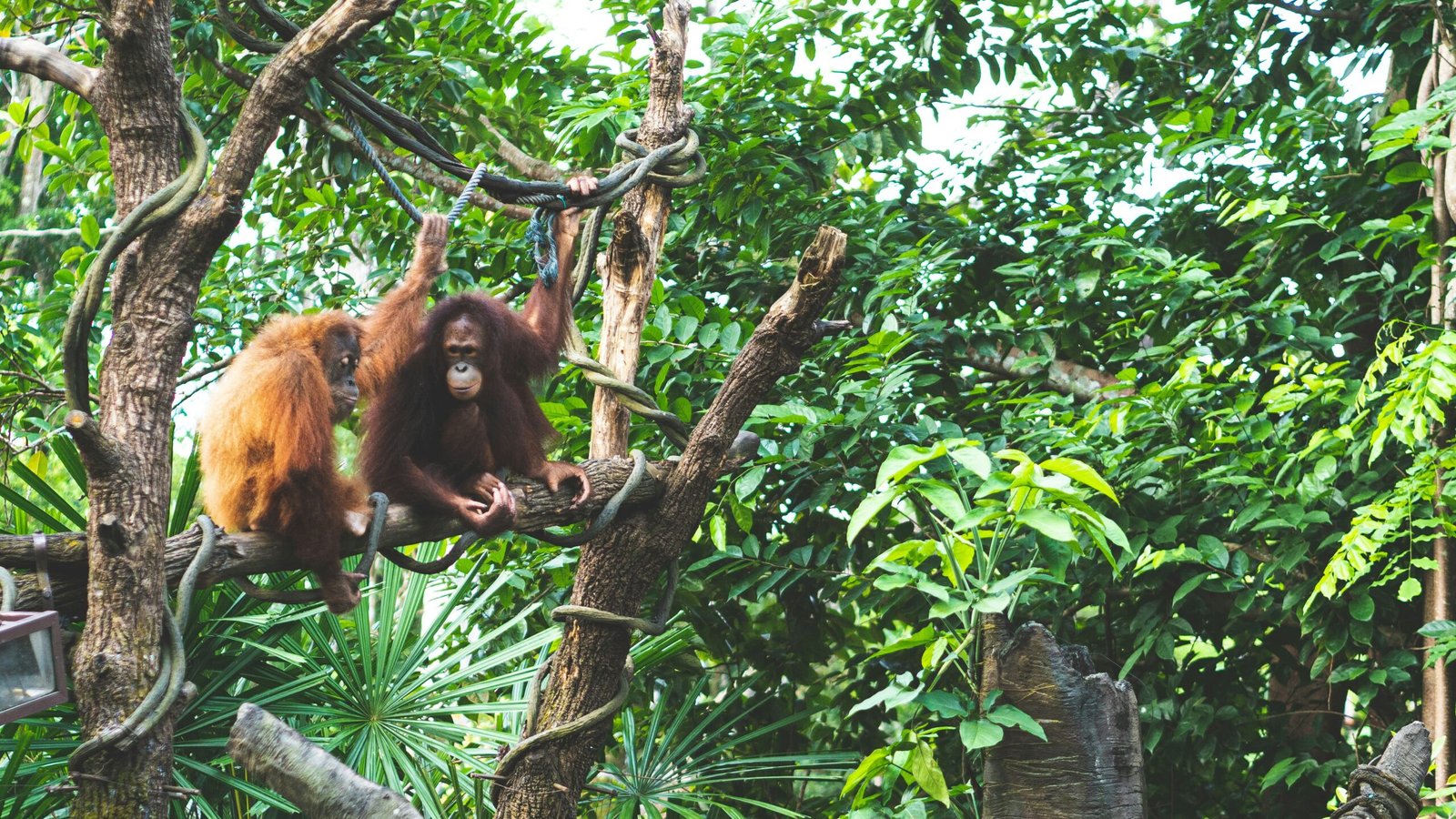
takinMeet the orangutan, one of nature’s most captivating creatures. With their striking red fur and expressive faces, these intelligent primates have captured our hearts and curiosity for centuries. Found primarily in the lush rainforests of Borneo and Sumatra, orangutans are not just remarkable for their appearance; they possess a complex social life and advanced problem-solving skills.
As we delve deeper into their habitat and lifestyle, you’ll discover what makes the orangutan truly unique. From their diet to communication methods, each aspect reflects their adaptability in an ever-changing environment. Join us on this journey to learn more about these fascinating beings who share our planet—and why protecting them is crucial for biodiversity!
Meet the Orangutan: A Closer Look at Their Habitat and Lifestyle
Orangutans thrive in the tropical rainforests of Southeast Asia, primarily on the islands of Borneo and Sumatra. These dense jungles provide essential resources such as food and shelter. Their arboreal lifestyle allows them to navigate effortlessly through trees, where they spend most of their time foraging.
These primates are mostly solitary, with adult males often roaming alone while females typically care for their offspring. They possess a remarkable ability to adapt to various habitats within the rainforest, showcasing their resilience in a rapidly changing world.
Fossil record
The fossil record of orangutans reveals their long and complex history. Evidence shows that they diverged from other great apes around 15 million years ago. Fossils discovered in Southeast Asia provide insights into their evolution and adaptation.
Interestingly, these fossils suggest that ancient orangutans ranged more widely than today, with some species even inhabiting mainland Asia. As researchers continue to study these remnants, we gain a deeper understanding of how environmental changes shaped the lives of these remarkable primates over millennia.
Diet and feeding
Orangutans primarily thrive on a fruit-based diet, favoring ripe and seasonal varieties. Their strong jaws and teeth enable them to consume tough-skinned fruits like durians and mangosteens. They also eat leaves, bark, flowers, and occasionally insects for added nutrition.
These intelligent apes spend most of their time foraging in the treetops. They exhibit remarkable skill in locating food sources high up in the canopy. This dietary expertise contributes significantly to their survival within the lush rainforests they inhabit.
Social life
Orangutans have a unique social structure. They are primarily solitary animals, with adult males often living alone. However, females tend to stay close to their offspring, creating strong maternal bonds.
Occasionally, orangutans may gather in small groups around abundant food sources. These interactions can be brief but highlight their adaptable nature. While they value solitude for feeding and resting, these moments of socialization reflect the complexity of their relationships in the wild.
Communication
Orangutans have a sophisticated communication system that includes vocalizations, gestures, and facial expressions. They use various calls to convey messages such as alarm signals or mating readiness.
These intelligent primates can also mimic sounds from their environment, showcasing their cognitive abilities. Additionally, they engage in social learning by observing one another’s behaviors, which strengthens their bonds and enhances group cohesion. Through these methods, orangutans effectively express themselves and interact with others in their habitat.
Reproduction and development
Orangutans have a slow reproduction rate. Females typically give birth every six to eight years after a gestation period of about 230 days. This long interval is due to the significant investment mothers make in raising their young.
Infants are born with a strong grasp reflex, allowing them to cling tightly to their mother’s fur. They remain dependent on her for several years, learning vital survival skills and social behaviors that will shape their future interactions within their communities.
Nesting
Orangutans are expert nest builders. Each evening, they create cozy nests in trees using leaves and branches. This skill keeps them safe from predators while providing a comfortable sleeping space.
These nests can be quite elaborate, often built high above the ground. Adult orangutans may build multiple nests throughout their territory. Young ones learn to construct their own as part of growing up, showcasing the species’ remarkable adaptability and intelligence in navigating their forest homes.
Tool use and culture
Orangutans are remarkable for their ability to use tools, showcasing their intelligence and adaptability. They have been observed using sticks to extract insects from tree bark or to reach fruit that is otherwise out of reach. This behavior highlights their problem-solving skills.
Moreover, orangutan tool use can vary among different populations, indicating cultural differences. Young ones learn by watching older individuals, ensuring that these techniques are passed down through generations. This rich culture adds another layer to our understanding of these fascinating creatures.
Personhood
Orangutans have sparked important discussions about personhood due to their advanced cognitive abilities and emotional depth. Many researchers argue that these great apes possess self-awareness, empathy, and the capacity for complex thought, traits often associated with human beings.
Legal recognition of orangutans as persons has emerged in various contexts, advocating for their rights and well-being. This debate emphasizes the need to protect their habitats and ensure ethical treatment. The more we understand them, the clearer it becomes that they deserve consideration beyond mere classification as animals.
In fiction
Orangutans have inspired various fictional works, capturing the imagination of authors and filmmakers alike. Their unique appearance and intelligent behavior often symbolize a connection to nature or humanity’s more primal instincts.
In literature, they appear in stories that explore themes of conservation, friendship, or even adventure. Films like “The Jungle Book” showcase their playful spirit while highlighting the beauty of their natural habitat. These portrayals help raise awareness about orangutan conservation efforts, making them memorable characters beyond mere fiction.
In captivity
Orangutans in captivity often face unique challenges. Many live in zoos or sanctuaries where their environment is controlled, leading to a life vastly different from the wild. This can impact their mental and physical well-being.
Efforts are made to provide enrichment activities that mimic natural behaviors. However, they still struggle with boredom and stress due to limited space. Rehabilitation programs aim to prepare some for reintroduction into the wild, highlighting the importance of fostering their instinctual skills while ensuring proper care in captivity.
Status and threats
Orangutans are critically endangered, with their populations declining rapidly due to habitat loss and poaching. Deforestation for palm oil plantations has decimated vast areas of their natural rainforests, reducing their living space significantly.
Additionally, illegal wildlife trade poses a severe threat. Young orangutans are often captured and sold as efforts face immense challenges as these magnificent creatures struggle to survive in increasingly fragmented habitats, making it crucial for us to act now to protect them.
Conservation centres and organisations
Takin about efforts play a crucial role in the survival of orangutans. Numerous organizations are dedicated to protecting their habitats and promoting rehabilitation programs for those displaced by deforestation. The Borneo Orangutan Survival Foundation and the Orangutan Conservancy are leading initiatives focused on reforestation, education, and community involvement.
These conservation centers not only care for orphaned or injured orangutans but also work tirelessly to raise awareness about the threats they face. By supporting these organizations, we can all contribute to ensuring a safer future for these incredible creatures. Each small action helps preserve their existence in the wild where they belong.