 By Word Whimsy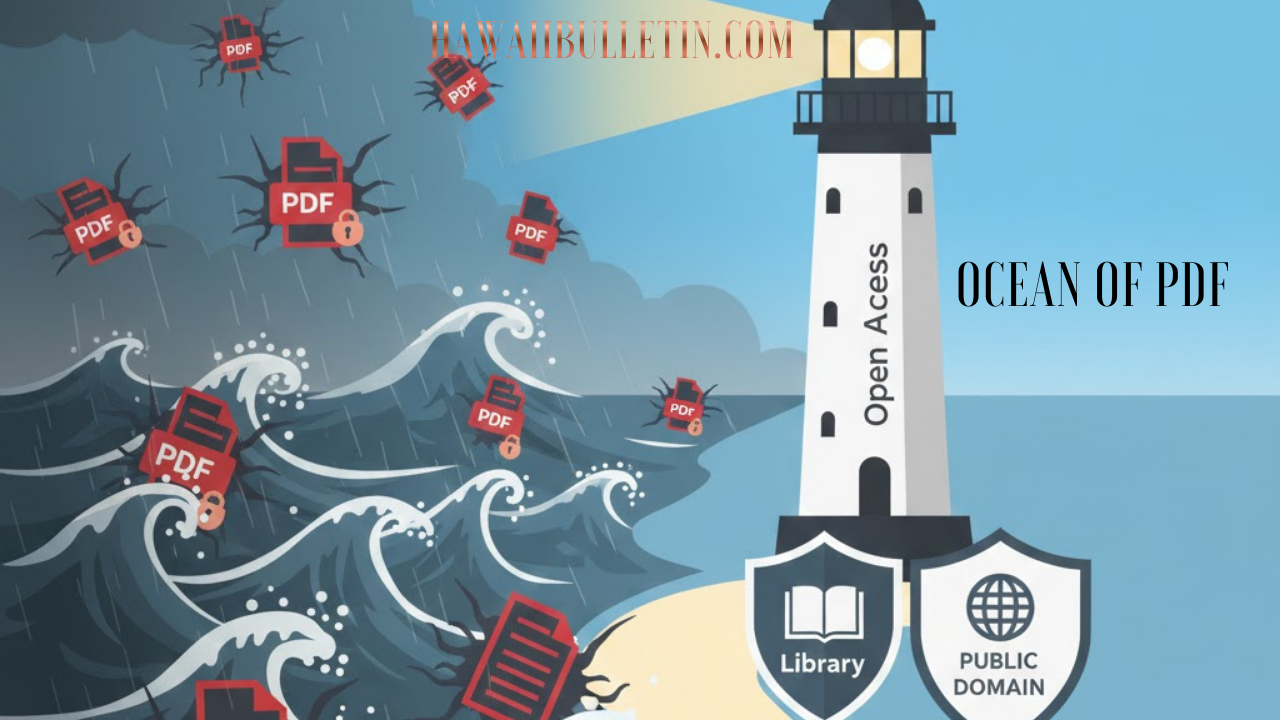
In the vast digital landscape, few resources have democratized access to information as profoundly as the humble PDF. For students, researchers, and curious minds worldwide, the dream is a vast, searchable, and free digital library—a veritable Ocean of PDF where any book, article, or document is just a click away. This concept has given rise to websites and online repositories that promise exactly that: an endless sea of knowledge. But navigating these waters requires caution, awareness, and an understanding of the broader ecosystem. This article explores the phenomenon of these digital libraries, their appeal, their legal and ethical implications, and how you can access information responsibly.
What is the “Ocean of PDF” Phenomenon?
The term “Ocean of PDF” often refers to websites or online portals that host massive collections of PDF files, typically comprising textbooks, academic papers, novels, and manuals. These sites position themselves as free alternatives to paid services, catering to individuals who might not have institutional access to expensive journal subscriptions or the means to purchase every required textbook.
Their appeal is undeniable. Imagine needing a specific out-of-print textbook for a research project, or a seminal novel for a literature class, and finding it available for free download within seconds. This access can feel empowering, breaking down financial and geographical barriers to education and information. For many, these sites represent a protest against the high cost of academic materials and the perceived gatekeeping of knowledge by large publishers.
The Allure: Why These Digital Repositories Are So Popular
The popularity of sites like the conceptual Ocean of PDF isn’t accidental. It’s driven by several key factors:
-
Cost Savings: Academic textbooks and professional journals can be prohibitively expensive. Free access is a powerful motivator for students and professionals on tight budgets.
-
Convenience and Instant Access: The ability to search, download, and immediately begin reading a document is a significant advantage over waiting for physical delivery or traveling to a library.
-
Comprehensive Collections: Some repositories boast staggeringly large collections, creating a one-stop-shop for diverse research needs.
-
Accessibility for the Global Community: For individuals in regions with underfunded libraries or limited academic infrastructure, these sites can be a lifeline to current research and literature.
Navigating Murky Waters: The Legal and Ethical Concerns
While the promise of free knowledge is compelling, it’s crucial to understand the significant legal and ethical issues surrounding many sites that operate as an ocean of PDF documents.
Copyright Infringement: The vast majority of books and recent academic papers are protected by copyright. Uploading and distributing these files without permission from the copyright holder (usually the author or publisher) is illegal in most countries. Sites that host such content are often operating in violation of intellectual property laws.
Security Risks: These websites are frequently riddled with intrusive advertising, pop-ups, and may host files that contain malware. Clicking on deceptive download buttons can lead to unwanted software installations or security vulnerabilities.
Unreliable Quality: There’s no guarantee of file quality. You might encounter poorly scanned documents, missing pages, corrupted files, or outdated editions, which can hinder learning and research.
The Impact on Creators: When books and articles are downloaded for free from unauthorized sources, authors, researchers, and publishers are deprived of royalties and revenue. This can undermine the very ecosystem that produces the content we value, potentially reducing the diversity and quality of future publications.
Responsible Alternatives: How to Access PDFs Legally and Ethically
Thankfully, the desire for accessible knowledge is being met by a growing wave of legitimate alternatives. You don’t have to venture into questionable waters to find a rich source of PDF files. Here are ethical and legal ways to build your digital library:
1. Institutional and Public Libraries
Your greatest ally is your library. Most public and university libraries subscribe to extensive digital databases.
-
E-book Lending Services: Platforms like OverDrive and Libby allow you to borrow e-books and PDFs directly to your device using your library card.
-
Academic Databases: Libraries provide free access to paid databases like JSTOR, ProQuest, Elsevier ScienceDirect, and many more, containing millions of peer-reviewed articles and books.
2. Open Access Repositories
The Open Access movement champions free, legal, and unrestricted online access to scholarly research.
-
Directory of Open Access Journals (DOAJ): A community-curated list of high-quality, open access, peer-reviewed journals.
-
arXiv & PubMed Central: Subject-specific repositories for physics, mathematics, computer science, and life sciences/biomedical literature.
-
University Digital Archives: Many universities host open-access repositories for their students’ theses and faculty’s research publications.
3. Author and Publisher Sanctioned Platforms
Many creators want their work to be accessible.
-
Author Websites: Authors often share sample chapters, articles, or even full versions of older works on their personal sites.
-
Publisher Fronts: Some publishers, like Springer, offer free access to selected chapters or older editions as promotional material.
4. Legitimate Free E-book Platforms
-
Project Gutenberg: Offers over 70,000 free e-books, focusing on works whose U.S. copyright has expired (classic literature).
-
Google Books: Provides previews and, in many cases, full views of books that are out of copyright or where the publisher has granted permission.
-
Open Library: An initiative of the Internet Archive, it aims to create “one web page for every book ever published,” with lending options for many titles.
Best Practices for Your Digital Research
To make the most of the legitimate PDF resources online, adopt these habits:
-
Start with Your Library: Always check your institutional or local public library’s digital portal first.
-
Use Advanced Search Operators: When using Google Scholar or regular search engines, add “filetype:pdf” along with your keywords to find openly available PDFs from university websites or open repositories.
-
Verify the Source: Ensure the website you’re downloading from is legitimate. A .edu or .gov domain is usually a trustworthy indicator for academic and government publications.
-
Check Copyright Status: Understand copyright basics. In many jurisdictions, works enter the public domain decades after the author’s death.
-
Support Creators: When possible, purchase books or subscribe to services that fairly compensate authors and publishers. This ensures the continued creation of quality content.
Conclusion: Sailing Towards Ethical Knowledge
The metaphor of an ocean of PDF captures our collective aspiration for unbounded, free access to human knowledge. While unauthorized sites tap into this desire, they come with substantial risks and ethical compromises. The good news is that the landscape of legal, free, and open-access information is richer and more robust than ever before.
Ready to dive into a world of legitimate knowledge? Your journey starts here.
Call to Action:
-
Rediscover Your Library: Visit your local public library’s website today and sign up for a digital library card. Explore their e-book and database collections—you might be surprised by the wealth of free resources available at your fingertips.
-
Join the Conversation: Are you passionate about open access to information? Share your favorite legitimate research tools or ethical alternatives in the comments below. Let’s build a community dedicated to responsible knowledge sharing.