
 By Word Whimsy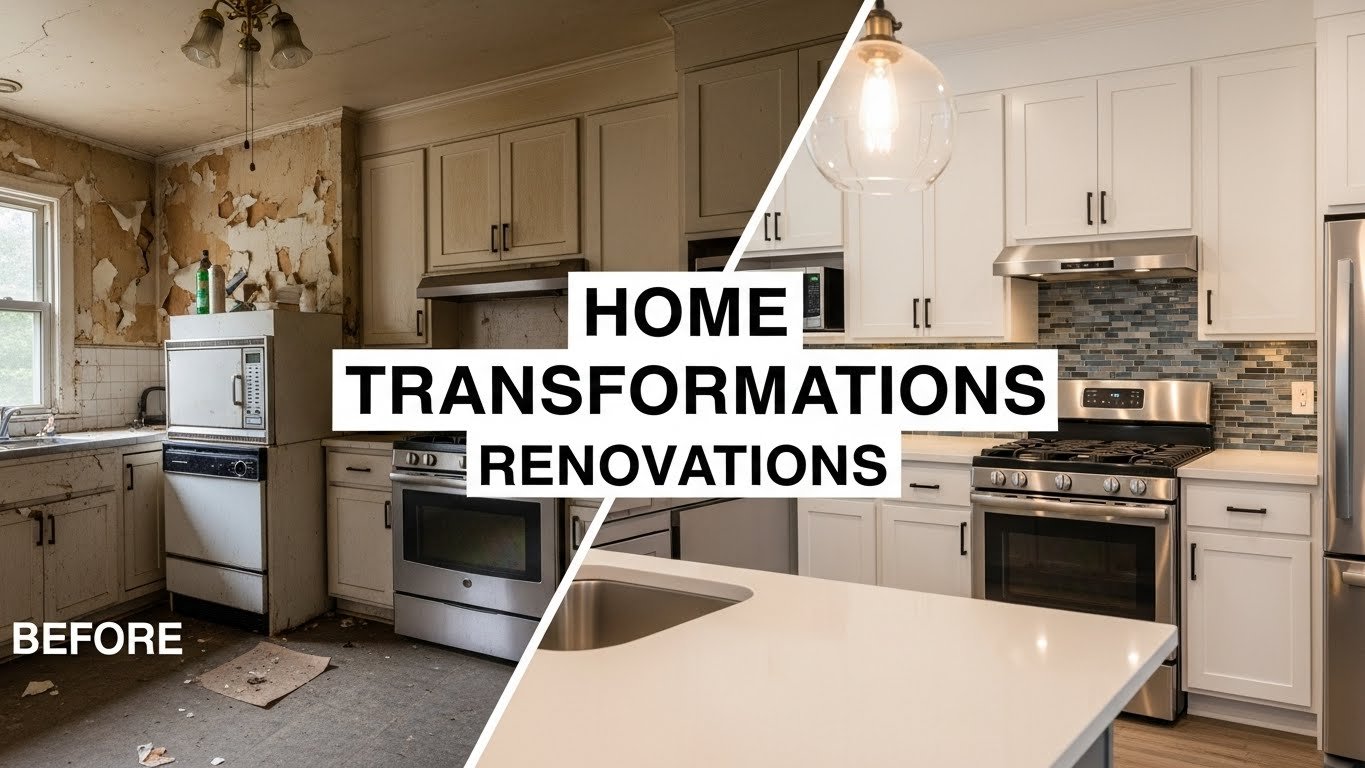
Renovations are more than a way to enhance the look of a home; they are an investment in comfort, functionality, and long-term value. Whether updating a single room or completely overhauling a property, renovations require careful planning, strategic budgeting, and a clear vision. This comprehensive guide explores the essential aspects of renovations, from the initial concept to final execution, helping homeowners and property owners achieve spaces that are both beautiful and practical.
Understanding the Importance of Renovations
Renovations serve multiple purposes. They improve the aesthetics of a home, increase its functionality, and, in many cases, boost market value. Over time, homes experience wear and tear, changing needs, and evolving design preferences. Renovations address these issues by modernizing spaces, enhancing comfort, and ensuring the property remains relevant to the lifestyles of its occupants.
Beyond personal satisfaction, renovations also offer financial benefits. Upgrading kitchens, bathrooms, or living spaces can significantly increase resale value, making properties more appealing to potential buyers. In addition, energy-efficient renovations can reduce utility costs, creating long-term savings and a more environmentally responsible home.
Planning Your Renovations
Successful renovations start with careful planning. Before purchasing materials or hiring contractors, homeowners must define the scope of the project. This begins with assessing current spaces to determine what needs improvement and what can remain unchanged. Establishing clear goals helps prioritize renovations that provide the greatest impact.
Budgeting is a critical component of planning. Renovations can quickly become expensive, especially if unforeseen challenges arise. Experts recommend setting aside 10–15% of the budget for unexpected costs, such as structural repairs or compliance updates. Budgeting should include costs for labor, materials, permits, and professional services, ensuring that the project remains financially manageable.
Once goals and budgets are clear, research design trends and materials that align with your vision. Collecting inspiration from magazines, online platforms, and home improvement resources allows homeowners to visualize the final outcome. During this stage, practical considerations such as durability, maintenance, and energy efficiency should also be evaluated.
Choosing the Right Professionals
While some renovations can be tackled as DIY projects, larger undertakings often require professional expertise. Architects, interior designers, and contractors bring technical knowledge and creative solutions to complex projects. Hiring professionals ensures that structural integrity, design cohesion, and safety standards are maintained.
When selecting contractors or designers, review credentials, experience, and references. Clear communication regarding timelines, costs, and project goals is essential. A detailed contract outlining responsibilities and deliverables protects both parties and minimizes potential conflicts during renovations.
Common Types of Renovations
Renovations vary depending on the needs and objectives of the property owner. Some common types include:
- Kitchen Renovations: The kitchen is often the heart of the home, making it a focal point for renovations. Modern kitchens may include updated cabinets, countertops, appliances, and lighting, with open-concept layouts becoming increasingly popular.
- Bathroom Renovations: Bathrooms are high-use areas that benefit from improvements such as new fixtures, enhanced storage, and updated tilework. Luxury features like walk-in showers, soaking tubs, and heated flooring can also be added during renovations.
- Basement or Attic Renovations: Transforming underutilized spaces adds functional square footage. Basements can become home theaters, gyms, or offices, while attics can serve as bedrooms or creative spaces.
- Exterior Renovations: Renovations extend beyond interiors. Updating roofs, siding, landscaping, and outdoor living spaces enhances curb appeal and protects the property from environmental damage.
- Energy-Efficient Renovations: Many homeowners now focus on sustainable improvements, such as installing solar panels, energy-efficient windows, and smart home systems. These renovations reduce energy consumption and utility costs.
Design Considerations for Renovations
Effective renovations combine functionality with aesthetics. Selecting a cohesive design style ensures that spaces feel intentional and harmonious. Popular trends include minimalist, contemporary, rustic, and eco-friendly designs.
Lighting is a critical element in any renovation. It influences the mood, highlights architectural features, and ensures usability in key areas. A combination of natural light, ambient lighting, task lighting, and accent lighting creates a balanced and visually appealing environment.
Storage solutions are also essential. Built-in shelving, multifunctional furniture, and innovative layouts help maintain organization without compromising style. Proper storage planning reduces clutter and improves overall functionality.
Choosing Materials for Renovations
The choice of materials affects durability, cost, and appearance. High-quality materials may require a higher initial investment but offer long-term benefits. For example, hardwood flooring, quartz countertops, and ceramic tiles are durable options that maintain their appeal over time.
Sustainable materials are increasingly popular in modern renovations. Bamboo, reclaimed wood, recycled glass, and low-VOC paints contribute to environmentally responsible living while enhancing indoor air quality. Balancing sustainability with aesthetics ensures renovations are both practical and stylish.
Managing the Renovation Process
Executing renovations requires careful management. Developing a timeline with milestones and deadlines helps maintain project flow. Proper project management ensures coordination between contractors, suppliers, and designers.
Effective communication is essential. Regular updates and site visits allow homeowners to address issues promptly and maintain quality control. While minor delays are common, flexibility and problem-solving reduce stress and keep projects on track.
Cost Management and Financing
Renovation costs vary widely based on project size, materials, and labor. Obtaining multiple quotes and reviewing detailed cost breakdowns ensures transparency and prevents budget overruns.
For homeowners with limited upfront funds, financing options such as personal loans, home equity lines of credit, or renovation-specific mortgages can help manage costs. Phasing non-essential renovations over time allows for improvements without straining finances.
Safety and Compliance in Renovations
Safety is a key concern during renovations. Structural modifications, electrical work, and plumbing require adherence to building codes and safety regulations. Licensed contractors and proper permits ensure that renovations are legal, safe, and compliant.
Older homes may present hazards such as asbestos, lead paint, or mold. Identifying and mitigating these risks is essential to protect workers and occupants during renovations.
Maximizing Value Through Renovations
Renovations should be strategic to maximize both comfort and property value. Upgrades that appeal to future buyers modern kitchens, updated bathrooms, open layouts, and energy-efficient features often provide the highest return on investment.
Curb appeal is equally important. Landscaping, exterior paint, and entryway improvements enhance first impressions and increase property desirability. Interior renovations that optimize space, natural light, and functionality attract potential buyers and improve resale potential.
Post-Renovation Care and Maintenance
After renovations are complete, inspecting the work is crucial to ensure quality and address minor issues promptly. Maintaining documentation such as receipts, warranties, and before-and-after photos is valuable for future reference or resale.
Regular maintenance is key to preserving renovated spaces. Timely cleaning, repairs, and seasonal upkeep help maintain beauty, functionality, and long-term value. Proper care ensures that renovations continue to provide comfort and efficiency for years.
Conclusion
Undertaking renovations is a transformative experience that enhances both the aesthetics and functionality of a home. From planning and design to execution and maintenance, every step requires careful consideration to ensure successful outcomes.
Strategic renovations improve comfort, increase property value, and create spaces tailored to individual needs. By choosing the right professionals, selecting durable and sustainable materials, and managing timelines and budgets effectively, homeowners can achieve results that are both visually appealing and practical.
Whether updating a single room or conducting a full-scale overhaul, the key to success lies in preparation, communication, and thoughtful execution. Investing in renovations is an investment in your quality of life, your property’s value, and the long-term enjoyment of your home.
In today’s evolving housing landscape, renovations provide the opportunity to blend functionality, style, and sustainability. Every improvement adds value, enhances comfort, and modernizes your living space. Professional planning, design, and execution ensure that your home not only meets your current needs but continues to do so in the future. Ultimately, renovations are more than a project; they are a pathway to creating a home that reflects your vision and improves your lifestyle.
By carefully considering each step, from initial assessment to post-renovation maintenance, homeowners can ensure that every investment in renovations yields lasting benefits. Thoughtful renovations transform homes into spaces that are safe, efficient, and aesthetically pleasing, creating environments that enhance daily living. Proper planning and execution of renovations guarantee a seamless, rewarding, and value-enhancing experience for years to come.