
 By Word Whimsy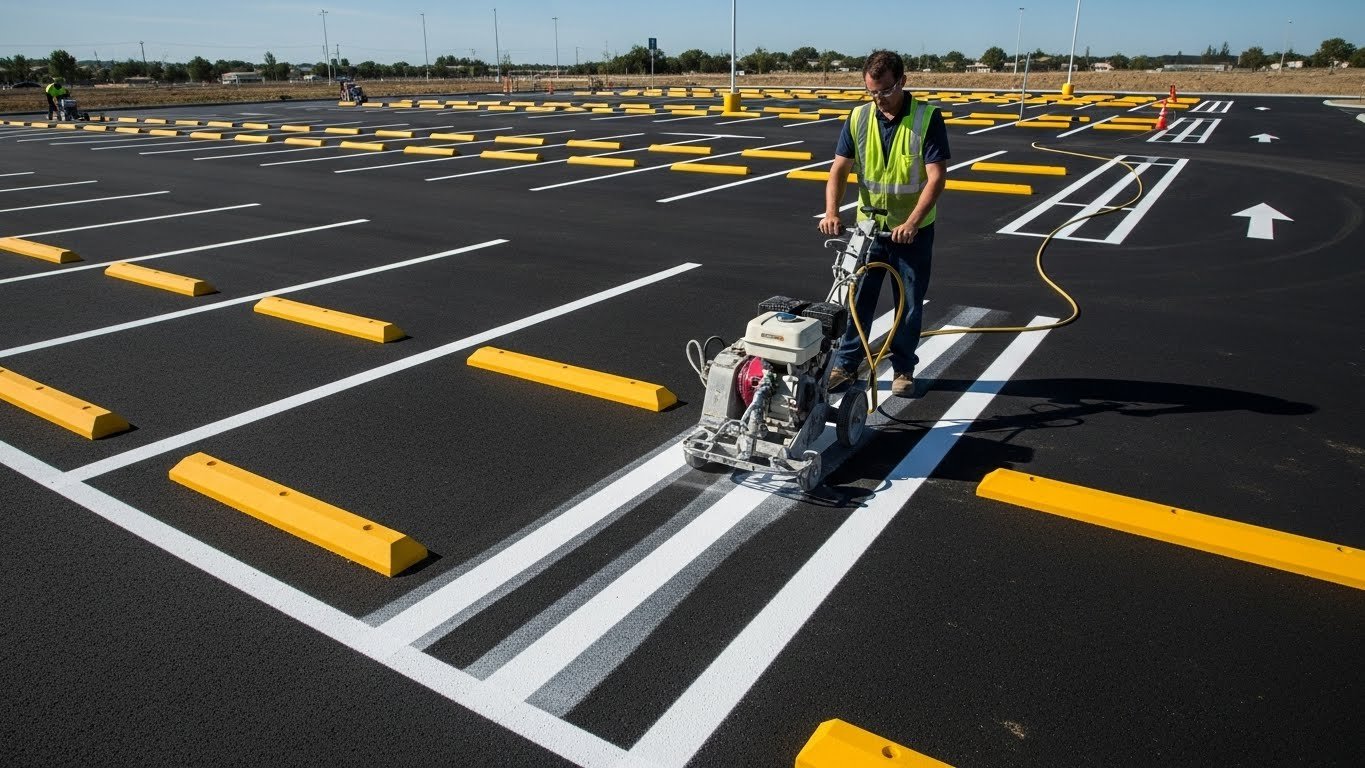
Clear pavement striping is one of the most important yet often overlooked elements of modern infrastructure. From parking lots and roadways to warehouses and commercial facilities, striping provides visual guidance that keeps people safe, traffic organized, and properties functioning efficiently. While lines on pavement may appear simple, their design, placement, and durability require expertise, precision, and an understanding of safety standards. This article explores the value of professional striping, the process behind it, materials used, long-term benefits, and why working with a qualified striping company is essential for lasting results.
A professional striping company does far more than apply paint to pavement. These specialists create systems of visual communication that influence behavior, reduce accidents, and improve overall usability. Proper striping supports safety, efficiency, and compliance while enhancing the appearance and value of a property.
Understanding the Purpose of Pavement Striping
Pavement striping is the application of lines, symbols, and markings on paved surfaces to guide drivers and pedestrians. These markings communicate rules, directions, and warnings without the need for words. Lane lines, parking stalls, arrows, crosswalks, and safety zones all rely on striping to function effectively.
The primary purpose of striping is clarity. When people clearly understand where to drive, park, walk, or stop, confusion is reduced and behavior becomes more predictable. Predictable movement is the foundation of safety in any traffic environment.
In commercial and private settings, striping also improves efficiency. Well-marked areas maximize available space, streamline traffic flow, and reduce congestion. Whether in a parking facility or an industrial yard, effective striping supports smooth daily operations.
Why Professional Striping Matters
Professional striping is about accuracy, durability, and compliance. A qualified striping company evaluates each surface, traffic pattern, and usage level before beginning work. This ensures that markings are placed correctly, remain visible, and meet established safety standards.
Surface preparation is a critical step that is often underestimated. Pavement must be clean, dry, and free of debris or oils to ensure proper adhesion. Without proper preparation, even high-quality materials can fail prematurely.
Layout and measurement also require precision. Uneven spacing, crooked lines, or poorly placed markings can confuse users and reduce effectiveness. Professionals use specialized tools and techniques to ensure consistency and accuracy throughout the project.
Materials Used in Striping Applications
The performance of pavement striping depends heavily on the materials used. Different environments and traffic volumes require different solutions. Common striping materials include water-based paint, solvent-based paint, thermoplastic, and epoxy coatings.
Water-based paints are commonly used for their environmental friendliness and quick drying time. They are suitable for areas with lighter traffic or where frequent updates are expected. Solvent-based paints offer improved durability in certain conditions but must be applied carefully.
Thermoplastic striping is known for its long lifespan and high visibility. Applied using heat, it bonds strongly to pavement and often includes reflective elements for nighttime visibility. Epoxy materials provide exceptional durability and resistance to wear, making them ideal for high-traffic or industrial environments.
Selecting the right material ensures markings remain visible and effective over time, reducing the need for frequent reapplication.
Enhancing Safety Through Clear Striping
Safety is the most important benefit of professional striping. Clear, visible markings reduce uncertainty and help prevent accidents. In parking areas, well-defined spaces and directional arrows reduce collisions and improve traffic flow.
Pedestrian safety is also greatly enhanced through striping. Crosswalks, stop bars, and warning symbols alert drivers to pedestrian zones and encourage caution. High-contrast markings improve visibility in both daylight and low-light conditions.
In industrial and commercial facilities, safety striping identifies walkways, hazard zones, loading areas, and restricted spaces. These markings help protect workers and visitors while supporting compliance with safety protocols.
Striping for Parking Facilities
Parking facilities are among the most common environments requiring professional striping. Properly striped parking lots improve organization, maximize space, and enhance user experience. Faded or poorly marked lots can lead to inefficient parking, congestion, and increased risk of accidents.
Professional striping ensures consistent stall sizes, proper alignment, and clear directional flow. Accessible parking spaces, fire lanes, and loading zones must be clearly marked to meet safety and accessibility standards.
Regular restriping keeps parking areas functional and visually appealing. Fresh markings signal that a property is well-maintained and managed with attention to safety and detail.
Supporting Traffic Flow and Efficiency
Beyond safety, striping plays a vital role in traffic efficiency. Clear lane markings, turn arrows, and entry points help vehicles move smoothly and reduce bottlenecks. Efficient traffic flow minimizes delays and frustration, especially in high-use areas.
In service and loading zones, striping designates specific areas for deliveries and operations. This organization reduces conflicts between vehicles and pedestrians while supporting smoother workflows.
Emergency access routes also rely on clear striping. Fire lanes and emergency zones must remain visible and unobstructed to ensure quick response when needed.
Compliance With Standards and Best Practices
Pavement striping must meet established standards to be effective and compliant. These standards define colors, widths, spacing, and placement to ensure consistency and clarity. Compliance reduces liability and demonstrates a commitment to safety.
A professional striping company stays informed about industry standards and best practices. This knowledge ensures markings are applied correctly and perform as intended across different environments.
For properties open to the public, proper striping is especially important. Clear markings help meet safety obligations and reduce the risk of accidents or disputes.
Durability and Maintenance Considerations
Striping is exposed to constant wear from vehicles, weather, and environmental conditions. Sun exposure, rain, temperature changes, and traffic all contribute to fading and deterioration over time.
Professional services consider these factors when selecting materials and application methods. High-traffic areas may require more durable solutions, while lower-use areas can benefit from cost-effective options.
Routine inspections help identify when restriping is needed. Addressing fading early maintains visibility and prevents confusion. Investing in quality materials and professional application reduces long-term maintenance costs.
Environmental and Efficiency Considerations
Modern striping practices increasingly focus on environmental responsibility. Low-VOC paints and longer-lasting materials reduce environmental impact while maintaining performance.
Efficient application methods minimize waste and disruption. Professional crews plan projects carefully to complete work quickly and safely, reducing downtime for facilities.
By choosing durable solutions, property owners reduce the frequency of reapplication, conserving resources and lowering overall costs.
Choosing the Right Striping Partner
Selecting the right service provider is critical to achieving quality results. Experience, equipment, material knowledge, and attention to detail all influence the outcome of a project.
A reputable striping company evaluates site conditions, understands client needs, and recommends appropriate solutions. Clear communication and detailed planning ensure expectations are met and results are consistent.
Working with professionals provides confidence that striping will be applied accurately, comply with standards, and perform reliably over time.
Long-Term Value of Professional Striping
Professional striping delivers value far beyond appearance. Improved safety, better traffic flow, reduced liability, and enhanced property value all contribute to long-term returns.
Clear, durable markings reduce accidents and confusion, protecting people and property. They also create a more organized and professional environment that reflects positively on property owners and managers.
When quality materials, proper planning, and expert application come together, striping becomes a long-term asset rather than a recurring issue.
Conclusion
Pavement striping is a critical component of safe, efficient, and well-organized environments. While it may appear straightforward, effective striping requires professional expertise, careful planning, and high-quality materials delivered by a trusted striping company with experience in precision application. From parking facilities and pedestrian areas to industrial and commercial spaces, well-executed striping provides clarity, safety, and long-term durability. Partnering with an experienced professional ensures markings meet industry standards, withstand daily wear, and continue to perform over time. When approached with skill and attention to detail, striping becomes more than lines on pavement; it becomes a foundation for safety, efficiency, and lasting success.