
 By Word Whimsy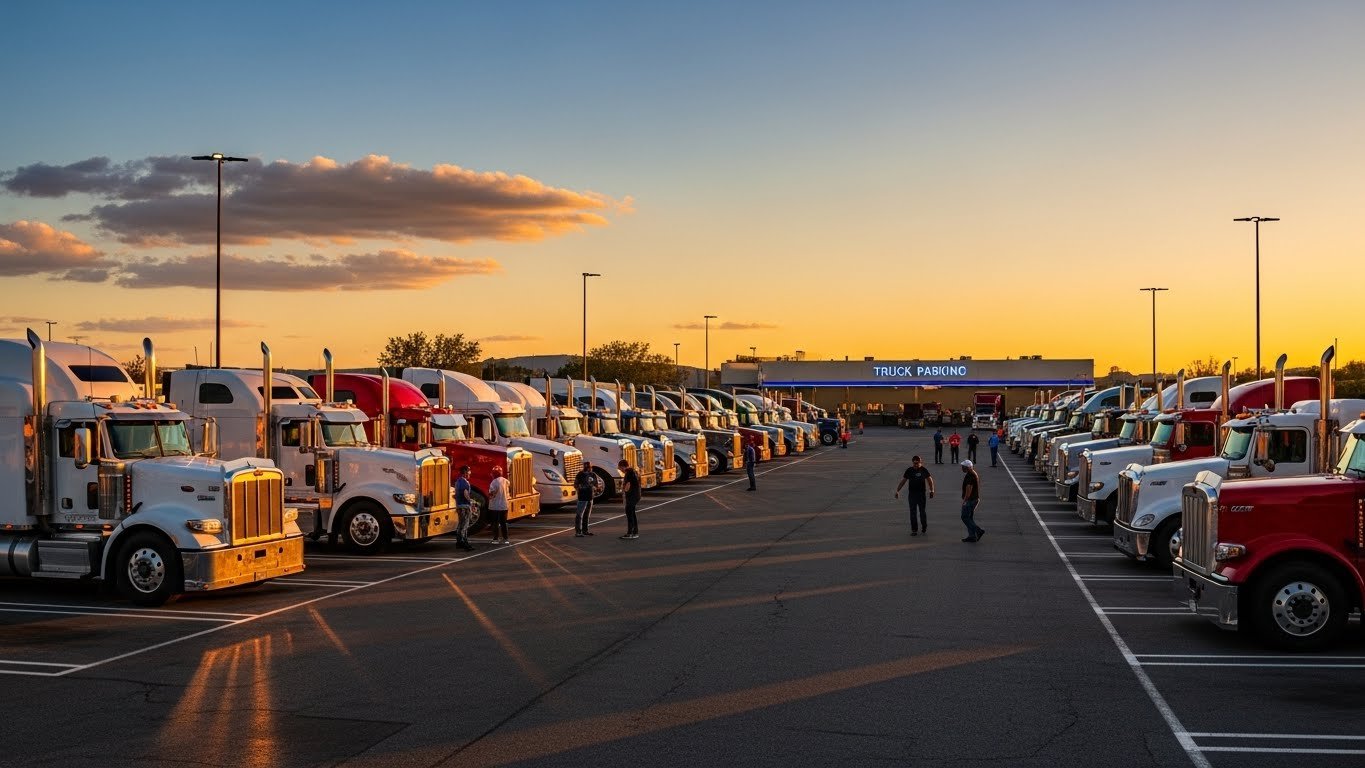
In the logistics and transportation industry, truck parking is far more than a convenience—it is a critical element of operational efficiency, driver safety, and regulatory compliance. As freight volumes increase and roadways become more congested, secure and accessible parking for trucks has become a major challenge. Proper truck parking ensures that drivers can rest safely, cargo is protected, and the flow of goods continues without unnecessary delays or hazards.
Truck parking is a multifaceted concept that includes not just available space but also safety, amenities, accessibility, and compliance with regulations. For fleet operators, independent drivers, and logistics planners, understanding how to effectively manage truck parking is essential for maximizing efficiency and maintaining safety on the road.
The Scope of Truck Parking
Truck parking encompasses a variety of facilities designed to accommodate large commercial vehicles. These include public rest areas, truck stops, private lots, warehouse yards, and dedicated commercial parking facilities. Each type of facility serves different needs, from short-term stops to long-term storage for fleet vehicles.
Beyond simply parking the truck, these areas provide drivers with the resources they need, such as restrooms, food, fueling stations, and sometimes maintenance services. The availability of these facilities directly impacts driver productivity, safety, and compliance with Hours of Service (HOS) regulations. Inadequate parking can lead to unsafe practices, such as parking on shoulders or unauthorized areas, which increase risks for drivers and other motorists.
Safety Implications of Truck Parking
Safety is one of the most critical aspects of truck parking. Fatigued driving is a leading cause of accidents in the trucking industry, and proper parking provides drivers with a safe location to rest. Illegal or unsafe parking can result in accidents, cargo theft, or vehicle damage, putting both drivers and the public at risk.
Well-designed truck parking facilities reduce these hazards by providing adequate spacing, clear markings, lighting, and security measures. Surveillance systems and monitored lots further protect vehicles and cargo, ensuring drivers can rest without worry. Proper parking practices also prevent obstruction of traffic, protecting both truck operators and other road users.
Regulatory Considerations
Truck parking is closely tied to regulations that govern commercial driving. The Federal Motor Carrier Safety Administration (FMCSA) and other regulatory agencies mandate rest periods to prevent driver fatigue. These Hours of Service (HOS) regulations require drivers to take breaks at specified intervals, making reliable truck parking critical for compliance.
Fleet operators and independent drivers must plan routes and stops with these regulations in mind. Failure to access proper parking may force drivers to continue driving while fatigued, which is both illegal and dangerous. As a result, the availability of safe and compliant truck parking is a key factor in operational planning.
Essential Features of Effective Truck Parking
High-quality truck parking involves much more than just open space. Key features that contribute to effective parking include:
- Ample Space and Maneuverability – Trucks require wide lanes and turning areas to safely enter, park, and exit.
- Safety and Security – Proper lighting, fencing, and surveillance reduce risks of accidents and theft.
- Accessibility – Convenient locations near major highways, logistics hubs, and service areas improve efficiency.
- Driver Amenities – Facilities such as restrooms, showers, dining options, and lounges enhance driver comfort.
- Maintenance and Pavement Quality – Durable surfaces with clear markings prevent accidents and reduce vehicle wear.
When these elements are properly integrated, truck parking becomes a reliable resource that improves safety, efficiency, and driver satisfaction.
Economic and Operational Benefits
Effective truck parking provides significant economic and operational advantages. Time spent searching for legal parking is time lost in delivery schedules, which can reduce overall efficiency and increase fuel costs. Secure and convenient parking locations streamline route planning, reducing travel time and operational expenses.
For fleet operators, reliable truck parking reduces the risk of fines and compliance violations, while also protecting vehicles from damage or theft. Investments in high-quality parking facilities can also increase property value and generate revenue if offered as commercial lots or leased spaces.
Planning and Strategic Considerations
Proper planning is essential for optimizing truck parking. Key factors include proximity to major highways, traffic flow, peak usage times, and access to fuel, maintenance, and amenities. Urban areas with high freight traffic often face shortages, making strategic planning even more critical.
Technology plays a growing role in planning and management. GPS systems, real-time occupancy apps, and route planning software help drivers locate available parking and avoid congestion. These tools also allow fleet managers to monitor parking usage and plan routes more effectively, reducing operational delays.
Environmental and Sustainability Impacts
Truck parking facilities can be designed to minimize environmental impact. Features like permeable pavements, stormwater management systems, and energy-efficient lighting reduce ecological footprints. Encouraging drivers to park in designated areas also prevents environmental damage caused by illegal parking on green spaces or road shoulders.
Sustainable design benefits both operators and local communities, promoting long-term viability of parking infrastructure while reducing maintenance costs and environmental hazards. This creates a win-win scenario for businesses, drivers, and the environment.
Challenges in Truck Parking
Despite its importance, truck parking faces several challenges. Limited space, increasing freight volumes, and urban congestion have created a shortage of safe parking options. Drivers may be forced to park in unauthorized areas, increasing the risk of accidents, fines, or theft.
Addressing these challenges requires coordinated efforts among governments, logistics companies, and infrastructure developers. Solutions include expanding existing facilities, developing new parking lots, implementing technology-driven management, and planning for peak demand. Collaboration ensures that truck parking meets the needs of both drivers and the transportation industry.
The Role of Technology in Modern Truck Parking
Technology has transformed truck parking management. Mobile apps, GPS tracking, and reservation systems allow drivers to locate available spaces quickly. Real-time data on occupancy, security, and amenities improves decision-making and reduces stress for drivers.
In addition, technology helps operators optimize usage of parking facilities. Analytics can predict peak times, identify bottlenecks, and inform expansion plans. By leveraging technology, both drivers and fleet managers can maximize efficiency and minimize disruptions.
Long-Term Planning and Future Outlook
As freight demand continues to grow, truck parking infrastructure must evolve to keep pace. Future solutions may include multi-level parking structures, automated entry systems, and strategically placed private lots near logistics hubs. Planning for scalability ensures that parking facilities can accommodate future growth and maintain operational efficiency.
Long-term planning also involves collaboration between regulatory authorities, urban planners, and the logistics industry. Integrating truck parking into broader transportation networks ensures that facilities are safe, accessible, and sustainable for years to come.
Conclusion: Truck Parking as a Critical Component of Transportation
Truck parking is an essential element of modern logistics and transportation. It ensures driver safety, regulatory compliance, operational efficiency, and cargo protection. Properly designed and strategically located facilities reduce accidents, improve route efficiency, and enhance driver well-being.
Investing in quality truck parking infrastructure benefits drivers, fleet operators, and the broader transportation ecosystem. As demand for freight continues to grow, truck parking will remain a critical priority for safety, efficiency, and long-term sustainability. By combining strategic planning, technology, and professional management, truck parking can meet the challenges of today while preparing for the needs of tomorrow.
 Saman Zahra